Latest Post

deterring loose dogs, dog training

Unfortunately, we seem to be in a time when very few dogs are receiving the socialization or training they need to be good companions and good canine citizens.

I see a lot of dogs that are reactive to a large majority of situations.

And, I see a lot of dogs that are severely dog aggressive.

Tips on Stopping a Loose Dog from Approaching You

Ironically, I had a horrible experience in my own yard just the other day.

My brother’s dogs were outside in the back yard. I was getting ready to go to the gym, but I knew my girl Fury needed to go out, so I let her out in our front yard.

She had her two front paws on our deck, and her two back paws in the grass, squatting to pee when I heard the neighbor dog growl, as he dug his nails into the cement of the driveway to come and attack my dog.

As he did so, I could hear the neighbor lady yelling about how he is really a friendly dog.

Luckily, 25+ years as a professional dog trainer and over 15 as a veterinary technician has given me some quick reflexes, and thankfully my dog was within arm’s length.

I grabbed her by her scruff (she is 60 pounds), opened the door, and threw her inside, simply by instinct.

He came at us so fast I had to shut him in my own front door to get him to back away.

It was terrifying!

And, although I thought I already knew a lot about deterring loose dogs, I learned even more from this experience.

Although I yelled at the owner to get the dog, and then at the dog, and stomped toward him, he was hell-bent on attacking my dog.

Had I not intervened so quickly and been able to get her inside, there would have been a horrible dog fight.

Even after shutting him out for a few moments, when I went to exit the front door he was still there trying to get inside.

He literally would have come into my house and attacked my dog!

He could have killed my dog.

It was at that moment that I decided to always be prepared.

I would do anything for my dog.

I would have even been willing to commit violence on her behalf.

Be Prepared

I have become nervous about walking my dogs in neighborhoods.

But I never thought I had to fear for them in my yard, or that a dog would come into my house.

My first line of defense has always been to put my dogs in a “down stay” so that I can stomp at and yell at the charging dog, as well as yelling for the owner.

deterring loose dogs, dog trainingMy second line of defense has always been pepper spray.

Yes, I would have pepper sprayed them both if I had to; it is better than having a dead dog.

I will also be walking with a weapon.

I hate to say it, but I would use one if I had to, to save my dog’s life.

You must be mentally prepared to deal with the situation.

I will also never leave without carrying my phone. I have often been on walks around the neighborhood without my phone.

I realize I may need it to call the police.

The Best Defense?

Beyond all that, which is critically important, what is THE best defense?

Well behaved dogs.

If my dog had been at all dog aggressive or reactive, or if I hadn’t been able to control her, I would have lost the war.

The fact that my dog listened and respected me is a key piece in saving her life that day.

I can try to control or deter the other dog, but the truth is that the only dog I have control over is my own.

And, two dogs that are dog aggressive or dog reactive are going to have a much, much worse fight!

Keep your dog on a leash and near you.

If your dog is off leash and far away from you, you have no control.

Leashes are a blessing.

Leashes keep dogs safe.

Leashes save lives.

If there is an altercation, you don’t want to have the dog that was off leash, because being off leash in most places is illegal.

It is sad to admit, but we live in a different world than we did just 15 years ago.

You must prepare to deal with the dogs of today and the problems they have, and not be in denial.

Behavior gives us a lot of information (despite what owners say). Use that information to prepare yourself!WC ad 1


via Whisker Therapy

All dogs have their strengths and weaknesses. While some pups glide through the water as gracefully and effortlessly as Michael Phelps, others flounder (pun definitely intended).

The breeds on this list may still be able to enjoy the water, but they should definitely do so while wearing a life vest!

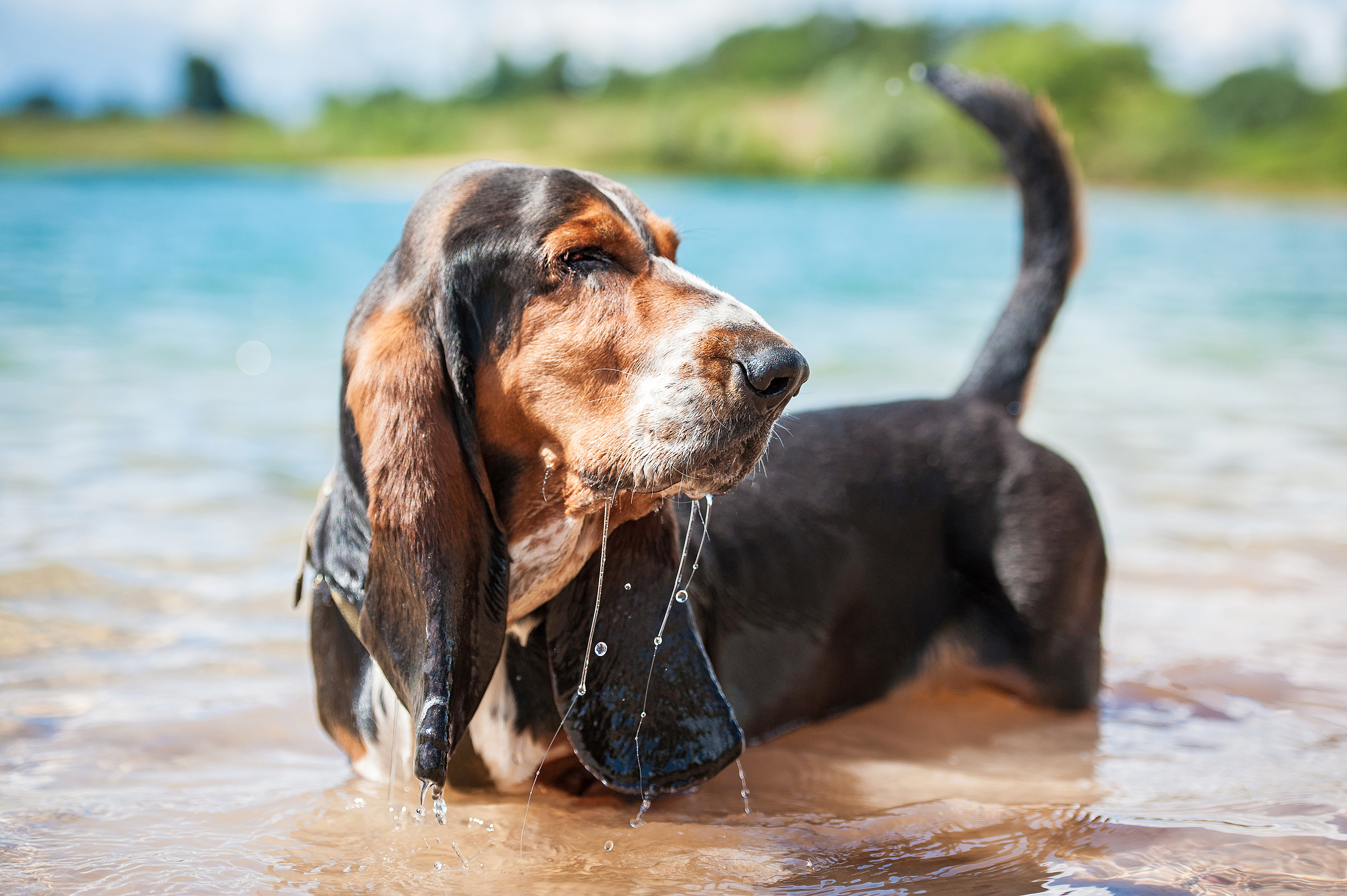
1. Basset Hound

These sad-looking hounds have large heads, dense bone structure, long, thick torsos and disproportionately short legs, making swimming very difficult. In addition to their non-buoyant bodies, Bassets also have long, floppy ears that trap water and provide the perfect environment for infection-causing yeast and bacteria.

While they love to play and can be quite agile on dry land, Basset Hounds simply aren’t built for water sports!


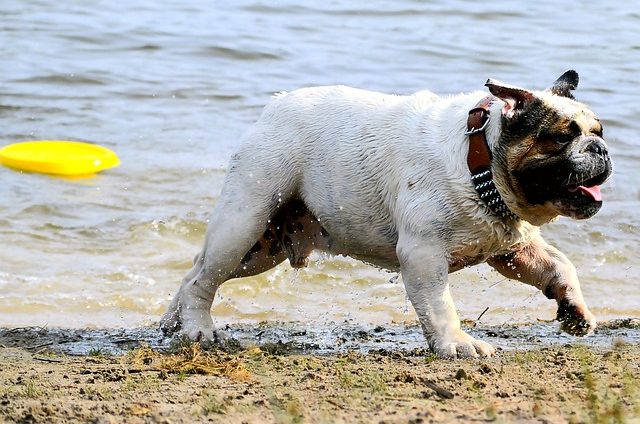
2. Bulldog

Don’t let all those videos of surfing Bulldogs fool you! These guys have excellent balance, but their huge heads, deep chests, dense bodies, and short legs make it difficult to stay afloat unaided. In addition, Bulldogs are brachycephalic, and prone to breathing difficulties – especially during exercise. Hot weather, overexertion and water inhalation can all cause major problems for these short-nosed pups.

If you would like your Bulldog to join you at the beach or by the pool, make sure he wears a life vest and is monitored closely for signs of distress.


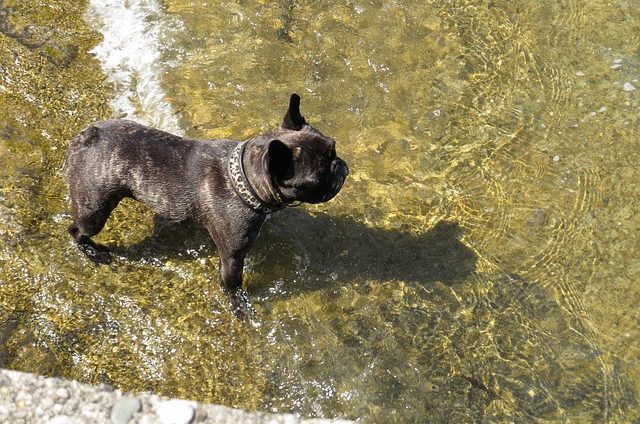
3. French Bulldog

Frenchies have all the same physical limitations of their English Bulldog cousins, albeit to a lesser extent. Although they are slightly better equipped for the doggy paddle, they too should be closely monitored and have access to a flotation device.


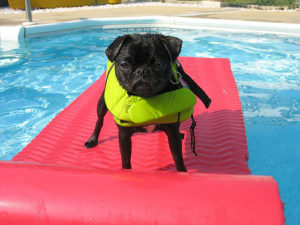
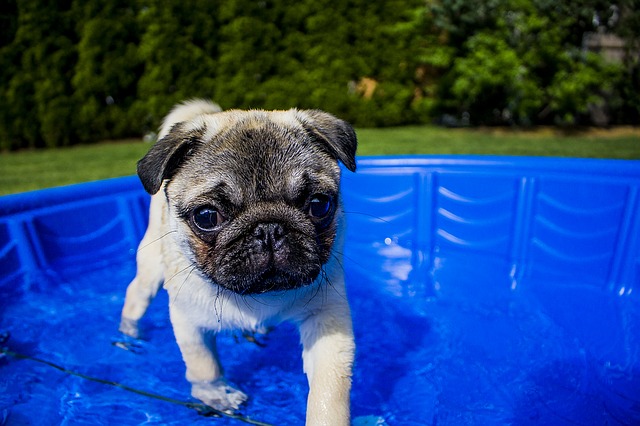
4. Pug

Built like a tiny Bulldog, the Pug has all the same body traits, which means he is not built for swimming either. Another brachycephalic breed, the Pug has a short snout, narrow nostrils and an elongated soft palate that can block the airway during exercise or excitement.

These respiratory problems make swimming difficult, but Pugs and other brachycephalic breeds face yet another challenge in the water. Because their faces are flat, they must tilt their heads far back to ensure their noses and mouths stay above the water line. This causes their body to become vertical rather than horizontal, meaning they must paddle even harder to keep from sinking.

If your Pug will be joining you poolside, a life vest is a must!


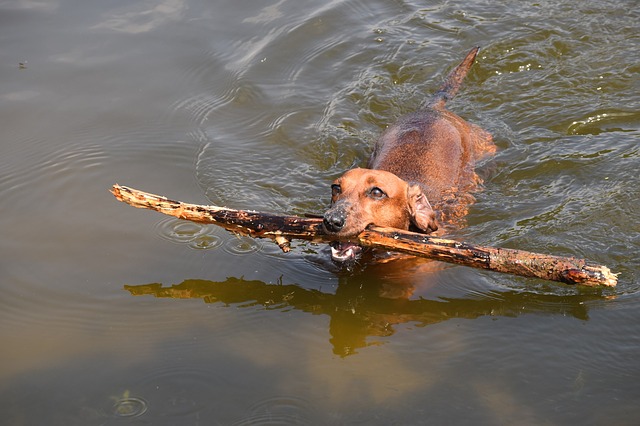
5. Daschund

These sassy little hot-dogs are remarkable athletes on land, but their skills do not transfer to the water. Doxies are relatively lightweight with longer muzzles, so they do not face the respiratory issues that affect Brachycephalic breeds.

However, their long bodies and short legs mean that Dachshunds must work extremely hard and exhaust quite quickly when swimming. This poor endurance combined with their short stature makes drowning a very real risk – even in shallow water.

Since Doxies love to run and jump, why not try a yard sprinkler to keep your hot-dog safe, cool and happy this summer?


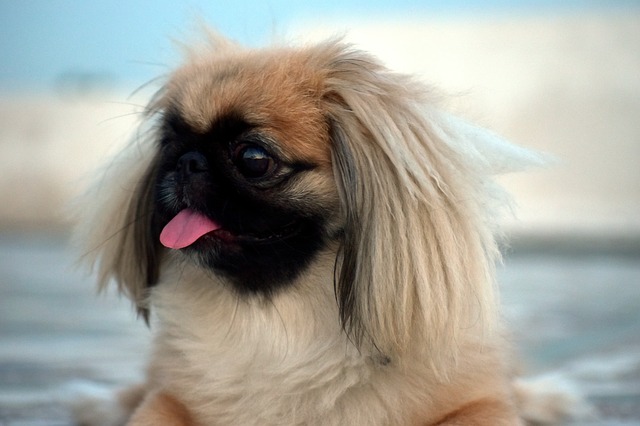
6. Pekingese

This poor little pooch has a flat, brachycephalic facial structure and short legs, making unaided swimming extremely risky. In addition, Pekingese are not particularly strong, muscular or athletic and tire quickly during exercise.

Should you decide to bring your Peke along for a day at the beach or pool, be hyper-vigilant! Provide plenty of shade and fresh drinking water to stave off heat stroke, monitor him closely to prevent over-exertion or falls into the deep end, and of course, fit your pooch with a life vest!


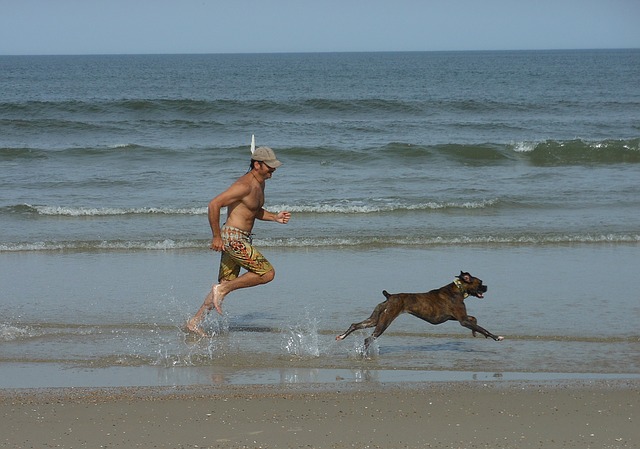
7. Boxer

With their long legs and powerfully muscled bodies, Boxers may look like natural born swimmers, but they are predisposed to many of the same respiratory problems as their smaller, flat-faced cousins. This breed is considered brachycephalic, so they may struggle to keep their noses and mouths above water or face respiratory distress and over-exertion if left to swim for too long.

The good news is, Boxers love to run and splash in the shallows, so a kiddie pool, a sprinkler or a game of fetch along the shore should keep them happy!


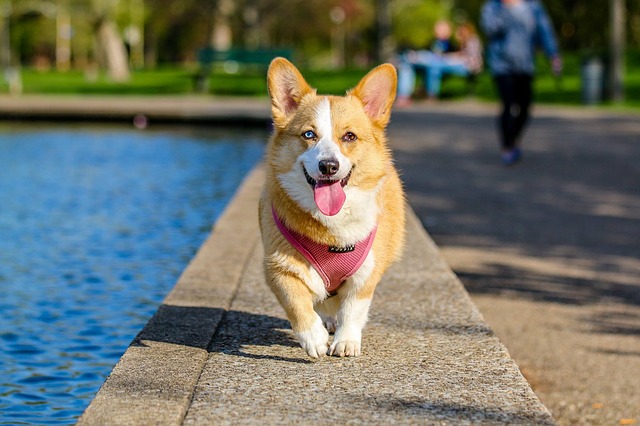
8. Pembroke Welsh Corgi

Corgis may be short and stout, but they are also very athletic and powerful – on land, that is! Originally bred to herd sheep and cattle, these confident little dogs may think they have what it takes to stay afloat. However, their dense, barrel-shaped bodies and short legs are just not cut out for water sports.

Your Corgi can still enjoy splashing in the shallows, wading in a kiddie pool, or sniffing the sea air from the safety of your boat – while wearing a life vest, of course!


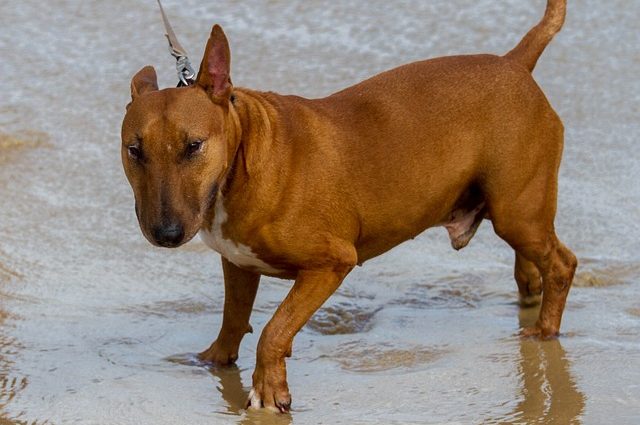
9. Bull Terrier

The athletic, fun-loving Bull Terrier is up for anything! Unfortunately his dense, solidly muscled body paired with his short legs can make swimming a challenge.

In addition, the Bull Terrier has a large, heavy head that tends to be disproportionate to his body, making it difficult to hold above water as he paddles.


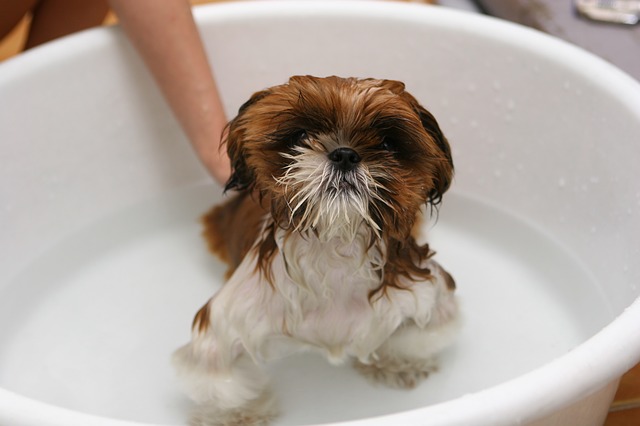
10. Shih Tzu

Not only are Shih Tzus short-legged and flat-faced, they also have thick, dense coats that can weigh them down in the water or cover their face, making breathing harder. Since they are not cut out for swimming, these little dogs may panic in the water, increasing their risk of drowning.

Do not force your Shih Tzu to join you in the pool, but if he or she is interested, be sure to use a life vest and watch closely for signs of distress.


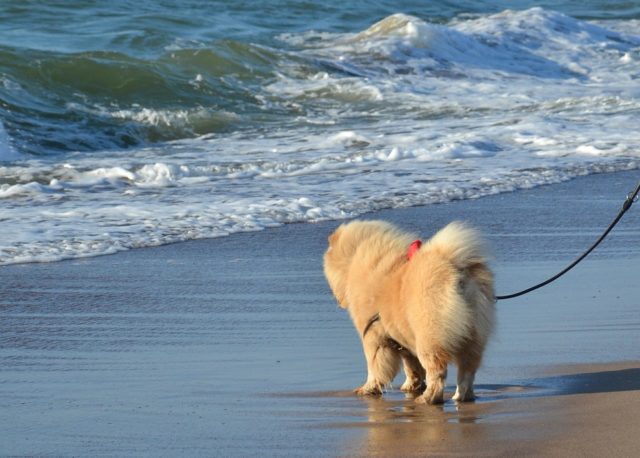
11. Chow Chow

The poor Chow has just about every challenging feature on this list! With his thick, dense coat, deep chest, short legs and flattened muzzle, the Chow is prone to over-exertion, respiratory distress and water-logging.

Add in their notoriously stubborn nature and you have a potential seaside disaster!


12. Shar Pei

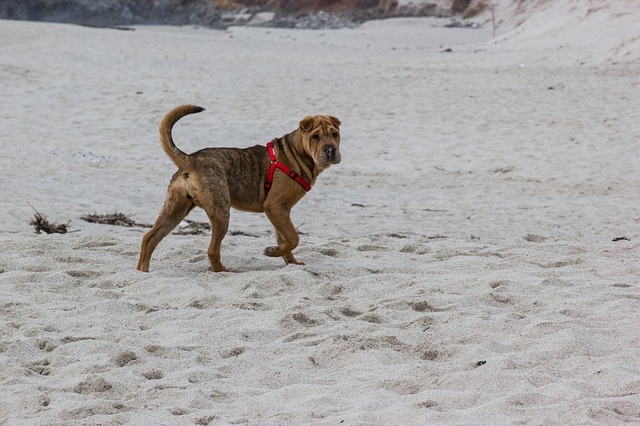
Shar Peis have shorter muzzles, narrowed nostrils and may even suffer from Brachycephalic Airway Syndrome. In addition to their potentially serious respiratory problems, their wrinkly skin and short, tight ears trap moisture and are notoriously prone to infections. Romping in the sand is a much safer choice for these pups!

If you do not see your dog’s breed on this list, it does not necessarily mean swimming is safe for them. There are several water-related hazards that can affect even the most buoyant pups. Large waves, powerful currents, aquatic creatures, hot sand, sharp shells and pool chemicals can all pose a threat. There is also the risk of water intoxication, heat stroke and sheer exhaustion.

Senior dogs and those with physical limitations or disabilities are especially susceptible to water emergencies. Plan carefully before including your pooch in your pool or beachside activities!


Featured Image via Flickr/nikoretro


via Whisker Therapy

All dogs have their strengths and weaknesses. While some pups glide through the water as gracefully and effortlessly as Michael Phelps, others flounder (pun definitely intended).

The breeds on this list may still be able to enjoy the water, but they should definitely do so while wearing a life vest!

1. Basset Hound

These sad-looking hounds have large heads, dense bone structure, long, thick torsos and disproportionately short legs, making swimming very difficult. In addition to their non-buoyant bodies, Bassets also have long, floppy ears that trap water and provide the perfect environment for infection-causing yeast and bacteria.

While they love to play and can be quite agile on dry land, Basset Hounds simply aren’t built for water sports!


2. Bulldog

Don’t let all those videos of surfing Bulldogs fool you! These guys have excellent balance, but their huge heads, deep chests, dense bodies, and short legs make it difficult to stay afloat unaided. In addition, Bulldogs are brachycephalic, and prone to breathing difficulties – especially during exercise. Hot weather, overexertion and water inhalation can all cause major problems for these short-nosed pups.

If you would like your Bulldog to join you at the beach or by the pool, make sure he wears a life vest and is monitored closely for signs of distress.


3. French Bulldog

Frenchies have all the same physical limitations of their English Bulldog cousins, albeit to a lesser extent. Although they are slightly better equipped for the doggy paddle, they too should be closely monitored and have access to a flotation device.


4. Pug

Built like a tiny Bulldog, the Pug has all the same body traits, which means he is not built for swimming either. Another brachycephalic breed, the Pug has a short snout, narrow nostrils and an elongated soft palate that can block the airway during exercise or excitement.

These respiratory problems make swimming difficult, but Pugs and other brachycephalic breeds face yet another challenge in the water. Because their faces are flat, they must tilt their heads far back to ensure their noses and mouths stay above the water line. This causes their body to become vertical rather than horizontal, meaning they must paddle even harder to keep from sinking.

If your Pug will be joining you poolside, a life vest is a must!


5. Daschund

These sassy little hot-dogs are remarkable athletes on land, but their skills do not transfer to the water. Doxies are relatively lightweight with longer muzzles, so they do not face the respiratory issues that affect Brachycephalic breeds.

However, their long bodies and short legs mean that Dachshunds must work extremely hard and exhaust quite quickly when swimming. This poor endurance combined with their short stature makes drowning a very real risk – even in shallow water.

Since Doxies love to run and jump, why not try a yard sprinkler to keep your hot-dog safe, cool and happy this summer?


6. Pekingese

This poor little pooch has a flat, brachycephalic facial structure and short legs, making unaided swimming extremely risky. In addition, Pekingese are not particularly strong, muscular or athletic and tire quickly during exercise.

Should you decide to bring your Peke along for a day at the beach or pool, be hyper-vigilant! Provide plenty of shade and fresh drinking water to stave off heat stroke, monitor him closely to prevent over-exertion or falls into the deep end, and of course, fit your pooch with a life vest!


7. Boxer

With their long legs and powerfully muscled bodies, Boxers may look like natural born swimmers, but they are predisposed to many of the same respiratory problems as their smaller, flat-faced cousins. This breed is considered brachycephalic, so they may struggle to keep their noses and mouths above water or face respiratory distress and over-exertion if left to swim for too long.

The good news is, Boxers love to run and splash in the shallows, so a kiddie pool, a sprinkler or a game of fetch along the shore should keep them happy!


8. Pembroke Welsh Corgi

Corgis may be short and stout, but they are also very athletic and powerful – on land, that is! Originally bred to herd sheep and cattle, these confident little dogs may think they have what it takes to stay afloat. However, their dense, barrel-shaped bodies and short legs are just not cut out for water sports.

Your Corgi can still enjoy splashing in the shallows, wading in a kiddie pool, or sniffing the sea air from the safety of your boat – while wearing a life vest, of course!


9. Bull Terrier

The athletic, fun-loving Bull Terrier is up for anything! Unfortunately his dense, solidly muscled body paired with his short legs can make swimming a challenge.

In addition, the Bull Terrier has a large, heavy head that tends to be disproportionate to his body, making it difficult to hold above water as he paddles.


10. Shih Tzu

Not only are Shih Tzus short-legged and flat-faced, they also have thick, dense coats that can weigh them down in the water or cover their face, making breathing harder. Since they are not cut out for swimming, these little dogs may panic in the water, increasing their risk of drowning.

Do not force your Shih Tzu to join you in the pool, but if he or she is interested, be sure to use a life vest and watch closely for signs of distress.


11. Chow Chow

The poor Chow has just about every challenging feature on this list! With his thick, dense coat, deep chest, short legs and flattened muzzle, the Chow is prone to over-exertion, respiratory distress and water-logging.

Add in their notoriously stubborn nature and you have a potential seaside disaster!


12. Shar Pei

Shar Peis have shorter muzzles, narrowed nostrils and may even suffer from Brachycephalic Airway Syndrome. In addition to their potentially serious respiratory problems, their wrinkly skin and short, tight ears trap moisture and are notoriously prone to infections. Romping in the sand is a much safer choice for these pups!

If you do not see your dog’s breed on this list, it does not necessarily mean swimming is safe for them. There are several water-related hazards that can affect even the most buoyant pups. Large waves, powerful currents, aquatic creatures, hot sand, sharp shells and pool chemicals can all pose a threat. There is also the risk of water intoxication, heat stroke and sheer exhaustion.

Senior dogs and those with physical limitations or disabilities are especially susceptible to water emergencies. Plan carefully before including your pooch in your pool or beachside activities!


Featured Image via Flickr/nikoretro


via Whisker Therapy

10-year-old Yellow Labrador, Fred is the resident dog at beautiful Mountfitchet Castle in Stansted, Essex, UK.

He spends his days strolling the grounds, wading in the moat, and accepting belly rubs from castle visitors – or he did until nine fuzzy ducklings came into his life!

Castle staff noticed the baby birds waddling around the grounds alone last Thursday, their mother nowhere to be found. But all concern for the ducklings’ safety quickly fell away when Fred stepped up to foster the orphans.

The dog’s owner, Jeremy Goldsmith said:

“We brought the ducklings into the house as they are too young to fend for themselves, and Fred just took them under his paw – rather than his wing.”

A short video of Fred and the adorable foudlings quickly took the internet by storm, making the senior pooch an overnight star.

According to Goldsmith, the ducklings sleep in Fred’s dog basket with him and toddle along behind him wherever he goes – even following him into the castle moat for a swim!

“He’s got a lovely nature and has grown up around rescued animals,” Fred’s owner reports.


Mountfitchet Castle is a safe haven for a menagerie of animals, including chickens rescued from battery farms, unwanted pet goats, and deer injured or orphaned by road accidents.


H/T to BBC

Featured Image via Facebook/We Rate Dogs


via Whisker Therapy

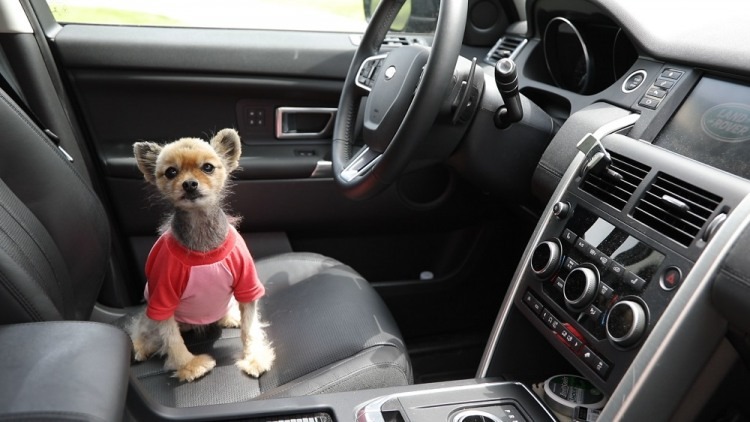
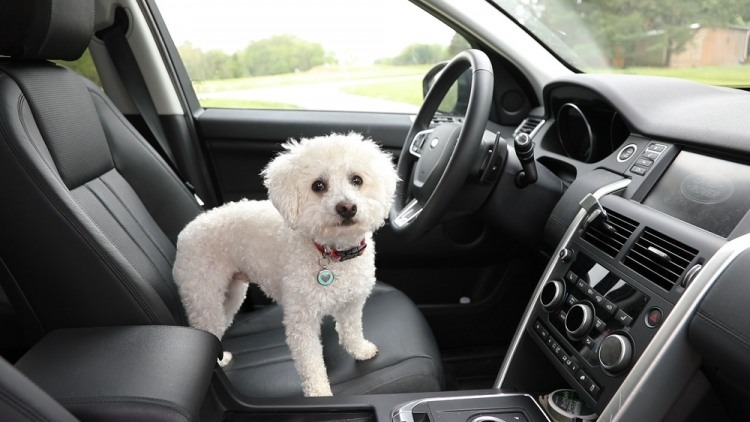
Sunscreen Warning: Don't leave dogs in hot cars! Photo courtesy ALDF
Don't leave pets inside hot cars Photo courtesy ADLF
Dog in cars Photo courtesy ADLF

As summer approaches and temperatures rise, so does the danger of dogs dying in hot cars, left to overheat by negligent owners.

Even on a day when it’s 70 degrees outside, the temperature inside a car can hit 90 degrees in just 10 minutes. On a hot day, the temperature inside a closed car can shoot as high as 116 degrees in the same amount of time.

What can you do to keep dogs safe this summer? The Animal Legal Defense Fund, the nation’s preeminent legal advocacy organization for animals, has some tips.

1. Never leave a dog in a hot car.

Leaving an animal in a car for any amount of time is dangerous. Cracking a window doesn’t eliminate the risk of heatstroke or death, and in some states negligent owners can face up to one year imprisonment.

If you have your dog with you:


via Whisker Therapy

Contact Form

Name

Email *

Message *

Theme images by Storman. Powered by Blogger.