Latest Post
21 Dog Breeds That Love To Chew
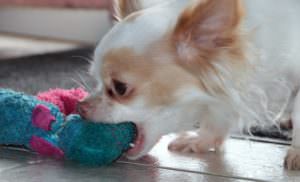
Any dog might decide to chew up your favorite shoes if he gets bored, but some breeds are notorious chewers. If you already have one of the breeds on this list, you might be familiar with their tendencies to chew. If you’re deciding what breed would best suit your family, keep in mind that the dogs on this list may need a little bit more attention, exercise, or training to avoid chewing things they shouldn’t. With that in mind, here are 21 dog breeds that love to chew.
#1 – Australian Shepherd
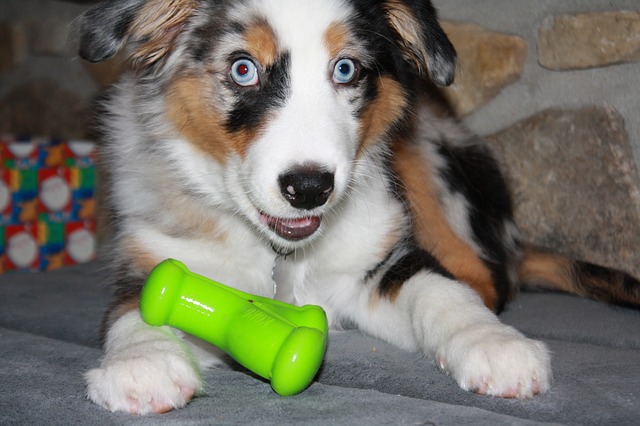
Australian Shepherds were bred to spend all day in the fields herding sheep. They have endless amounts of energy, and if you don’t give them enough exercise, they may decide to expend that energy chewing on things they shouldn’t. A tired Aussie is less likely to have enough energy to chew on things they shouldn’t. If your Aussie is prone to chewing, try giving them more exercise and see if it helps.
#2 – Basset Hound
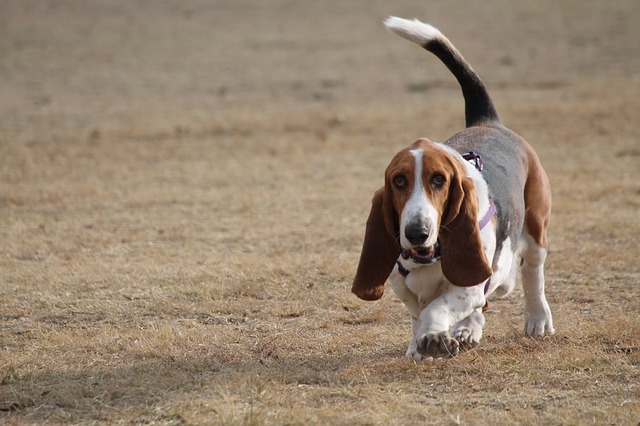
Basset Hounds are a breed prone to separation anxiety, and they are likely to act out their anxiety by chewing on anything in sight. Try leaving them with a Comfort Cuddler or working with a professional trainer to reduce their anxiety. That just may be enough to stop your Basset from eating your favorite pair of panties.
#3 – Beagle

Beagles LOVE to eat. Left to their own devices, they will follow their nose to anything they perceive to be edible. Try leaving them with a toy stuffed with peanut butter and frozen or a puzzle toy that they have to roll around to release treats or kibble so they have something appropriate to much on when you’re gone.
#4 – Border Collie
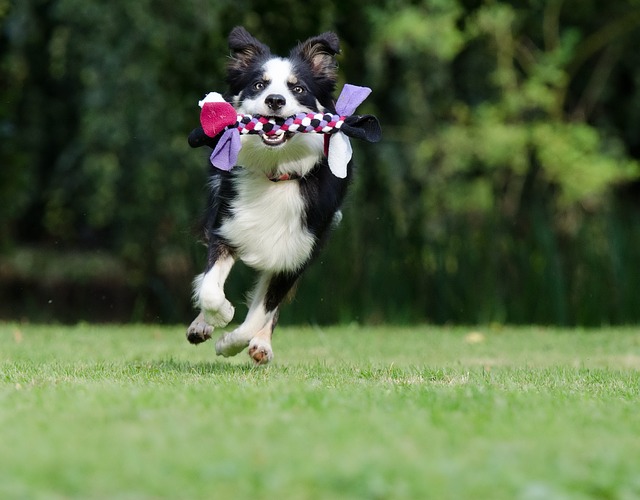
Another herding dog, Border Collies not only have a neverending supply of energy, but they’re also one of the smartest dog breeds. Without enough exercise or mental stimulation, they might decide to find out what the inside of your sofa looks like. Border Collies excel at dog sports like FlyBall and Agility.
#5 – Boxer
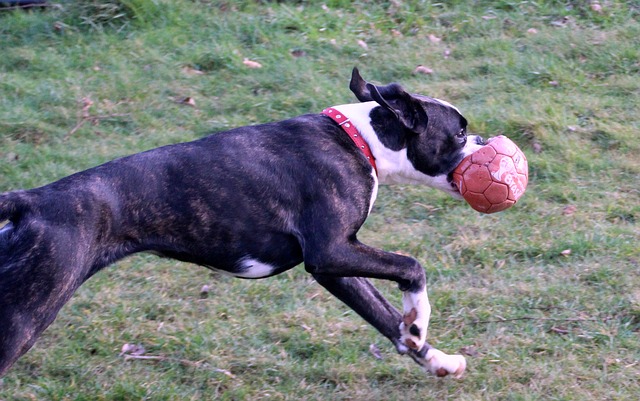
The clowns of the dog world, Boxers have a high energy level and are also prone to separation anxiety. It’s a recipe for disaster to leave an under-exercised Boxer home alone all day while you work. If you work long hours, consider taking your Boxer to doggie daycare a few days a week to help him burn off some energy and be kept busy instead of bored and lonely.
#6 – Bulldog
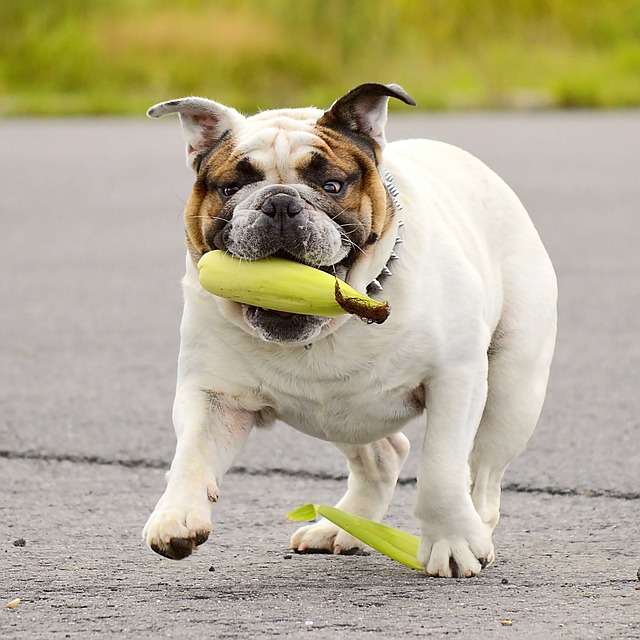
Bulldogs love their families so much that they tend to suffer from separation anxiety. An anxious Bulldog may take his frustration out on your decorative pillows while you’re gone. Try tiring your Bulldog out with an extra long walk before you leave him alone for the day.
#7 – Chihuahua
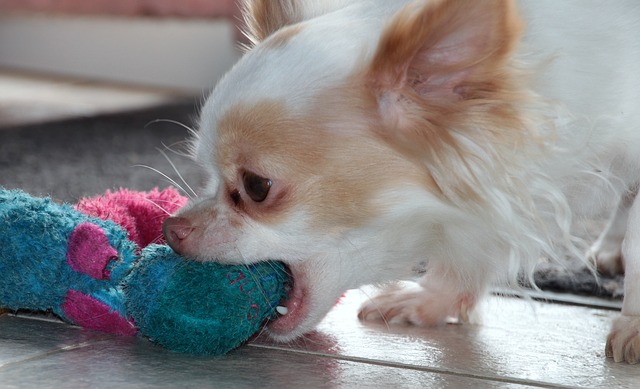
People often underestimate how much exercise and attention small dogs like Chihuahuas actually need. Chihuahuas are prone to lack of exercise, boredom, separation anxiety, and nervousness, and they can relieve all of those by nibbling on the shoelaces of your favorite pair of running shoes. Try doubling the length of your walks and see if they extra exercise helps reduce your Chihuahua’s destructiveness.
#8 – Dachshund
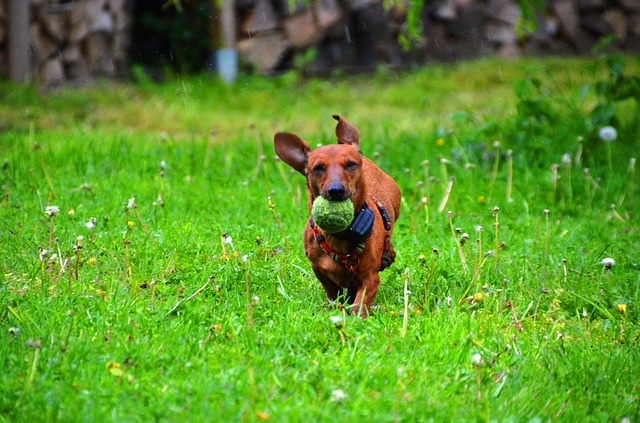
Dachshunds would usually rather dig than chew, but a Dachshund kept inside may certainly release pent-up energy and frustration by chewing. Try giving them more exercise and leave plenty of chew toys around for them to release their energy on while you’re gone.
#9 – Dalmatian
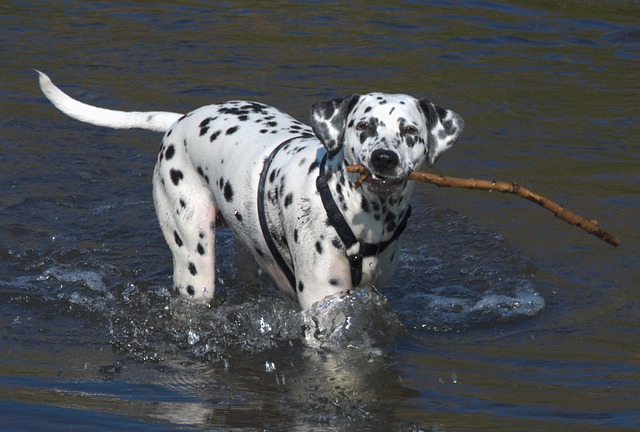
Dalmatians were intended to run alongside carriages all day long and tend to have excessive energy when they’re kept as pets instead. If they aren’t given enough exercise, they can turn that energy into destroying your house when they’re left alone. They’re also prone to separation anxiety. Try taking them to doggie daycare a few times a week to burn off their energy and anxiety.
#10 – Doberman Pinscher
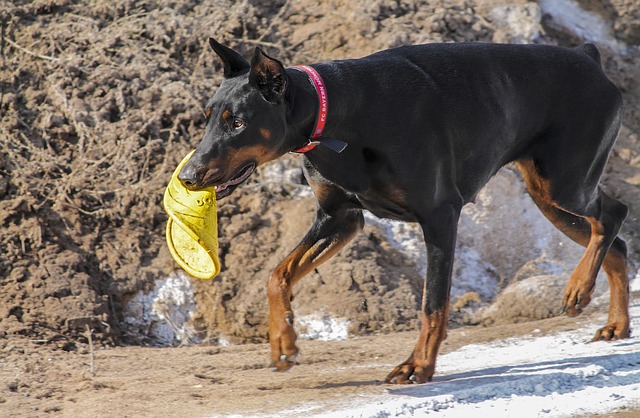
Dobermans are another breed that likes having a job to do. They prefer to be active all day and learning new things. They love to learn and are easily trainable, so teach them new tricks regularly and consider enrolling them in a dog sport to give them an outlet for their energy and a chance to learn new things.
#11 – German Shepherd
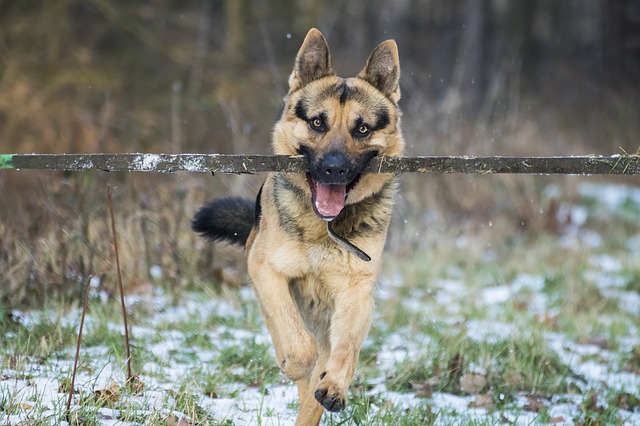
German Shepherds are large dogs with a lot of energy. They can get bored and destructive if they’re left alone for a long time without getting enough exercise. If your German Shepherd is being destructive, try increasing the length and intensity of your walks.
#12 – Golden Retriever
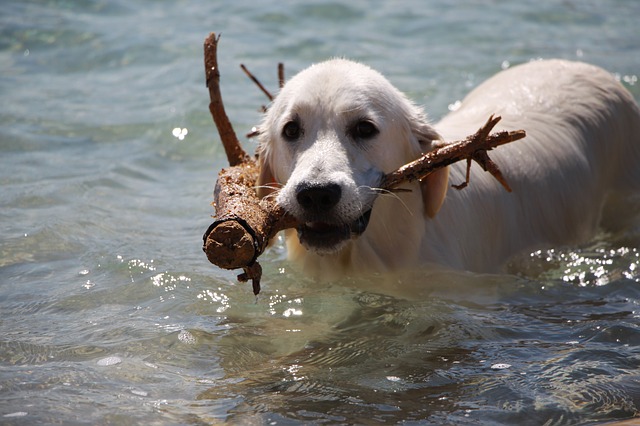
One of the most popular dog breeds in the United States, the Golden Retriever was bred to retrieve birds that had been shot by hunters. They are naturally predisposed to having things in their mouth and will chew on things if they don’t get enough exercise.
#13 – Great Dane
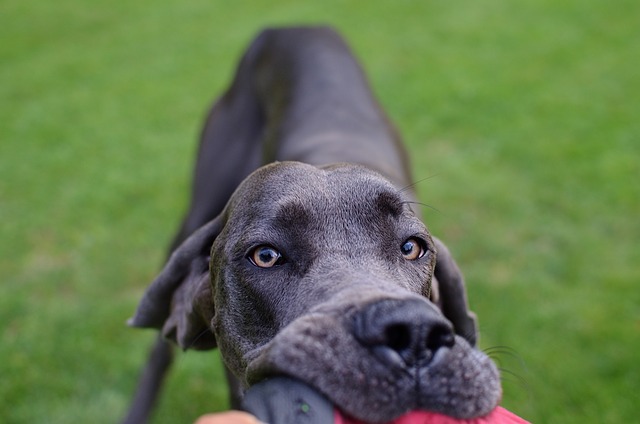
Due to their enormous size and tendency to suffer from separation anxiety and boredom, Great Danes can cause a lot of destruction. Make sure they always have plenty of chew toys and take them for long walks when you have to leave them alone for the day.
#14 – Greyhound
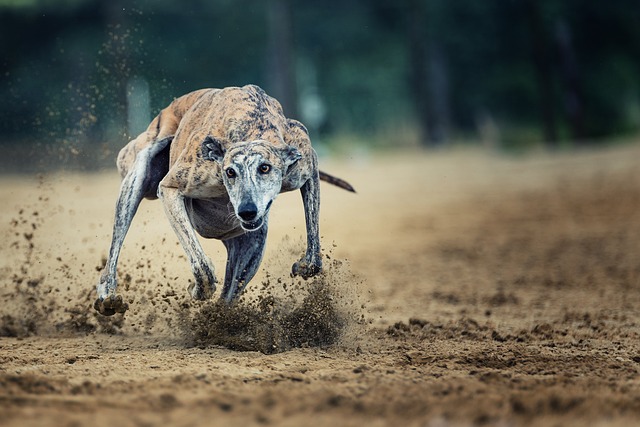
Greyhounds are notorious for being couch dogs – but they still need a regular sprint to fulfill their natural desire to run. A greyhound who doesn’t get to burn off their energy with a regular run may take out their frustration by chewing on things they shouldn’t. If you don’t have a fenced backyard, regular trips to the dog park should help.
#15 – Jack Russell Terrier
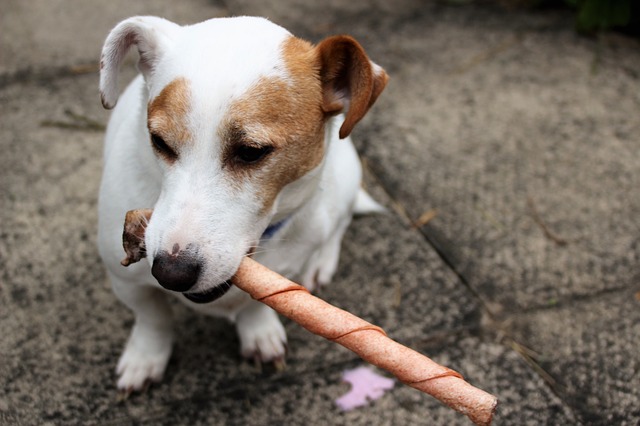
Jack Russell Terriers have an extraordinary amount of energy and are extremely intelligent. Boredom and excessive energy are a bad combination! Your Jack Russell will benefit from regularly learning new tricks, getting plenty of exercise, and even training for a dog sport.
#16 – Labrador Retriever
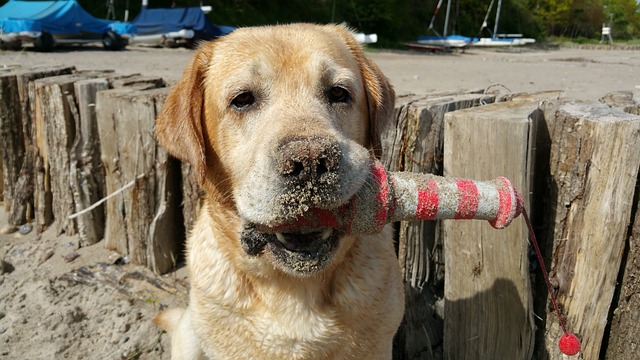
The most popular dog breed in the country, the Labrador’s goofy personality, high energy, and need to have something in their mouth at all times can make them destructive. A good long walk and an intense game of fetch before you need to leave him alone can help burn off extra energy before he tears your house apart.
#17 – Pit Bull
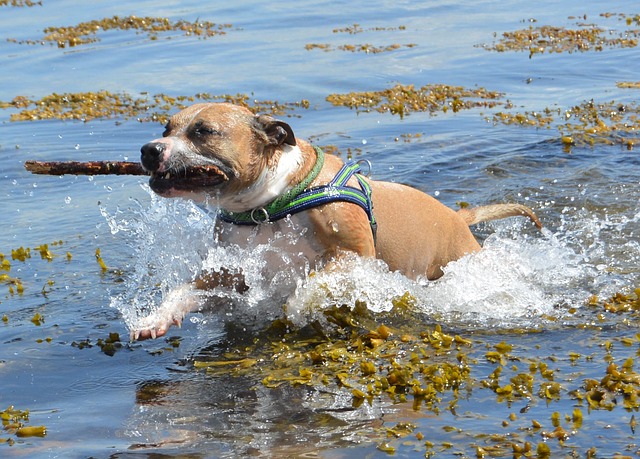
Pit Bulls have one of the strongest bites of any dog breed, so when they’re feeling mischievous, they can really cause a lot of damage. Make sure your Pit Bull gets plenty of exercise and has access to bones, bully sticks, and tough chew toys to keep them away from things you don’t want chewed up.
#18 – Rottweiler
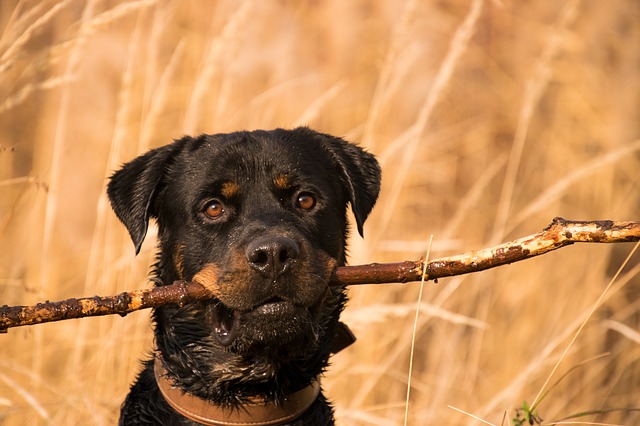
Another breed with powerful jaws, Rottweilers will chew on things when they are bored, stressed or anxious. Make sure your dog gets plenty of exercise and has access to plenty of things that are appropriate to chew in order to keep them safe.
#19 – Shetland Sheepdogs
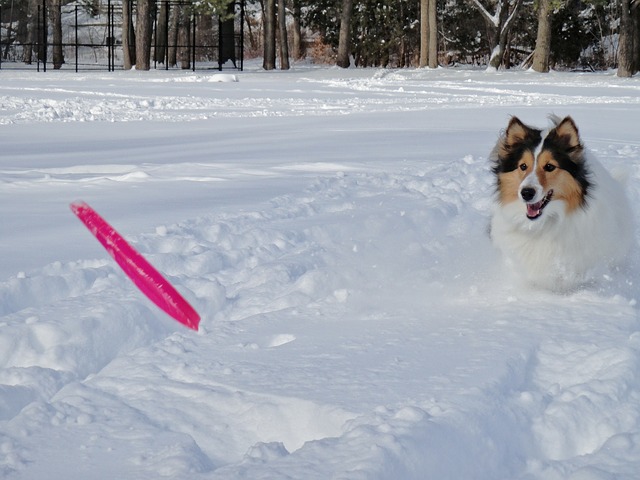
Shetland Sheepdogs have more energy than you might expect, so they’re prone to being cooped up without getting enough exercise. They tend to put their extra energy into aggressively redecorating your home. Double the amount of exercise you give your Sheltie and see if that reduces the amount of destructive chewing.
#20 – Shiba Inu
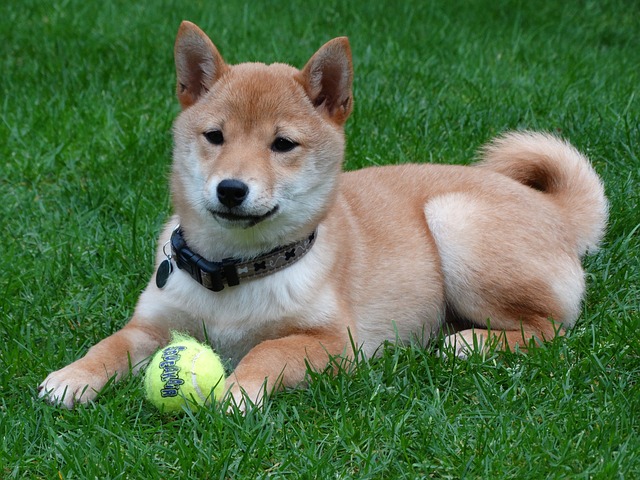
Shiba Inus like to cause trouble, and they will chew on things just to get a reaction. Keep your Shiba entertained with stuffable or puzzle toys and bully sticks and make sure to wear him out with long walks before you leave the house.
#21 – Siberian Husky
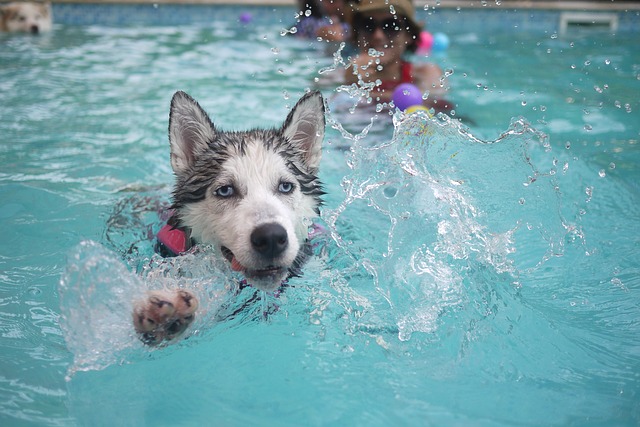
Huskies were bred to run, pulling a sled, through the Arctic, all day long. It can be very difficult to meet their exercise needs outside of that environment, and they can decide to get their exercise by destroying your brand new recliner. Try taking them to doggy darcare to burn off all that extra energy.
For your tough chewer, try the AgriChew™!
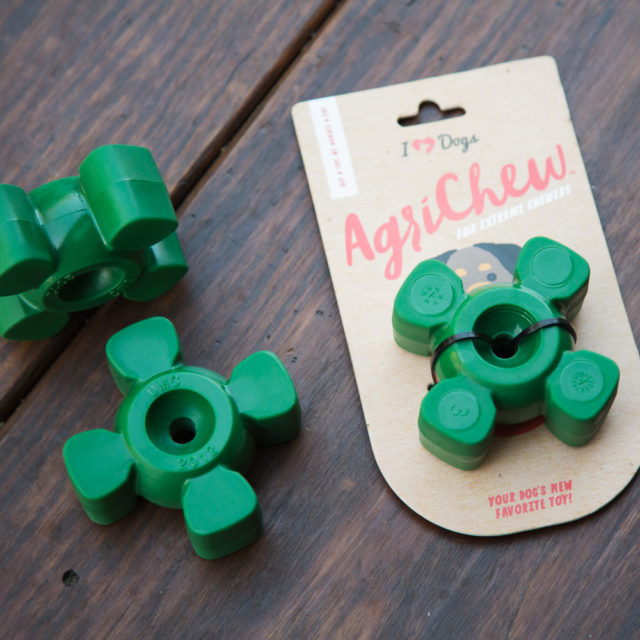
If you’re looking for something appropriate for your hardcore chewer that he won’t destroy in 10 minutes, check out the AgriChew™, the unexpectedly addicting toy your extreme chewer has been waiting for. This toy is great as a fetch toy and features an unpredictable bounce that dogs go nuts over. The material is sturdy yet has just enough “give” to be gentle on dogs’ teeth.
You’ll be amazed at how dogs instinctively latch on to the toy and settle in for a good chew session. To make this toy even more of a reward for your pup, put a treat in the hole or fill with peanut butter!
(H/T: VetStreet, Cuteness, Cheat Sheet)
via Whisker Therapy
21 Dog Breeds That Love To Chew

Any dog might decide to chew up your favorite shoes if he gets bored, but some breeds are notorious chewers. If you already have one of the breeds on this list, you might be familiar with their tendencies to chew. If you’re deciding what breed would best suit your family, keep in mind that the dogs on this list may need a little bit more attention, exercise, or training to avoid chewing things they shouldn’t. With that in mind, here are 21 dog breeds that love to chew.
#1 – Australian Shepherd
Australian Shepherds were bred to spend all day in the fields herding sheep. They have endless amounts of energy, and if you don’t give them enough exercise, they may decide to expend that energy chewing on things they shouldn’t. A tired Aussie is less likely to have enough energy to chew on things they shouldn’t. If your Aussie is prone to chewing, try giving them more exercise and see if it helps.
#2 – Basset Hound
Basset Hounds are a breed prone to separation anxiety, and they are likely to act out their anxiety by chewing on anything in sight. Try leaving them with a Comfort Cuddler or working with a professional trainer to reduce their anxiety. That just may be enough to stop your Basset from eating your favorite pair of panties.
#3 – Beagle
Beagles LOVE to eat. Left to their own devices, they will follow their nose to anything they perceive to be edible. Try leaving them with a toy stuffed with peanut butter and frozen or a puzzle toy that they have to roll around to release treats or kibble so they have something appropriate to much on when you’re gone.
#4 – Border Collie
Another herding dog, Border Collies not only have a neverending supply of energy, but they’re also one of the smartest dog breeds. Without enough exercise or mental stimulation, they might decide to find out what the inside of your sofa looks like. Border Collies excel at dog sports like FlyBall and Agility.
#5 – Boxer
The clowns of the dog world, Boxers have a high energy level and are also prone to separation anxiety. It’s a recipe for disaster to leave an under-exercised Boxer home alone all day while you work. If you work long hours, consider taking your Boxer to doggie daycare a few days a week to help him burn off some energy and be kept busy instead of bored and lonely.
#6 – Bulldog
Bulldogs love their families so much that they tend to suffer from separation anxiety. An anxious Bulldog may take his frustration out on your decorative pillows while you’re gone. Try tiring your Bulldog out with an extra long walk before you leave him alone for the day.
#7 – Chihuahua
People often underestimate how much exercise and attention small dogs like Chihuahuas actually need. Chihuahuas are prone to lack of exercise, boredom, separation anxiety, and nervousness, and they can relieve all of those by nibbling on the shoelaces of your favorite pair of running shoes. Try doubling the length of your walks and see if they extra exercise helps reduce your Chihuahua’s destructiveness.
#8 – Dachshund
Dachshunds would usually rather dig than chew, but a Dachshund kept inside may certainly release pent-up energy and frustration by chewing. Try giving them more exercise and leave plenty of chew toys around for them to release their energy on while you’re gone.
#9 – Dalmatian
Dalmatians were intended to run alongside carriages all day long and tend to have excessive energy when they’re kept as pets instead. If they aren’t given enough exercise, they can turn that energy into destroying your house when they’re left alone. They’re also prone to separation anxiety. Try taking them to doggie daycare a few times a week to burn off their energy and anxiety.
#10 – Doberman Pinscher
Dobermans are another breed that likes having a job to do. They prefer to be active all day and learning new things. They love to learn and are easily trainable, so teach them new tricks regularly and consider enrolling them in a dog sport to give them an outlet for their energy and a chance to learn new things.
#11 – German Shepherd
German Shepherds are large dogs with a lot of energy. They can get bored and destructive if they’re left alone for a long time without getting enough exercise. If your German Shepherd is being destructive, try increasing the length and intensity of your walks.
#12 – Golden Retriever
One of the most popular dog breeds in the United States, the Golden Retriever was bred to retrieve birds that had been shot by hunters. They are naturally predisposed to having things in their mouth and will chew on things if they don’t get enough exercise.
#13 – Great Dane
Due to their enormous size and tendency to suffer from separation anxiety and boredom, Great Danes can cause a lot of destruction. Make sure they always have plenty of chew toys and take them for long walks when you have to leave them alone for the day.
#14 – Greyhound
Greyhounds are notorious for being couch dogs – but they still need a regular sprint to fulfill their natural desire to run. A greyhound who doesn’t get to burn off their energy with a regular run may take out their frustration by chewing on things they shouldn’t. If you don’t have a fenced backyard, regular trips to the dog park should help.
#15 – Jack Russell Terrier
Jack Russell Terriers have an extraordinary amount of energy and are extremely intelligent. Boredom and excessive energy are a bad combination! Your Jack Russell will benefit from regularly learning new tricks, getting plenty of exercise, and even training for a dog sport.
#16 – Labrador Retriever
The most popular dog breed in the country, the Labrador’s goofy personality, high energy, and need to have something in their mouth at all times can make them destructive. A good long walk and an intense game of fetch before you need to leave him alone can help burn off extra energy before he tears your house apart.
#17 – Pit Bull
Pit Bulls have one of the strongest bites of any dog breed, so when they’re feeling mischievous, they can really cause a lot of damage. Make sure your Pit Bull gets plenty of exercise and has access to bones, bully sticks, and tough chew toys to keep them away from things you don’t want chewed up.
#18 – Rottweiler
Another breed with powerful jaws, Rottweilers will chew on things when they are bored, stressed or anxious. Make sure your dog gets plenty of exercise and has access to plenty of things that are appropriate to chew in order to keep them safe.
#19 – Shetland Sheepdogs
Shetland Sheepdogs have more energy than you might expect, so they’re prone to being cooped up without getting enough exercise. They tend to put their extra energy into aggressively redecorating your home. Double the amount of exercise you give your Sheltie and see if that reduces the amount of destructive chewing.
#20 – Shiba Inu
Shiba Inus like to cause trouble, and they will chew on things just to get a reaction. Keep your Shiba entertained with stuffable or puzzle toys and bully sticks and make sure to wear him out with long walks before you leave the house.
#21 – Siberian Husky
Huskies were bred to run, pulling a sled, through the Arctic, all day long. It can be very difficult to meet their exercise needs outside of that environment, and they can decide to get their exercise by destroying your brand new recliner. Try taking them to doggy darcare to burn off all that extra energy.
For your tough chewer, try the AgriChew™!
If you’re looking for something appropriate for your hardcore chewer that he won’t destroy in 10 minutes, check out the AgriChew™, the unexpectedly addicting toy your extreme chewer has been waiting for. This toy is great as a fetch toy and features an unpredictable bounce that dogs go nuts over. The material is sturdy yet has just enough “give” to be gentle on dogs’ teeth.
You’ll be amazed at how dogs instinctively latch on to the toy and settle in for a good chew session. To make this toy even more of a reward for your pup, put a treat in the hole or fill with peanut butter!
(H/T: VetStreet, Cuteness, Cheat Sheet)
via Whisker Therapy
Dogs of Bali—A Study
Evidence of environmental effects on behavior
The dogs who colonized the island of Bali before the end of the most recent glaciation differentiated into their own unique breed at least 3000 years ago. In ancient times, far fewer people visited Bali than other islands such as neighboring Java, which limited migration of new dogs to Bali. For most of the last 100 years, a strict program designed to control rabies meant that few new dogs came to the island. Though genetic studies have found too much diversity among Bali Street Dogs (or BSDs as they are also known) for them to be considered a truly isolated dog population, they are believed to have bred freely and roamed the island with limited outside gene flow for thousands of years. Additionally, unlike many dogs around the world, BSDs have not likely been actively selected for specific morphological or behavioral traits.
via Whisker Therapy
Agri-Dogs
Saving Florida Avocado Groves

Just when I was thinking if it is possible to train my dog Lola to “detect” aphids on our backyard apple tree, I learn that dogs trained at Florida International University have a leg up on us. The Florida researchers looked at using “the highly sensitive canine olfactory system that is capable of detecting odor concentrations at exceedingly minute 1 to 2 parts per trillion” to help in early detection work to find the red-bay ambrosia beetle, a nonnative insect that was introduced from Asia in untreated wooden packing material. That transplant beetle is responsible for the spread of “laurel wilt” that is decimating avocado groves in Florida.
Tags:
via Whisker Therapy
Subscribe to:
Posts (Atom)