Latest Post

Liz Oeffner was driving through Detroit’s West Side when she noticed a filthy dog limping along the road at a busy intersection. Concerned for her safety, she scooped up the gentle pooch and brought her home.

As the hungry stray ate, Oeffner noticed there was something strange about her mouth.

“She was eating weird,” Oeffner wrote on Facebook. “I assumed she didn’t have any teeth. Then she yawned. She didn’t have a tongue.”

Oeffner brought the dog to her veterinarian who confirmed that she was indeed missing her tongue. She then contacted local rescue group, Detroit Pit Crew, who agreed to accept the special stray into their care.

Like Oeffner’s veterinarian, they were in shock to learn she had been surviving without a tongue.

“I have seen a lot of very strange things, very sad things in Detroit with dogs, but I have never seen a dog without a tongue,” Theresa Sumter, the founder and director of Detroit Pit Crew told Fox 2.

Her new friends at DPC dubbed the pooch Helen Keller – or just Helen for short!

Helen was put under anesthesia Wednesday afternoon for a closer examination of her mouth. While her vet cannot say for sure, it seems that Helen was either born this way or suffered an injury – by accident or as a result of abuse – when she was very young.

For now, she is doing remarkably well despite her condition. She has learned to eat and drink in her own way, but rescuers say whoever adopts Helen will need to take a few special precautions on her behalf. She is more susceptible to overheating since she cannot pant, and will need frequent baths since she cannot lick herself.

Helen also drools a lot, but we think that just adds to her charm!

You can continue to follow this sweet girl’s story on the Detroit Pit Crew Facebook page!


via Whisker Therapy

You go out of your way to make sure your dog lives the best life possible, and taking care of their digestive health is an important part of that. How they absorb nutrients and breakdown food affects nearly all aspects of their overall health. If you want to give your dog a happy and healthy life, it’s time to consider all the many benefits of probiotics.

What To Know About Probiotics

Probiotics are the good bacteria found in the digestive system. There are millions of them living and interacting in your dog’s gut, and they help the digestive organs break down food and absorb nutrients. As long as there’s a healthy ratio of more good bacteria than bad bacteria, your dog’s digestive system is in good shape. The problem, however, is that few dogs actually have the right amount of probiotics in their guts. It’s hard for them to get the probiotics they need from the average dog food, and as a result, their overall well-being suffers.

The good news is, you can do something about it. Giving your dog a daily supplement of probiotics will benefit them in more ways than one.

1. Relieve Symptoms of Chronic GI Disorders

If your dog has been diagnosed with a GI disorder like IBD or colitis, you’re probably used to them having frequent diarrhea, vomiting, and gas. Typical treatment for these conditions include immunosuppressive drugs and antibiotics, but they’re not always 100% effective.

A probiotic supplement isn’t a cure for anything, but it can relieve symptoms of chronic digestive conditions. More probiotics in your dog’s diet will boost the population of good bacteria in the gut to give them a fighting chance at restoring a healthy balance of bacteria. They’ll feel better on the inside and be able to get back to chasing balls and begging for belly rubs.

2. Help With Antibiotic Side Effects

Antibiotics are prescribed to pets and people when bacteria in the body causes illness. They’re good at fighting infection, but there’s a problem. Antibiotics can’t distinguish between good and bad bacteria. While they’re out fighting the bad stuff that makes your dog sick, they also take down the good bacteria that’s needed to make them feel better.

If your dog is taking antibiotics for a health issue, they should also be taking a probiotic supplement. By depleting the body’s supply of probiotics, antibiotics can cause diarrhea, cramping, gas, and other digestive problems. Veterinarians often recommend starting a dog on probiotics a few days before they start taking antibiotics and then continuing even after the antibiotic treatment.

3. Bolster Their Immune System

With 80% of a dog’s immune system situated somewhere in their gut, digestive health plays a big role in immune response. A healthy gut allows the immune system to operate at its optimal level. When the gut is full of good bacteria, the immune system is free to direct its efforts to other areas of the body.

One of the ways the immune system is responsible for overall health is by fighting off foreign invaders that threaten to make your dog sick. It can even reduce symptoms related to allergies. Allergies are an overreaction by the immune system toward a specific foreign substance. And when the immune system is at its best (like when the body is getting plenty of probiotics), studies show allergy symptoms are less severe.

4. Improve Their Skin and Fur

There are several possible symptoms a dog with allergies can suffer from, but itchy, dry skin is one of the most common. Dogs that are allergic to things like wheat, chicken, grass, and prescription drugs spend their days constantly itching their irritated skin. For most of them, all that scratching leads to bald spots and bleeding.

By reducing allergy symptoms, probiotics also lead to healthier skin and fur. Your dog will finally find relief from their constant irritation, and their fur will be shinier and all-around better looking.

5. Promote Good Oral Health

Around 80% of adult dogs have periodontal disease, and contrary to common thought, oral health affects a lot more than your dog’s mouth.  Like your dog’s intestines, their mouth also harbors colonies of bacteria. When the bacteria in your dog’s mouth is balanced, everything is fine. But when it builds up due to periodontal disease, strains of dangerous bacteria travel from the mouth through the blood vessels to major organs.

Just as probiotics keep a healthy balance of bacteria in the gut, studies show they do the same in the mouth. A study published in 2009 found that a daily probiotic supplement is an effective way to prevent dental disease. Probiotics keep the bad bacteria found in plaque from damaging teeth and causing disease. Not only will your dog’s teeth look better, they’ll have a lower chance of developing dangerous diseases.

Your dog loves their big bin of toys you spoil them with and all the love and attention you provide, but they can’t live their best life if they’re not healthy. You can make their life even better than it already is by finding a trusted probiotic supplement.

Pronine™ Flora from iHeartdogs is recommended by veterinarians as a high-quality four-in-one digestive supplement. It contains probiotics, prebiotics, digestive enzymes, and digestive herbs to provide dogs with everything they need to support a healthy digestive system. Dogs love it for its tasty chicken liver flavor, and pet owners know every time they sprinkle Pronine™ Flora over their dog’s food, they’re taking a big leap in improving their dog’s overall well-being.

These statements have not been evaluated by the Food and Drug Administration. This product is not intended to diagnose, treat, cure, or prevent any disease. The information on this website is not intended to replace a one-on-one relationship with a qualified healthcare professional.


via Whisker Therapy

Common reasons dogs snap at humans include fear, pain and resource guarding.

Recently, a team of researchers from the University of Liverpool set out to discover the lesser understood triggers for dog bites by analyzing 143 YouTube videos showing 362 real bites.

Dog bites are a global health problem causing physical, mental, and financial strain to individuals, health care systems, and businesses. They also affect canine welfare, as many dogs are relinquished to shelters or euthanized for biting, even when the incident was prompted by human behavior.

Exploring the reasons why dogs bite is difficult to study since provoking dogs into snapping at humans is simply not ethical. For this reason, the researchers came up with a system to analyze YouTube videos, recording the context of the bites, bite severity, characteristics of the dogs and victims, and human and dog behavior before each bite.

When selecting videos, they used search terms like “dog bite” and “dog attack” and excluded clips where the dogs were being trained to attack. A “bite” was defined as:

“A dog holding a person’s body part in their mouth and applying pressure, which could be reflected by a bite mark and/or the victim’s vocalizations (e.g., screaming) or facial expressions indicative of pain (e.g., grimacing).”

Previous data gathered through population surveys, veterinary reports, hospital records, and interviews with victims suggest children and male adults are more likely to be bitten, with the severity of the bite tending to be higher among older victims.

Typically, adults suffer bites to the limbs, while children are more likely to be bitten in the face and neck – regardless of the dog’s size. This indicates that children interact with dogs differently than adults.

The University of Liverpool researchers noted several commonly-known bite triggers including physical abuse, teasing, taking food or toys, and painful or frightening medical/grooming procedures. However, some of the causative factors were less obvious such as petting, restraining, laughing, yelling and “looming” over the dog during the key 21-second period preceding the bites.

The results on bite severity were consistent with the previous data on victim age: adults were bitten more severely than infants and infants more severely than children. The reasons for this are purely speculative. Adults are more physically imposing, so dogs may bite harder to neutralize the threat. The harsher bites to infants over children may be due to their inexperience with dogs and higher likelihood to scream in their face or grab their tails.

Unfortunately for male dog lovers, the study found that men are not just more likely to be bitten; dogs walked by men are four times more likely to attack other dogs than those walked by women.

The team also found the breeds most likely to bite were similar to past results. (Breed data is notoriously controversial for several reasons including the public’s inability to identify breed on sight alone and under-reporting bites from smaller dogs.)

While this data is limited by what people are willing/able to catch on video and post to YouTube, it could still prove important for improving our understanding of why dogs bite, what causes them to attack more severely in certain cases, and who is most at risk. Eliminating all bites may not be possible, but studies like these may help us reduce their severity and educate the public on how to safely interact with dogs.


H/T to Haaretz.com


via Whisker Therapy

Endless reasons, endless joy

My parents, despite being otherwise lovely people, are just not that into dogs. My Mom once said, completely seriously, “I just don’t understand why people would want to have an animal living in their house.” Though her view presumably matches exactly zero people reading this blog, I think the question of why we want to share our lives and our homes with dogs is an interesting one. There are certainly plenty of reasons NOT to want a dog (cleaning up vomit, fur on the furniture, budget woes and trash parties anyone?) Clearly the up side of having a dog outweighs the inconveniences of having one, much like the cost-benefit analysis of having human children makes them worthwhile despite the many drawbacks of parenthood.


via Whisker Therapy

Your backyard is where your dog is free to run around and soak up the sun, but it’s your job to make sure that happy place doesn’t end up being a dangerous place. You’ll need to look at your yard with a critical eye to spot the things that might get a curious sniffer or mischievous mind into trouble. Most of the things on this list are everyday items you probably have in your yard right now. They’re safe when stored properly, but they also pose specific risks to dogs. To keep your pup safe, first learn the facts about what’s hazardous so you can better protect your pooch. Here are a few common yard items that could end up being deadly to dogs.

1. Pesticides

No one wants to deal with an invasion of ants, bees, ticks or other kinds of creepy crawlies in the yard, and pesticides usually work wonders to clear out those unwanted guests. The problem is, there are few pesticide products that are 100% safe for pets. When you treat your yard with pesticides and let your dog outside, those chemicals stick to their fur and paw pads. If they lick themselves, they let all that bad stuff into their body.

Side effects of pesticide poisoning can range from mild to deadly. SF Gate warns dog owners,

“Dogs experience the same reactions to pesticide exposure as do humans. These include immediate symptoms such as skin rashes, nausea and vomiting, eye irritations, and respiratory problems.”

Long-term exposure can also increase a dog’s risk of developing bladder cancer. The best way to protect your dog while keeping your lawn bug-free is to limit the amount of time your dog spends outside for at least 48 hours after you treat your lawn. You’ll also need to make sure you don’t leave the bottles and cans of pesticide lying around where your dog can find them.

2. Flowers

Your flower garden might be your pride and joy (second to your dog, of course), but “pretty” can often translate to “poisonous to dogs.” There’s a long list of flowers that can cause serious health issues when ingested by dogs. Sometimes the side effects are relatively minor, like a brief bout of loose stool, but the more toxic plants can lead to things like respiratory distress and kidney failure.

A mistake many dog owners make is assuming their dog won’t bother their flowers. It’s not like you’re growing cheeseburgers, right? Your dog might not be initially interested in snacking on your plants, but many pets get curious. They explore the world with their noses and tongues, and they also like the feeling of digging and ripping things out of the ground. If they’re extra interested, it’s in their nature to take a bite and swallow. Lilies, daffodils, hydrangeas, azaleas, and oleander make up a small portion of  the list of flowers that are toxic to dogs. If you insist on having them around, make sure they’re in an area where your dog can’t get to them. You can view a full list of plants that are known to be toxic to dogs at ASPCA.org.

3. Fencing

Most people install fencing for the specific purpose of keeping their dog safe, but it doesn’t always work out as expected. The best kind of fence is one that is tall enough that your pup can’t jump over, sunk into the ground so they can’t dig under, and the slats have to be close enough together so there are no major gaps.

If your prey-driven dog sees the neighbor’s cat lurking nearby, they’ll throw caution to the wind and do everything they can to find vulnerabilities in the fence. Wiggling their way under or squeezing their head through a gap could end up causing them serious injury. Wooden fences with the potential for splintering are also dangerous. The easy fix to this problem is to keep up with fence maintenance. If you need to, it’s also a good idea to replace an old fence with something better and safer.

4. Gardening Tools

As a general rule, dogs shouldn’t have access to anything with a pointy edge. In your backyard, that includes hedge clippers, shears, and shovels. The problem with these tools is that your dog could run into them or trip over them while they’re running around with a case of the zoomies. Heavy chewers could also get curious and decide to put the pointy end in their mouths.
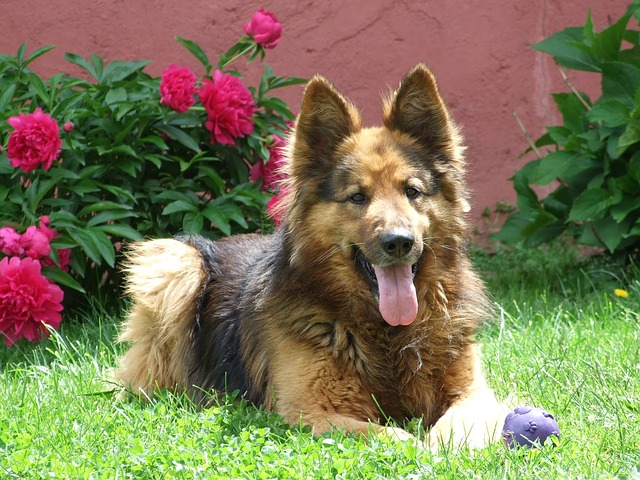
If you have a dog that likes to steal things and play their favorite game of keep-away, there’s an even bigger risk of something bad happening. Avoid a trip to the emergency vet by remembering to clean up your tools after using them. Keep them in a secure shed or put them in a place where puppy can’t reach.

5. Cocoa Mulch

Theobromine is the ingredient that makes chocolate toxic to dogs, and it’s also why dogs shouldn’t be allowed access to cocoa mulch. This popular type of mulch has theobromine in it, and if ingested, it’s enough to send a dog to the emergency vet. Gardeners and landscapers love cocoa mulch for its pleasant smell, ability to retain moisture, and the fact it never fades. Spreading it in a flower bed adds instant curb appeal, but it shouldn’t be a dog owners first choice for outdoor improvement.

Dogs are attracted to the smell cocoa mulch puts off, and sometimes it smells so good, they can’t help but take a big bite–or two or ten. The ASPCA Animal Poison Control Center issued a warning in 2003 stating,

“Eaten by a 50-pound dog, about 2 ounces of cocoa bean mulch may cause gastrointestinal upset; about 4.5 ounces,increased heart rate; about 5.3 ounces, seizures; and over 9 ounces, death. (In contrast, a 50-pound dog can eat up to about 7.5 ounces of milk chocolate without gastrointestinal upset and up to about a pound of milk chocolate without increased heart rate.)”

Before you buy your mulch, do your research to make sure there is no theobromine in the mix.

6. Sticks

A dog and a stick seems like a naturally good combination but not when your pup likes to swallow what they chew. Swallowing part of a chewed up stick is a major choking hazard that can block your dog’s airway and send them into panic mode. Sticks can also splinter and leave pointy shards of wood in the dog’s mouth, esophagus, stomach, and intestines.
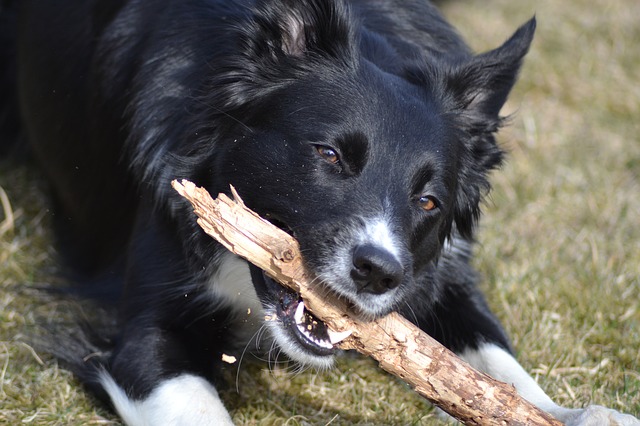
Make an effort to keep up with lawn maintenance and clean up the tree debris on a regular basis. People who live in wooded areas might find it impossible to keep up with the barrage of falling sticks, and if that’s the case, your chew-happy dog shouldn’t be left unsupervised outside. Chewing and chasing sticks is all fun and games until the dog inhales a chunk of wood and chokes. There are plenty of other toys they can chew and chase safely.

7. Patio Furniture

Most backyards have some sort of furniture, and not every chair or table is a threat to your dog’s safety. You should only be concerned if you have the type of patio furniture that can be easily knocked over or broken. Light-weight tables can tip over when your big dog puts their paws up looking for a bite of your burger. Tables can also blow over in the wind and land on sleeping puppers. Glass tables are especially risky because of the potential for shattering.

Your yard is where your dog likes to run, jump, and roughhouse, and you shouldn’t be surprised if your patio furniture becomes part of their play area. When buying patio furniture, go for the sturdy stuff that your dog can’t knock over or break.

If you can’t move these items out of your dog’s play area, the best you can do is watch them while they’re out exploring their territory. You should have a good idea based on your dog’s personality how much trouble they’re capable of getting into, but every dog can end up surprising you. If there’s something new in the yard, they’ll want to investigate, and even old things can randomly seem interesting. Never leave your dog alone outside for extended amounts of time to make sure their backyard is a safe place to have fun.

Sources: SF Gate, Amherst Vet, Reader’s Digest


via Whisker Therapy

Contact Form

Name

Email *

Message *

Theme images by Storman. Powered by Blogger.