Latest Post
Stuck Inside? Here Are 12 Tips To A Happier, Healthier Indoor Dog

12 Ways to Boost Happiness & Health of your Indoor Canine Companion
Owning a dog is a lot like having a child- exciting in theory, maybe a little scary at first, but always a beautiful adventure that continues on for as long as any love can. Keeping that child healthy and happy? That’s not always an easy feat. Indoor dogs require a certain kind of awareness to ensure they are getting both equal parts affection and wellness care to keep their tails wagging for days to come. Unlike the latest model of smartphone, our pups don’t come with a manual or a user’s guide, but keeping these 12 simple tips in your wheelhouse can help you boost Fido’s livelihood and outlook whenever he needs it most.
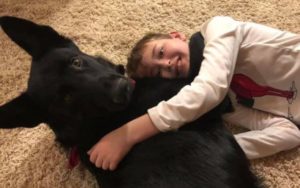
#1- Entertainment is Key
Yes, your dog gets bored too! Spice up the routine by providing toys and changing them out often, open curtains during the day and provide an area where your dog can peek out at the local happenings and use music or TV to lend sound while your away to give him a sense of presence even when no one is around.
#2- Schedules Aren’t Just for You
Structure can be a helpful tool. If your dog learns through consistency that you will leave around a certain time in the morning, say immediately after you let him out everyday, then he has a better chance of relaxing during the quiet time. This decreases his anxiety when you return home and improves his overall mood as you come and go.

#3-Breed Plays a Role
Many factors that will influence your dog’s behavior come from his breed specific needs. Understanding and knowing the characteristics, weaknesses and strengths of his breed can allow you to maintain his health in a way that is unique to his genes.
#4- Exposure, Exposure, Exposure
Setting aside outdoor time is essential. Whether it be for a short walk or a long playdate, exposing your dog to outside senses, new places, people and things can help your dog with sociability and reduce the possibility of aggression.
Looking for more great ways to keep your dog busy indoors? Check out these 13 great ideas!
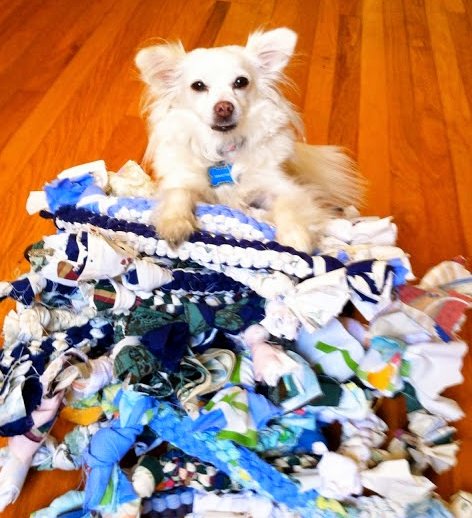
#5- Gifts Galore
Who doesn’t like a nice present? Your pup is bound to get excited over the prospect of a new toy, chew or an offered bone. Treats like these diminish the monotony of his day-to-day. Plus, they can reinforce good behavior and be used as a positive reward at any time.
#6- Don’t Skip the Vet
A good Veterinarian should provide you with vaccine scheduling and checkups that shouldn’t be missed because these appointments can aid your dog’s physical and emotional well-being. Although you may think you have the best intentions, seeing your animal everyday can act as a blinder to abnormalities or illness, and a fresh set of eyes can be very beneficial.
#7- Area & Space
If you’ve got a huge dog, give him a huge space. Take your dog’s size and weight into account when creating an area of his own. Dressing it with plush blankets, a bed, and even some pillows, can facilitate a comfortable location for your dog to control and feel safe in.
#8- Squeaky Clean Hygiene
Indoor dogs need baths too. Setting standards for your dogs hygiene and the cleanliness of his teeth with proper brushing, coat with necessary grooming, and nails with regular trims can combats future issues that may arise from neglecting them.

#9- Food for Thought
Not only does food have an effect over mood and health, but it also has the possibility to change over time. Monitoring the amount your dog eats and when, goes hand in hand with the scheduling of his day, and staying on top of what his meals consist of can mean changing his diet to fit his lifestyle, size, and age.
#10- Now Hiring- Inquire Inside
Dogs love having a 9 to 5. Employ your dog with a job by teaching him tricks, placing him through training, or allowing him to accompany you in tasks around your home to give him a feeling of purpose that may improve his mood and level out his energy.
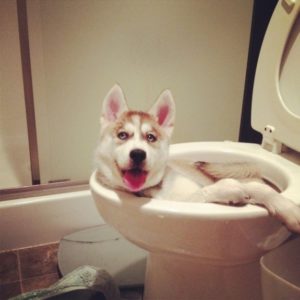
#11- The Art of Communication
Dogs can’t talk, but they can tell you many things. Learning his body language while teaching him your’s can have a positive effect on your relationship. Remember to be respectful of his space and be sure to differentiate your que’s for commands and praise to avoid confusion.
#12- Unconditional Love = Undivided Attention
Time management becomes even more important when you own a dog. Organizing your time to include moments of undivided attention is crucial for his satisfaction. The good news is that this time can be used for all sorts of things- cuddles, playtime, you name it; just give him your all and he will return the favor tenfold.
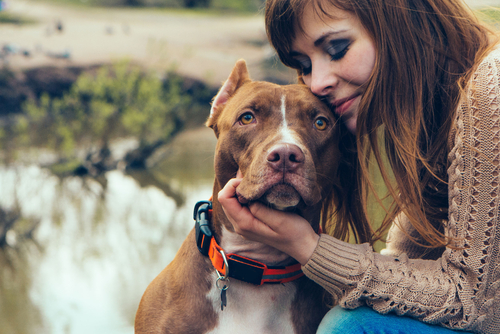
A for Effort
Dogs don’t judge, and it’s one of their best qualities. They offer support through thick and thin, through all of the ups and every single down. So, whether you implement 12 of these tips or just your favorite 2, you’re on the right track towards returning the favor and earning your own title of “Dog’s Best Friend”.
The post Stuck Inside? Here Are 12 Tips To A Happier, Healthier Indoor Dog appeared first on iHeartDogs.com.
via Whisker Therapy
Puppy Born With “Upside Down Paws” Will Soon Walk For The First Time
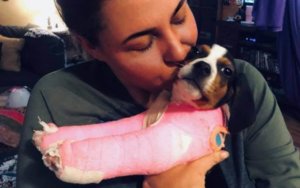
Milo has been through more in his first three months than most pups go through in a lifetime. The Treeing Walker Coonhound was born with a rare congenital defect in which both elbows are luxated, forcing his paw pads to turn upwards.
Milo’s disability was more than his breeder could handle. When he was 5-weeks-old, she reached out to Jennie Hays, founder of Oliver and Friends Farm Rescue and Sanctuary.
Hays agreed to take him in, not yet realizing the extent of Milo’s disability.
“Initially, they sent me a small video and the quality was pretty crappy,” Hays told Mother Nature Network. “I was surprised when he showed up and thought, ‘Oh wow, this is a severe defect.’ Our regular veterinarian wasn’t able to do surgery on it because it was such a rare condition.”
Rather than walking on all four paws like a healthy puppy, Milo “army crawled” on his chest, using his twisted front legs to pull himself along.
“He was putting pressure on the sides of his wrists and was getting pressure sores. His chest never left the ground,” Hays said. “It was kind of if we’re going to do something, we better do something now. He was certainly on the road to causing a lot of skeletal issues, too.”
Milo’s surgery was a success, but it wasn’t time to celebrate just yet. The poor little pup was fitted with large casts on both front limbs as well as his chest. Luckily, he quickly learned to adjust.
“When he first came home, when he was first in that full frontal cast, he was miserable,” said Hays. “And he was so confused and I’m sure he was pain. But by the end of that first week, he was like, I guess this is my life now, and he went back to his normal, feisty self. And then he just didn’t seem to notice them anymore.”
After several weeks, Milo had a second procedure to remove the pins from his legs. He is currently staying at the veterinary hospital while he heals and builds his strength. He has months of intensive rehab and physical therapy in his future, but Hays is devoted to continuing his care when he comes home.
Although he is yet to stand on all four paws or walk, Milo is starting to sit up on his own! If he continues to make such wonderful progress, he’ll be running and romping like an average pup in no time!
Milo’s veterinary bills are expected to reach $3,000 or more. In order to care for him and the other dogs, cats and livestock at Oliver and Friends Farm, Hays depends on donations from other animal lovers. You can contribute to Milo’s care through PayPal using the email address: oliverandfriendsfarmsanctuary@gmail.com or on Venmo at Venmo.com/oliverandfriends.
H/T to Mother Nature Network
The post Puppy Born With “Upside Down Paws” Will Soon Walk For The First Time appeared first on iHeartDogs.com.
via Whisker Therapy
Runner Rescues Puppy During Marathon Then Carries Her 19 Miles To The Finish Line

Marathon runners train for months or even years to prepare their bodies and minds for the arduous 26.2 mile trek. Khemjira Klongsanun of Bangkok, Thailand is no exception. But when she came across a tiny puppy along the roadside about 7 miles into a local race, she dropped everything to rescue her. Klongsanun went on to finish the marathon, running 19 miles with the pup cradled in her arms!
The pooch contentedly bobbed along with her rescuer, happy to join the event!
Rather than handing the little hitchhiker off to a spectator or taking her to a shelter, Klongsanun brought her home to join her family!
She named the puppy Nong Chom after the district in Thailand where she was found.
Nong Chom quickly adjusted to life as a kept pup!
And after a trip to the vet, Klongsanun brought Nong Chom back to the spot where she was found to look for her mom and siblings.
Unfortunately, no other dogs were found. It seems the tiny gal was truly on her own that day. Thank DOG her mom came along to save her!
Klongsanun may not have won the marathon, but her heroic actions mean she will always be first place in Nong Chom’s heart!
H/T to The Dodo
The post Runner Rescues Puppy During Marathon Then Carries Her 19 Miles To The Finish Line appeared first on iHeartDogs.com.
via Whisker Therapy
Dealing With The Loss Of A Dog? Here Are 10 Tips To Help You Grieve
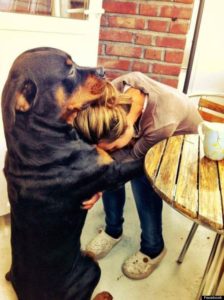
Dealing with the loss of a dog can feel impossible. Here are some tips to help manage the pain.
There are few things worse than losing a beloved pet. As a loyal and loving family member, you become accustomed to sharing daily life with your four-legged friend. When they go for the final walk across the Rainbow Bridge, the pain can seem unmanageable. If you recently lost a pup, here are 10 ways to help you deal with the heartbreaking loss of a dog.

Allow Yourself Time to Grieve
Like losing anyone in your life, time is necessary for grieving. While there are always a million things on your to-do list, allowing yourself the time and space to grieve is crucial. There is no “set” amount of time for grieving a pet; take as much time as you need to fully experience your emotions.
Write a Letter to Your Dog
If you use writing to express your emotions, writing a letter to your dog is a good way to cope with their loss. You can write any type of letter you would like. For example, you can write a thank you note; thanking your dog for all the wonderful memories you shared together. You can write a letter highlighting all the fun times you had together and the trips you took. You can even write a letter reminiscing on everything you loved about them: from the way they tilted their head to the side when you made their toy squeak or any one of their little quirks. Keep the letter in a safe space, so you can reread it anytime you are missing your pup.
Accepting the Reality of Death
No matter how much time you shared with your pooch, acknowledging they’re gone can take weeks, months, or even years. Don’t be too hard on yourself when grieving – everyone grieves differently and in their own way. It takes time to build a relationship with a pup and it will take time to adjust to the loss. Additionally, you’ll have to adjust to being a non-pet owner. A lot of people identify as pet owners, and when they no longer have a pet, they can lose their sense of identity. Take as much time as you need to adjust to this change.

Memorialize Your Pet
Memorializing a pup that has cross the Rainbow Bridge is a great way to keep their spirit alive. There are numerous ways to memorialize them. Creating a shadow box filled with their tags, collars, or favorite toy is a great way to memorialize your dog. You can also keep your dog’s ashes in a special box so that they are always with you. Creating or purchasing a painting, as well as keeping photographs, of your beloved dog is another way to memorialize them. And, you can also have braceletsor necklacesmade with their name or with charms that remind you of them so that your pup is always with you.
Have a Funeral
Funerals help to provide a sense of closure for grieving humans. Holding a funeral for your deceased pup is not only a way to celebrate their life but get some closure for the loss. You don’t have to think of a funeral in the traditional sense – it can simply be a short memorial in the backyard or even a moment of silence at the dinner table.
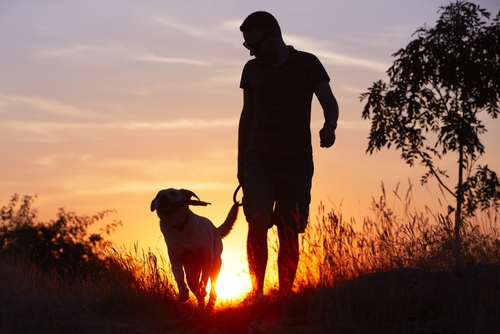
Visit Their Favorite Spot
While it may seem unbearable at first, visiting your dogs favorite spot can become a place of peace and tranquility. You can reminisce on all the great memories you shared and feel close to your dog. Even visiting once or twice a month can help with the grieving of your loss.
Cherish Everyday Like It’s The Last. Here Are 12 Signs Your Dog May Be Preparing To Cross The Rainbow Bridge.
Seek Support
Sometimes seeking support from a loved one or a professional can help immensely when it comes to grieving. You certainly don’t have to grieve alone, and if you feel like the sadness and pain is unbearable, talking to a loved one can certainly help. Sharing stories and laughs, while in the short-term may results in tears, will help to bring peace and a sense of calmness.
Maintain Routines
If you have additional animals, maintaining a routine is not only important for them, it can be helpful for you, too. Additionally, your living animals are also probably suffering from the loss of their furry sibling. So, maintaining a routine – like their walking and feeding schedules – is crucial to keeping a sense of structure and can also help you cope with the loss.

Take Care of You
When it comes to grief, humans can experience all kinds of physical side effects, such as loss of appetite or trouble sleeping. Try your best to continue eating and getting enough sleep to ensure you don’t become physically ill – although you’ll probably already feel that way. Additionally, make sure to take the time to do activities that you enjoy, like visiting friends or grabbing lunch at your favorite restaurant. Taking care of yourself is essential to the grieving process.
Try Volunteering
Because caring for your pup probably took up much of time previously, filling that void through volunteering – either at your local animal shelter or wherever else you choose – can help. While being around other animals may be difficult, it’s also a great way to mend your broken heart. Or, you can try focusing your energy on learning a new hobby or taking a class. Finding new ways to fill your time can help boost both your optimism and morale.

Gone But Never Forgotten
It’s extremely difficult to lose a family member. From waking up every day with them to sudden silence can be extremely painful – both emotionally and physically. Try using these tips to help you cope with the loss of your beloved dog. But remember, there is no right way to grieve the loss – do what feels right to you. And while the goal may be to lessen your pain now, remember that the memory of your furry friend will live on in your heart forever. Take comfort in the wonderful life you had together.
The post Dealing With The Loss Of A Dog? Here Are 10 Tips To Help You Grieve appeared first on iHeartDogs.com.
via Whisker Therapy
PACT Act Will Make Animal Cruelty A Federal Crime

It’s hard to imagine that some people don’t love their dogs like family. Unfortunately animal cruelty continues to be a huge problem all over the world.
In 2010 the House passed the Animal Crush Video Prohibition Act, which made it illegal to create videos of animals being ““intentionally crushed, burned, drowned, suffocated, impaled, or otherwise subjected to serious bodily injury.” However, the law only applies to those who make videos of their sick acts. The actual harm and torture of animals is not prohibited by the law.
The Preventing Animal Cruelty and Torture Act, or PACT Act, hopes to put an end to animal abuse by making it a felony to harm or torture animals. Florida representatives Ted Deutch, and Vern Buchanan believe that animal abusers – including those who don’t record their actions on video – should be subject to harsher penalties for their crimes.
“The purpose of the PACT Act is to strengthen the 2010 law that makes the depiction of animal cruelty a crime, but allows the cruelty itself to go unpunished. The PACT Act would make it a federal crime for “any person to intentionally engage in animal crushing if the animals or animal crushing is in, substantially affects, or uses a means or facility of, interstate or foreign commerce.”
The act will not replace the animal cruelty laws in individual states, but rather will be a “federal overlay.” Some states do already consider acts of cruelty against animals to be felonies, but others may treat them as misdemeanors. This bill will make animal cruelty a crime at a federal level, and abusers may recieve as much as 7 years in prison.
H/T: ABCActionNews.com
via Whisker Therapy
Subscribe to:
Posts (Atom)