Latest Post
Veteran’s Service Dog Attacked By Groomer – Tail Amputated
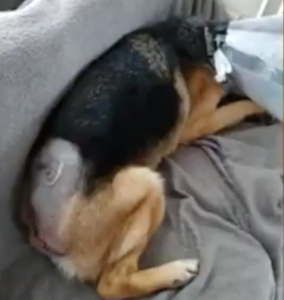
My nightmare! And I know I’m not alone. I love getting my pups groomed. Shiny, brushed-out coats. The sweet smell of perfume…until they jump into the creek. Ugh! But I always worry when I drop them off at the groomer. Somewhere, in the back of my mind, I worry. Will the groomer be nice? Do they really love dogs like I do or is it just a job to pay bills? What if Sandy, my sassy little girl, doesn’t cooperate while they’re bathing her? Will they be sweet? Or mean? Maybe even hurtful.
Brevard County Sheriff Wayne Ivey stated that the Florida groomer was arrested after he attacked a veteran Rick McGuire’s 8-year old German Shepherd service dog. The attack was so vicious that the dog’s tail needed to be amputated. The groomer, James Corell Suthann, 37, of Satellite Beach, was charged Monday with one felony count of animal cruelty.
Check Out the Brevard County Sheriff’s Office Response. Love this!!
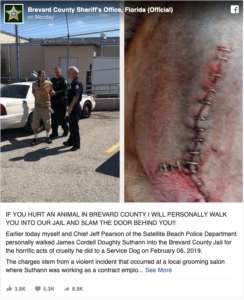
The attack occurred when TT, a veteran’s service dog, would not be still during grooming. Suthann became angry and can be seen abusing the dog. Surveillance video shows Suthann cinch the dog’s head down so tightly, she could not move. The service dog was obviously in pain. Then Suthann grabbed the dog’s tail, lifting the dog off the ground and twisting it a full 360 degrees. The damaged caused was too extensive, and the tail could not be reattached. It was later amputated.
TT was also struck in the head with a hose nozzle, according to the sheriff’s office.
Click Here to See the Full News Report
According to Sheriff Ivey, “The video is so graphic that I will not post it on Facebook, but trust me when I tell you that it is one of the most difficult things I have ever had to watch in my 39 years of law enforcement because of the horrific and cruel way the pet was treated.”
Brevard County Sheriff Wayne Ivey and Satellite Beach police Chief Jeff Pearson personally escorted James Cordell Doughy Suthann to jail following his arrest on Monday.
TT is recovering from emergency surgery to remove the injured tail said her devastated loving veteran papa who suffers from PTSD.
H/T: NBC WESH2
The post Veteran’s Service Dog Attacked By Groomer – Tail Amputated appeared first on iHeartDogs.com.
via Whisker Therapy
Your Dog's Personality Can Change Over Time

Like humans, dogs’ personalities likely change over time, according to new research.
When dog owners spend extra time scratching their dogs’ bellies, take their dogs out for long walks and games of fetch, or even when they feel constant frustration over their dogs’ naughty chewing habits, they are gradually shaping their pets’ personalities. Dogs, like people, have moods and personality traits that shape how they react in certain situations.
“When humans go through big changes in life, their personality traits can change. We found that this also happens with dogs—and to a surprisingly large degree,” says lead author William Chopik, professor of psychology at Michigan State University and lead author of the study, which appears in the Journal of Research in Personality.
via Whisker Therapy
Why Does Your Dog Eat Tissues?
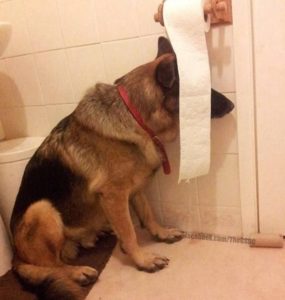
Is your dog constantly performing an at-home dumpster dive for some less than appetizing snacks? Lest you think you have the weirdest dog around, fear not, for you are not alone. Eating tissues and all sorts of other non-food items is a fairly common condition called pica. Let’s look at why your dog does this and how you can curb this distasteful appetite.

4 Possible Reasons Your Dog Eats Tissues
1. It’s Just Plain Fun
If your puppy is eating tissues or anything else she can wrap her muzzle around, it’s likely that she is simply satisfying her curiosity. Just like their human counterparts, juvenile canines learn about the world through their mouths. Biting, shredding, pawing, and eating tissues is funand comes with the bonus of teaching her new information about this place called home.
Puppies aren’t the only ones who like to party, though! Adult dogs gotta get their kicks and when bored or feeling anxious in your absence, they will find something to pass the time. Tissues and toilet paper are readily available and may even activate your dog’s ancestral hunting instinct. Expert contributor to the Canine Corner blog on Psychology Today, Stanley Coren made an interesting observationabout the behavior. He said that when dogs put tissue in their mouth it feels like feathers or fur and, therefore, activates the dog’s innate urge to rip, tear, and even eat the material.

2. It Smells Like You
Let’s face it, dogs do things that are pretty gross to us humans. Digging in the trash to eat tissues that are covered with your snot is pretty high up there on the gross continuum. Why do they enjoy this stomach-turning snack? It might be because they love you. They love you so muchthat they literally want to eat you up.
Your bodily fluids smell like you and not just the obvious armpits after a long workout variety. The part of a dog’s brain that is dedicated to deciphering olfactory information is proportionally 40 times bigger than the comparable area in a human brain. Using a comparison we can all see clearly, former director of the Sensory Research Institute at Florida State University James Walker said, “If you make the analogy to vision, what you and I can see at a third of a mile, a dog could see more than 3,000 miles away and still see as well.”
A dog’s sense of smell is insanely keen. They smell you in your used tissues, dirty underwear, and socks and because of this, they often consume them in a statement of ultimate rapture.
3. The Diet is Out of Whack
It’s commonly thought that pica is connected to a gap in nutrition that the dog is attempting to fill and the scientific community agrees. A case study published in 2017 states that this habit of eating non-food material is often caused by a mineral deficiency.
There are a staggering number of options available when it comes to dog food and it’s hard to know if you are making the best choice. If your dog seems to always be on the hunt for more, it could be that his diet is lacking in some key vitamins and minerals. Strange as it seems, rocks, dirt, paper products, wood and more are sought after in search of nutrients.

4. An Underlying Medical Condition
If you’ve ruled out other causes for your dog’s abnormal eating habits, it is possible that there is an underlying medical condition contributing to the problem. Conditions like diabetes, thyroid disease, internal parasites, and hormonal imbalances are all thought to be associated with pica.
If you suspect this to be the case with your pet, your vet can help. Blood work, stool samples, and a physical exam can help rule out or diagnose a problem that could be the root cause of this behavior.

Should I Worry About My Dog Eating Tissues?
Strictly speaking, eating anynon-food item is less than ideal for your pup’s health but you don’t need to rush to the emergency vet with the ingestion of a single tissue. If she mostly plays with tissues rather than eating them outright, you probably have nothing to worry about. Volume and size are key to the concern factor here.
Tissues are thin, soft, and will pretty much disintegrate with enough liquid. In small amounts, your pup will probably just pass these pieces through her body. However, a more varied palette for non-food items is definitely cause for concern.
The problem is that without the ability to be broken down and digested, these foreign objects can cause a gastrointestinal blockage. That means a great deal of pain followed by surgery to remove the blockage. Paper products like tampons, pads, and even paper towels are big enough to really mess things up in your dog’s bowels.
If your dog is acting sick, doesn’t want to eat, vomits repeatedly, and just doesn’t seem herself trust your gut. Get her checked out by your vet.

How to Stop My Dog from Eating Tissues
Naturally, if you aren’t completely sure what is causing a behavior, finding a solution proves tricky. However, the good news is that there are a few common sense steps you can take to control the behavior.
- Make sure your dog has a variety of safe toys that combat boredom. Treat puzzles are an engaging way to keep your pup occupied. These toys can also boost your dog’s IQ. And fight boredom.
- Limit your dog’s access to tissues, especially when you aren’t home. Make a habit of keeping bathroom doors closed and use trash cans with a pup-proof lid.
- Spend uninterrupted daily time with your pooch so they can soak you up in more healthful ways. Go for a walk, snuggle on the couch, or throw the ball around. A little bit of love goes a long way.
- If an imbalanced diet is to blame, consider widening the variety of food your dog eats. Eating only dry dog food is sort of like humans eating nothing but fortified breakfast cereal. CEO and Chief Editor at Web-DMV, Roger Welton saysthat dogs are omnivores and should be fed as such. Incorporating meat, bone broth, and dog-safe fruits and vegetables can help provide needed nutrients.
- Consider seeking medical help from your vet to rule out contributing illness or parasites.
We are nothing if not entirely devoted to our fine furry friends, even when they do things that make us wrinkle our noses in disgust. If your dog has a problem eating tissues, try some of the solutions we presented here. Maybe you will succeed in helping your buddy kick the habit for good!
The post Why Does Your Dog Eat Tissues? appeared first on iHeartDogs.com.
via Whisker Therapy
9 Myths About Dog Aggression
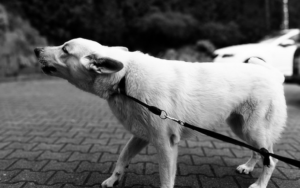
There’s no denying the fact an aggressive dog is potentially dangerous. It’s a problem that requires attention from a professional dog behaviorist, but there’s a lot more to canine aggression than most people realize. Aggression is one of the most common behavioral issues seen in dogs, and it’s one of the top reasons why dogs are euthanized and surrendered to shelters. Coincidentally, it’s also one of the most misunderstood topics in the dog world. We’re here to clear the air and dispel these common myths about dog aggression.
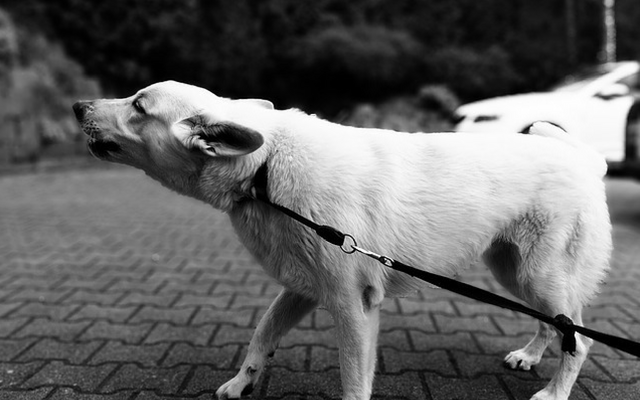
1. A “good” dog is a dog that’s never aggressive.
Similar to a tail wag or shake off, aggressive behavior is a completely normal form of canine communication. Your dog can’t come out and tell you when they’re scared, frustrated, or angry, and lashing out is their desperate attempt to make you understand. Growling, barking, snapping, and even biting are all typical ways in which dogs settle conflicts. Even “good dogs” that excel in obedience class and love spending time with people have been known to occasionally resort to aggression. PetCoach explains it well by saying,
“Expecting your dog to never do any of these things [showing aggression], no matter what happens, is a bit like expecting a person to go through life without ever having a single disagreement or argument with someone else–not very realistic in either case!”
2. Aggression happens out of the blue.
When people say a dog attacked them “out of nowhere,” all they’re really saying is they weren’t paying attention to the dog’s body language. Dogs almost never attack without warning. (The one exception is if the dog has a mental condition that impairs cognitive function.) A dog’s aggressive behavior is always in response to a trigger, and once you know what that trigger is, you can learn to expect their reaction. Contrary to popular belief, dogs are quite good at communicating their discomfort in non-aggressive ways. The issue is, humans are’t good at reading those signals before the situation escalates.
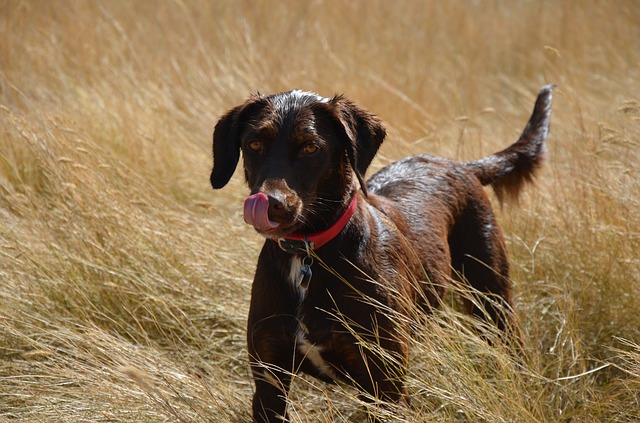
Before a dog attacks, their body language reflects what they’re thinking. Yawning, licking their lips, and refusing to look directly at someone are all signs of a stressed out dog. They take on a “frozen” posture where their body is rigid and their eyes are wide and unblinking. The signs might be subtle to the human eye, but when you know what to look for, aggression is one of the most predictable dog behaviors there is.
3. An aggressive dog is always an aggressive dog.
Many people think that once a dog shows signs of aggressive behavior, they’re no longer safe to be around. This kind of assumption is what lands countless healthy, friendly dogs in shelters and on euthanasia lists. A dog might growl at a groomer who comes at them with nail clippers, but that kind of fear aggression doesn’t usually translate into other parts of the dog’s life.
In this instance, context is key. Once the trigger is removed (in this case the trigger is the groomer brandishing nail clippers), most dogs will go back to being their normal, friendly selves. They’re aggressive around nail clippers because they’ve developed a negative association with having their nails trimmed, but they have no problem with interacting with people on a normal basis. Their aggression doesn’t define them, and they don’t deserve to be given up because of the misunderstanding that is does.
4. All aggression is the same.
Aggression in dogs is generally understood as a set of behaviors meant to threaten or harm another animal or person. It usually starts with a warning, like growling or snapping, and escalates into a dangerous physical confrontation. The physical actions might be the same from one dog to the next, but that doesn’t mean all dog aggression is the same.
There are actually several different kinds of canine aggression including frustration-elicited aggression, fear aggression, territorial aggression, predatory aggression, defensive aggression, and pain aggression. To determine what kind of aggression a dog is displaying, think about what happened immediately before the attack, what/who bore the focus of the aggression, and what seemed to stop it. The only way to help a dog work through their behavioral issues is to understand what caused it in the first place. ASPCA says,
“A beneficial scheme for understanding why your dog is aggressive is based on the function or purpose of the aggression. If you think of aggression this way, you can determine what motivates your dog to behave aggressively and identify what she hopes to gain from her behavior.”
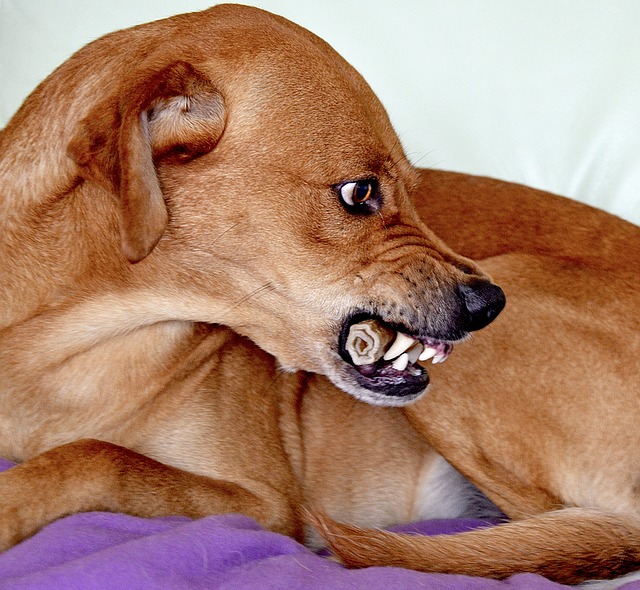
5. Aggressive dogs are born that way.
It’s true some dogs have genetic makeups that make their personalities more assertive than others, but that rarely translates into aggression. People like to blame nature for a dog’s aggressive behavior, but the truth is, domestic dogs are not inherently aggressive toward people. Aggression is something they learn through life experiences. Some do it as a defense mechanism to keep potential threats at bay, and others resort to growling and snapping because of specific events that transpired in the past. Either way, something had to happen to make them believe lashing out is the best/only solution to a particular problem.
6. Certain breeds are more aggressive than others.
Today it’s pit bulls, and in the past, Rottweilers, Dobermans, Mastiffs, and even German Shepherds have all suffered under the scrutiny of misguided stereotypes. There have been countless scientific studies on the topic proving aggressive behavior is just as likely in “family-friendly” breeds as it is for the breeds most often banned in cities and public housing. The incorrect idea that there are aggressive dog breeds leaves countless dogs abandoned in shelters and mistreated by people who don’t understand them. If you’re still not convinced, read this study published in ScienceDirect. It says,
“These data suggest that although general characteristics of dogs and owners may be a factor at population level, it would be inappropriate to make assumptions about an individual animal’s risk of aggression to people based on characteristics such as breed.”
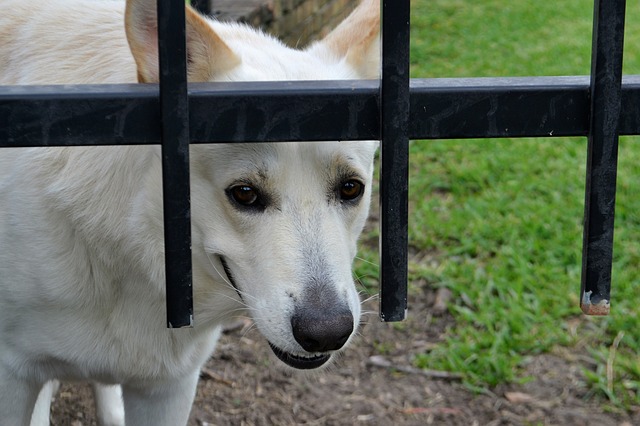
7. Aggression is only a problem in big dogs.
If you’ve ever had your ankles nipped by a feisty Chihuahua, you already know small dogs are just as likely to be aggressive as big dogs. Small breed dogs often have a problem called “Napoleon Syndrome.” It’s not an actual medical condition, but it’s what happens when small dogs overcompensate for their stature by lashing out with aggression.
It’s true a bite from a small dog won’t do as much damage as a bite from a big dog, but that doesn’t mean small dog aggression doesn’t matter. Too many small dog owners think it’s cute when their little dog “acts all tough.” But bites from small dogs always hurt, and there’s the chance they can become infected. Not addressing the issue of aggression in a small breed dog isn’t helping the dog, and it’s definitely not helping your ankles.
8. Dominance leads to aggression.
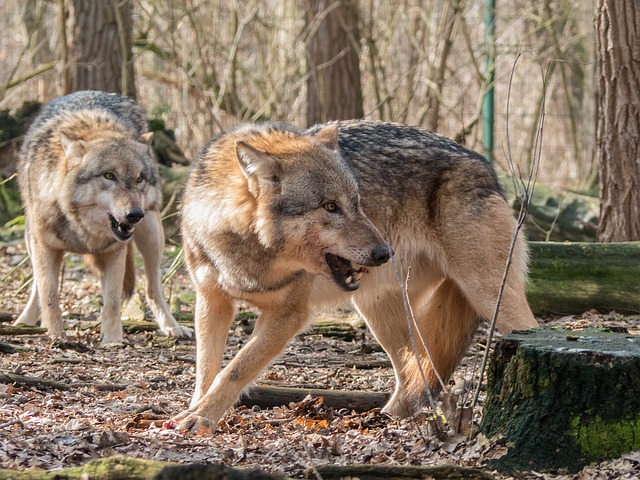
In the late 1900s, researchers thought they had a solid theory concerning canine dominance. They looked at how captive wolves interacted with each other and took notes on pack structure. When the study was finished, scientists made the assumption that because dogs are descended from wolves, domestic dogs must behave similarly to the wolves in the study. It became widely accepted that “dominant” dogs use force to dethrone those that threaten their status just like the captive wolves did.
The issue, however, is those scientists were wrong. It has since been proven that domestic dogs do not behave the same as captive wolves, and so-called “dominant” behavior does not lead to aggression. That mistake has since been recognized, but it’s lead to a misunderstanding about what dominance actually means when it comes to dogs. Australia Veterinary Behaviour Interest Group is working to set the record straight and says,
“It is not accurate to describe a dog as having a dominant personality. The word should only ever be used to describe a single interaction between two individuals competing for a resource such as a piece of food or a toy. One dog will usually give up the contest and leave the resource for the other. In that situation, the individual who wins is dominant.”
9. Dogs should be punished for showing aggression.
When a dog growls, lunges, or snaps, many people jump to doing what they think is the most appropriate reaction: punishment. What they actually end up doing, however, is making the problem worse. Scolding and hitting a dog that is obviously already afraid, nervous, or uncomfortable will push their emotions even further into the red. A study done in 2009 found that when hit or kicked, 43% of dogs respond with more aggression, and using any kind of confrontational training tactic usually results in an increase in aggression.
It’s important to remember that aggressive actions are a form of communication, and by growling or even biting, your dog is trying to tell you something. Dog trainers including Victoria Stilwell recommend using a combination of positive reinforcement and environmental management to help a dog overcome whatever it is that’s making them feel like aggression is the right thing to do.
The post 9 Myths About Dog Aggression appeared first on iHeartDogs.com.
via Whisker Therapy
Subscribe to:
Posts (Atom)