Latest Post

Does your Lab have a few extra pounds they need to lose? You’re not alone. Members of our I Love My Lab Facebook community recently shared their insights on the following question: What food would you recommend for an overweight Lab? We received hundreds of helpful replies and below have compiled some of the best responses.
Always remember to consult your veterinarian before making any health changes to your lab’s diet, especially if they are overweight, and may have other related health issues. iHeartDogs is reader supported, so some of the links below may be affiliate links where we receive a small commission at no additional cost to you.25 Best Dog Foods for a Lab That Needs to Lose Weight

25 Best Dog Foods for a Lab That Needs to Lose Weight

I used to cook up a large stew of meat and heaps of vegetables this would last about three nights and I would cook it again, for breakfast they would have dry food, a carrot which they loved for a snack and a large bone occasionally to chew on, they both lived until 14 never had to go to the vets, only for their needles, they were never overweight.

Author: Robyn B.

Likes: 27


I’ve use both Pro Plan Weight Management Chicken and Rice and Nutro Large Breed Weight Management.

Author: Liz W.

Likes: 16


I have the same problem. So a vet I used in CA said boil chicken white rice and spinach and other veggies he said chicken breast as it is lower in fat. I add a little kibble about half a cup and mix I pour a little of the water I boiled the breast in. I know it is costly but Mr Man has gone from 125 to 105 in 7 weeks and walks sooo much better

Author: Kris O.

Likes: 12


Our Chocolate Lab eats Nutro lamb/rice – he loves salads too, except carrots, celery, spinach. I make his ice cream- 32 oz. Vanilla yogurt, 1 TBSP natural peanut butter, 1 banana- mix together freeze 1/2 cup portions. Bedtime treat

Author: Pat L.

Likes: 7


Boiled white rice with boiled chicken (no skin). With some grated carrot or chopped lettuce or green beans or a mixture of all three. Very ‘clean’ and low fat meals. If they like treats throughout the day, use fresh or frozen carrots. Our Labs have always liked these. . Good luck with helping them lose weight, it’s very important for their wellbeing*. *1kg dog weight = 10kg in human weight

Author: Marlon K.

Likes: 22


I know the answer! It is called FROMM weight management. That is the only food we have given our dogs and their weight, skin and health has been great. No itchy skin, ect.

Author: Rosanna Ruocco S.

Likes: 17


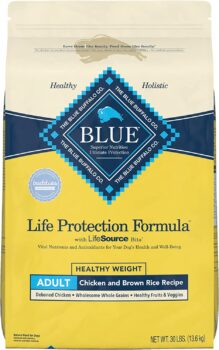
Our lab was overweight and we put her on blue buffalo weight control. We gave her a cup and a half in the morning and the same at at night. She loved the food and lost 19 pounds. The vet didn’t want her over 100 and she was 96. We got her down to 77 pounds. Our lab was food driven so had no problem with the food. Good luck. I know it’s hard but it really helps to get the weight off their hips.

Author: Terry S.

Likes: 23


Hill’s Science Diet Weight Management. Worked great for my rescue dog

Author: Sonja Joy G.

Likes: 10


Our lab is almost 10 he lost 20 pounds we gave him Merrick salmon and sweet potato and as fruits and vegetables in it it’s a peach bag and they both love it and also the vet said throw some green beans in there canned I used to do carrots but I don’t anymore but they do love the green beans I used to give Miles three biscuits and his food in the morning and one scoop at night I cut down on his dry food and give him only one biscuit a day. But I also get to food at Petsmart.

Author: Crissy W.

Likes: 6


I’ve had both a lab and golden needing diets in the past… that lab was on Beneful Healthy Weight and replace 1 cup of food with 1 can of no salt string beans. Worked for both of them… not as much to get to that goal weight but both got to healthy weight. Good luck!

Author: Stefanie T.

Likes: 0


Make your own dog food. I used chicken or turkey. Sweet potatoes, rice, veggies and put it through the meat grinder. I buy what veggies that happen to be on sale. You can make it for a week and while you make your dog food, you can make a stew for your family, I used the slow cooker. Use your imagination. It’s really fun if you prepare your family dinner as well. But, I’ve put my mom’s old meat grinder to good use.

Author: Nancy L.

Likes: 0


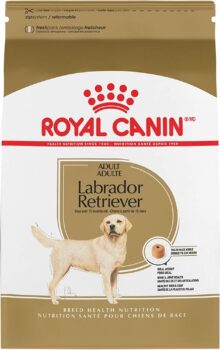
We have the best luck with Royal Canin for labradors. 2 of the three labs lost weight. It also was great for our older lab who had a sensitive tummy-settled it down. Once we saw her tummy issues settle, she was more active and lost weight. Our third lab was a sweet rescue-this food helped with coat and a sensitive tummy too!

Author: Cindi G.

Likes: 1


Royal Canin Satiety Support is what worked for my boys. Both lost approx. 20lbs over a 3-4 mth time period. They were never hungry and still enjoyed their baby carrots and Milk Bone Mini’s as treats.Usually available thru your vet and also available thru Chewy . It became their permanent food and they kept the weight off. Good luck

Author: Marjorie F.

Likes: 3


Fromm weight management Burt has lost 7 pounds so far & I have tried tons food He gets very little kibble 3/4 c 2x day ,mainly green beans chicken dinner Snacks on whole green beans no salt added in can Good luck I’m still working at it!

Author: Mary B.

Likes: 2


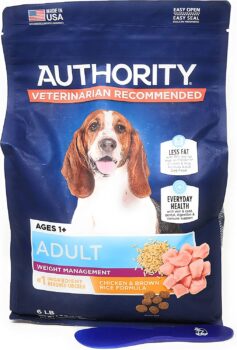
We feed Authority adult Weight management and my dog lost over 20lbs. You can get at PetSmart it is their brand of food

Author: Diane D.

Likes: 0


Pet fresh, the 6 lb log is what we used for our lab, and still use for our two old rescues. My lab was overweight and diabetic, He lost weight and it really helped him within about 6 weeks.

Author: Jan Reeder S.

Likes: 2


My Vet recommended Purina One Healthy Weight. My dogs like it and have lost weight.

Author: Christy S.

Likes: 0


Have you ever tried Stella dehydrated and frozen foods? We absolutely love it for our Mossy girl

Author: Melissa P.

Likes: 0


My labs eat a grain free lamb and sweet potato dog food. I feed 1 cup dry food with 1/2 cup SALT-FREE green beans 2x a day. My big guy lost 10 over the course of a year. He now weighs 80# which is perfect for his senior body. Vet was very pleased.

Author: Tricia P.

Likes: 1


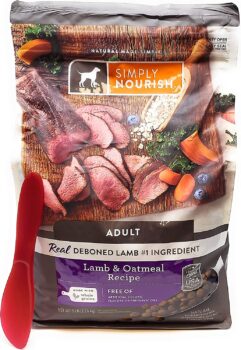
My 2 labs get 3 cups of Simply Nourish daily and we went to small treats a couple times a day. They also get pieces of banana and green beans when we have them. During hunting season they get a high energy food and it’s then 4 cups

Author: Jon L.

Likes: 0


My dog has 1 1/2 cups of dry food Nature’s Recipe and a half can green beans. Twice a day. Keeps his weight down. Used to have a black lab and he lost several pounds eating this, and he was diabetic. This was recommended by my vet

Author: Anne C.

Likes: 0


My lab just started his diet! He was on 3 cups of Purina pro plan sensitive skin and stomach, salmon flavor. The vet recommended 1 cup 2x daily plus .5 cup of pet safe veggies 2x daily mixed in with each meal. We do mostly frozen green beans, with a little frozen peas and broccoli. Nuked in the microwave in a little water.

Author: Ashley Lynn R.

Likes: 0


Our vet recommended 1 cup dry and lots of fruits and veggies. So, every morning he got his dry food, with blackberries, blueberries, raspberries and strawberries a few of each and at dinner sweet Potato puree. When we adopted him his weight was 85 but he got down to 60 and the vet was happy. I would buy a sweet potato, boil it on Sunday then mashed it up and he had it all week.

Author: Tammi G.

Likes: 1


My lab is 13 and never had a weight problem. Lots of exercise when she was younger but as she aged and less active she still maintains her bikini body . Only have fed her Natural Balance Potato & Duck. Other flavors are available. Our Pittie-Mix is on the same food (7 years old) and she is at a healthy weight.

Author: Brandon B.

Likes: 0


In conclusion, providing an obese Lab with the right diet is crucial to ensure their journey towards a healthier weight is both enjoyable and effective. By focusing on high-quality protein sources, low-glycemic carbohydrates, and essential nutrients, you can support your dog’s weight loss while maintaining their overall health. Always consult with your veterinarian before making any significant changes to your pet’s diet. With patience, dedication, and the right food choices, your beloved Lab will be well on their way to achieving a leaner, happier, and more energetic life. Embrace the journey together for a stronger bond and a healthier future.
iHeartDogs is reader supported, so some of the links above may be affiliate links where we receive a small commission at no additional cost to you.

The post 25 Best Foods for an Overweight Lab appeared first on iHeartDogs.com.


via Whisker Therapy

iHeartDogs is reader supported. Some of the links below may be paid affiliate links, where we receive a small commission on a product at no additional cost to you. 

If you own a Shiba Inu, you may have experienced the challenge of resource guarding behavior. Resource guarding can be dangerous not only for the dog but also for the people and other animals around them. It is important to understand the signs of resource guarding and how to stop this behavior. In this article, we will discuss ways to stop a Shiba Inu from resource guarding. While every dog is different and requires individualized training techniques, these general tips can help prevent resource guarding in your Shiba Inu and promote a happier and healthier relationship between you and your pet.

Note: Resource guarding can be a challenging problem for a dog owner. In addition to the tip below, you may want to consider consulting the help of a professional. Two excellent online courses we reviewed for resource guarding are SpiritDog and K9 Training Institute.

1. Understand What’s Triggering Your Shiba Inu’s Resource Guarding

The first step in addressing resource guarding is to identify the specific triggers causing your Shiba Inu to display this behavior. Observe your Shiba Inu closely and take note of which resources they guard and under what circumstances. Common triggers include:

  • The presence of other dogs or pets
  • Approach of family members, especially children
  • Sudden movements or loud noises near the guarded resource

Understanding the triggers allows you to manage the environment effectively, preventing incidents before they occur.

2. Desensitization and Counter-Conditioning Your Shiba Inu Against Resource Guarding

Desensitization and counter-conditioning are powerful techniques to help your Shiba Inu overcome resource guarding. Desensitization involves gradually exposing your dog to the triggering situations, starting with low-intensity encounters and gradually increasing the intensity. Counter-conditioning, on the other hand, involves teaching your dog to associate the presence of the trigger with positive experiences.

For example, if your Shiba Inu guards their food bowl when approached, start by standing a considerable distance away while they eat. Gradually decrease the distance over time, rewarding your dog with praise or treats when they remain calm. This process helps your dog associate your presence near their food with positive outcomes, reducing their need to guard the resource.

3. Teach Your Shiba Inu the “Leave It” Command

Training your Shiba Inu to respond to the “leave it” command is essential in addressing resource guarding. This command tells your dog to release whatever they’re holding or to stop focusing on a particular item. To teach this command:

  • Hold a treat in your closed hand and present it to your Shiba Inu.
  • When your dog sniffs or paws at your hand, say “leave it.”
  • Once your dog stops trying to get the treat, praise them and reward them with a treat from your other hand.
  • Gradually progress to using the command with other objects, such as toys or food bowls.

Using the “leave it” command consistently can help prevent resource guarding incidents before they escalate.

4. Teach Your Shiba Inu the “Drop It” or “Give” Commands

Similar to the “leave it” command, teaching your Shiba Inu to “drop it” or “give” is crucial in managing resource guarding. These commands instruct your dog to release an item from their mouth or willingly give it to you. To teach these commands:

  • Start by playing with a toy your dog likes but doesn’t typically guard.
  • While your dog is holding the toy, say “drop it” or “give” and offer a high-value treat.
  • When your dog releases the toy, praise them and give them the treat.
  • Gradually progress to using the command with more valuable items.

5. Practice the “Trade-Up” Technique with Your Shiba Inu

    The “trade-up” technique involves offering your Shiba Inu a higher-value item in exchange for the one they’re guarding. This method teaches your dog that surrendering a resource can lead to better rewards, reducing their need to guard. Practice this technique by offering a high-value treat or a favorite toy whenever your dog is guarding a less valuable item. Over time, your dog will learn that giving up a guarded resource is a positive experience.

    6. Avoid Punishing Your Shiba Inu

    Punishing your Shiba Inu for resource guarding can exacerbate the problem and lead to increased aggression. Instead, focus on positive reinforcement and reward-based training to modify your dog’s behavior. By consistently rewarding your dog for desired behaviors, you reinforce the idea that there’s no need to guard resources, as good things happen when they share or relinquish them. Remember that patience and consistency are key when working with a dog that displays resource guarding behaviors.

    7. Try an Online Training Program for Resource Guarding

    If your Shiba Inu’s resource guarding behavior is severe or doesn’t improve with consistent training, it’s crucial to consult a professional dog trainer or behaviorist. These experts can help identify the root cause of the issue and create a tailored training plan to address the problem effectively. In some cases, medical issues or anxiety may contribute to resource guarding, and a veterinarian or veterinary behaviorist can help diagnose and treat these underlying conditions.

    Our 2 favorite online courses are:

    1. SpiritDog’s “Stop Resource Guarding” Course

    The Stop Resource Guarding training course, attended by 243 students, consists of 42 comprehensive lessons that teach you science-based, fear-free techniques to help your dog trust you around their treasures and train a solid “Drop It” cue. With lifetime access, step-by-step instructions, and a certificate upon completion, this course will transform your relationship with your dog and eliminate resource guarding behaviors.

    2. K9 Training Institute’s “Dog Masterclass”

    More than just a resource guarding course, this more comprehensive training course tackles any behavior problem you might face with your dog.

    3 Signs Your Shiba Inu is Resource Guarding

    Here are three signs that your Shiba Inu may be resource guarding:

    1. Growling or snarling: If your Shiba Inu growls or snarls when you approach them while they’re eating, playing with a toy, or near their bed or favorite spot, it may be a sign of resource guarding.
    2. Stiff body language: A dog that is resource guarding may have a stiff, tense body posture and may stare intently at the object they are guarding.
    3. Biting or snapping: In some cases, a Shiba Inu that is resource guarding may escalate to biting or snapping if they feel their resource is being threatened.

    In conclusion, resource guarding can be a serious issue for both the dog and their owners. It’s important to recognize the signs of resource guarding in your Shiba Inu and take action to address the problem. While there is no one-size-fits-all solution to resource guarding, there are several effective strategies that can help mitigate the behavior. Consulting with a professional trainer or behaviorist can be a great place to start, as they can provide personalized guidance and support. With patience, consistency, and positive reinforcement, it is possible to overcome resource guarding in your Shiba Inu and create a happier, healthier relationship with your furry friend.

    Note: Resource guarding can be a challenging problem for a dog owner. In addition to the tips above, you may want to consider consulting the help of a professional. Two excellent online courses we like for resource guarding are SpiritDog and K9 Training Institute.

    The post 7 Strategies to Stop Your Shiba Inu’s Resource Guarding appeared first on iHeartDogs.com.


    via Whisker Therapy

    iHeartDogs is reader supported. Some of the links below may be paid affiliate links, where we receive a small commission on a product at no additional cost to you. 

    Resource guarding can be a challenging behavior in dogs, and Collies are no exception. It can range from growling or snapping when someone approaches their food or toy, to more aggressive behavior when they feel their resources are threatened. This behavior can lead to tension and conflict in the household, and it’s essential to address it promptly. Understanding the signs of resource guarding is crucial in identifying the issue in your Collie. In this article, we will discuss the signs of resource guarding and explore some general ways to stop this behavior in Collies.

    Note: Resource guarding can be a challenging problem for a dog owner. In addition to the tip below, you may want to consider consulting the help of a professional. Two excellent online courses we reviewed for resource guarding are SpiritDog and K9 Training Institute.

    1. Understand What’s Triggering Your Collie’s Resource Guarding

    The first step in addressing resource guarding is to identify the specific triggers causing your Collie to display this behavior. Observe your Collie closely and take note of which resources they guard and under what circumstances. Common triggers include:

    • The presence of other dogs or pets
    • Approach of family members, especially children
    • Sudden movements or loud noises near the guarded resource

    Understanding the triggers allows you to manage the environment effectively, preventing incidents before they occur.

    2. Desensitization and Counter-Conditioning Your Collie Against Resource Guarding

    Desensitization and counter-conditioning are powerful techniques to help your Collie overcome resource guarding. Desensitization involves gradually exposing your dog to the triggering situations, starting with low-intensity encounters and gradually increasing the intensity. Counter-conditioning, on the other hand, involves teaching your dog to associate the presence of the trigger with positive experiences.

    For example, if your Collie guards their food bowl when approached, start by standing a considerable distance away while they eat. Gradually decrease the distance over time, rewarding your dog with praise or treats when they remain calm. This process helps your dog associate your presence near their food with positive outcomes, reducing their need to guard the resource.

    3. Teach Your Collie the “Leave It” Command

    Training your Collie to respond to the “leave it” command is essential in addressing resource guarding. This command tells your dog to release whatever they’re holding or to stop focusing on a particular item. To teach this command:

    • Hold a treat in your closed hand and present it to your Collie.
    • When your dog sniffs or paws at your hand, say “leave it.”
    • Once your dog stops trying to get the treat, praise them and reward them with a treat from your other hand.
    • Gradually progress to using the command with other objects, such as toys or food bowls.

    Using the “leave it” command consistently can help prevent resource guarding incidents before they escalate.

    4. Teach Your Collie the “Drop It” or “Give” Commands

    Similar to the “leave it” command, teaching your Collie to “drop it” or “give” is crucial in managing resource guarding. These commands instruct your dog to release an item from their mouth or willingly give it to you. To teach these commands:

    • Start by playing with a toy your dog likes but doesn’t typically guard.
    • While your dog is holding the toy, say “drop it” or “give” and offer a high-value treat.
    • When your dog releases the toy, praise them and give them the treat.
    • Gradually progress to using the command with more valuable items.

    5. Practice the “Trade-Up” Technique with Your Collie

      The “trade-up” technique involves offering your Collie a higher-value item in exchange for the one they’re guarding. This method teaches your dog that surrendering a resource can lead to better rewards, reducing their need to guard. Practice this technique by offering a high-value treat or a favorite toy whenever your dog is guarding a less valuable item. Over time, your dog will learn that giving up a guarded resource is a positive experience.

      6. Avoid Punishing Your Collie

      Punishing your Collie for resource guarding can exacerbate the problem and lead to increased aggression. Instead, focus on positive reinforcement and reward-based training to modify your dog’s behavior. By consistently rewarding your dog for desired behaviors, you reinforce the idea that there’s no need to guard resources, as good things happen when they share or relinquish them. Remember that patience and consistency are key when working with a dog that displays resource guarding behaviors.

      7. Try an Online Training Program for Resource Guarding

      If your Collie’s resource guarding behavior is severe or doesn’t improve with consistent training, it’s crucial to consult a professional dog trainer or behaviorist. These experts can help identify the root cause of the issue and create a tailored training plan to address the problem effectively. In some cases, medical issues or anxiety may contribute to resource guarding, and a veterinarian or veterinary behaviorist can help diagnose and treat these underlying conditions.

      Our 2 favorite online courses are:

      1. SpiritDog’s “Stop Resource Guarding” Course

      The Stop Resource Guarding training course, attended by 243 students, consists of 42 comprehensive lessons that teach you science-based, fear-free techniques to help your dog trust you around their treasures and train a solid “Drop It” cue. With lifetime access, step-by-step instructions, and a certificate upon completion, this course will transform your relationship with your dog and eliminate resource guarding behaviors.

      2. K9 Training Institute’s “Dog Masterclass”

      More than just a resource guarding course, this more comprehensive training course tackles any behavior problem you might face with your dog.

      3 Signs Your Collie is Resource Guarding

      1. Growling or snapping: If your Collie is growling or snapping at you or other dogs when near their food or toys, this may be a sign of resource guarding.
      2. Tension around resources: If your Collie stiffens up or becomes tense when you approach them while they have a toy or food, this may also indicate resource-guarding behavior.
      3. Possessiveness: Your Collie may become possessive over toys, food, or other resources and refuse to share or give them up.

      It’s important to recognize these signs early on and take steps to prevent or manage resource guarding behavior to ensure a happy and safe environment for both you and your furry friend.

      In conclusion, resource guarding is a common issue among many dog breeds, including Collies. If you suspect that your Collie is resource guarding, it is important to address the issue as soon as possible. Without proper intervention, resource guarding can escalate and become a dangerous problem. However, it is possible to overcome resource guarding with the right approach and training. By working with a professional trainer or behaviorist and implementing appropriate management strategies, you can teach your Collie to feel more comfortable sharing resources and prevent the development or escalation of resource guarding behavior. Remember to always approach resource guarding with patience, consistency, and positive reinforcement techniques.

      Note: Resource guarding can be a challenging problem for a dog owner. In addition to the tips above, you may want to consider consulting the help of a professional. Two excellent online courses we like for resource guarding are SpiritDog and K9 Training Institute.

      The post 7 Strategies to Stop Your Collie’s Resource Guarding appeared first on iHeartDogs.com.


      via Whisker Therapy

      the best snout soother for your Weimaraner
      iHeartDogs is reader-supported. When you buy via links on our site, we may earn an affiliate commission at no extra cost to you.

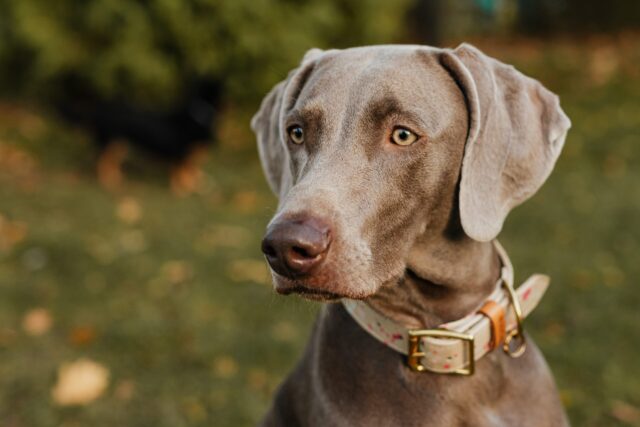
      Can your furry friend benefit from the best snout soothers for Weimaraners? Dogs are known for their extraordinary sense of smell because of their remarkable noses. Unlike humans or any other mammal, dogs have the capability of smelling things from afar, sometimes up to 12 miles away. However, if your Weimaraner is suffering from a dry or chapped nose, their sense of smell may worsen.

      Many Weimaraners suffer from crusty or dry snouts, so the best solution is to moisturize and nourish them. We selected ten of the best snout soothers for Weimaraners that you can use to heal your pup’s nose and relieve their discomfort.

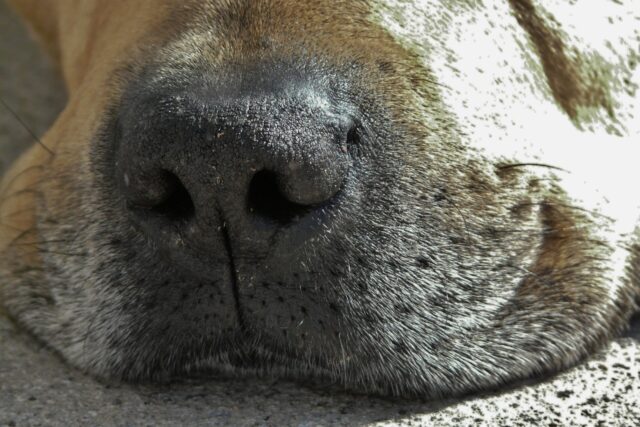
      Dry dog nose close-up

      Best Snout Soothers for Weimaraners

      [affiliatable id=’161677′]

      Dry or cracked snouts can be irritating for your Weimaraner and will disturb their sense of smell. To cure this, you need a snout soother that will give them instant relief while deeply moisturizing their snout. The Natural Dog Company has one of the best snout soothers on the market. It can be used on paws and noses, and it protects from dryness while simultaneously moisturizing the skin. Additionally, this snout soother is effective on Weimaraners of all ages but is ideal for adult dogs. It only includes natural and organic ingredients like jojoba oil, grapeseed oil, chamomile, and shea butter.

      [affiliatable id=’161678′]

      The Nozzle Nectar Dog Nose balm is purely organic and does its job well. This balm not only protects from dryness and cracked noses but also heals and deeply moisturizes the skin. With only organic ingredients used, this balm has beeswax, olive oil, shea butter, hemp seed oil, avocado oil, almond oil, and coconut oil, all known for their extraordinary nourishing properties. This balm is safe to use on all dogs and doesn’t include anything that might harm your Weimaraner.

      [affiliatable id=’161679′]

      Burt’s Bees is a reputable name in the pet skincare industry, so they developed this all-natural paw and nose lotion to cure your Weimaraner’s dry skin discomfort. This paw and nose lotion has a light creamy consistency and is easy to apply to your Weimaraner. With ingredients like jojoba and rosemary, it quickly heals and nourishes dry or cracked noses. Furthermore, it’s free from sulfates and is completely safe to use on Weimaraners of all ages. This lotion can effectively moisturize your pet’s nose and paws while relieving the discomfort caused by dryness.

      [affiliatable id=’161680′]

      This nose butter by The Blissful Dog is enriched with shea butter and is proven to get rid of dry or cracked noses. It can moisturize and soften your Weimaraner’s skin with its hydrating ingredients, which can relieve the pain of an itchy nose. Additionally, this nose butter is easy to apply and lasts long. It’s made with all-natural ingredients and is non-toxic. Thus, it’s safe if your Weimaraner licks it off, and you can apply more as needed. When buying it, you can choose which dog breed you’d like to appear on the container.

      [affiliatable id=’161682′]

      One of the causes of a cracked or itchy nose can be sunburn. This multi-purpose nose balm by My Dog Nose It! is not only a healing balm for your Weimaraner’s dry nose because it also works like sunscreen. It has SPF to protect your Weimaraner from harmful sun rays. This moisturizing balm is ideal for all ages and includes nourishing natural ingredients like coconut oil. This nose balm is safe, non-toxic, and effectively heals and hydrates your dog’s cracked nose. Human sunscreen is toxic for Weimaraners, so this is the pet-safe option.

      [affiliatable id=’161683′]

      Many Weimaraner parents find stick balm containers easier to use than tin ones, so this organic nose balm is a great choice in that scenario. Pure and Natural Pet has developed this nose product to relieve your Weimaraner’s discomfort and ease the pain of a dry or itchy nose. Formulated with only organic oils, this snout soother is free from fragrance and harmful chemicals. It’s safe and non-toxic for all dog breeds and suitable for all ages. It efficiently nourishes your Weimaraner’s irritated nose, and the organic oils heal and restore dry skin.

      [affiliatable id=’161684′]

      The 4Legger nose and paws healing balm can help you prepare for the dry skin winter brings. This balm will work like magic on your Weimaraner’s dry nose and paws caused by cold weather. By using only natural and organic USDA-certified ingredients, this balm is safe if accidentally ingested by your Weimaraner. It doesn’t include any harmful chemicals and is non-toxic. It works effectively against dry, itchy, or bleeding noses by deeply moisturizing and hydrating the skin for quicker healing. Additionally, this balm is rich in organic ingredients like shea butter and hemp oil. It’s proven to relieve conditions like folliculitis, alopecia, dermatitis, and hyperkeratosis.

      [affiliatable id=’161686′]

      Healthy Breeds has developed this nose balm to relieve your Weimaraner’s pain caused by an itchy or cracked nose. With the use of natural oils, beeswax, and shea butter, this nose balm soothes, moisturizes, and restores dry skin. It’s 100% organic and non-toxic, meaning your Weimaraner can safely lick it without any consequences. Additionally, it’s free from fragrance, heals quickly, and offers a lasting effect. When buying it, you can choose what dog breed you want to appear on the container.

      [affiliatable id=’161687′]

      The Bodhi Dog organic nose balm is one of the safest choices to heal and moisturize cracked noses. It only includes natural and organic ingredients like jojoba oil, olive oil, beeswax, and shea butter. This balm is proven effective against bleeding, cracked, or irritated noses. It’s safe and non-toxic, meaning your Weimaraner can lick it off without getting sick. Additionally, it quickly heals and soothes your Weimaraner’s skin, leaving them soft and moisturized.

      [affiliatable id=’161688′]

      Weimaraners can get moody because of their irritated or cracked snouts. In such situations, all you want is a magic trick to relieve your Weimaraner from distress. The Snout Magic company knows how your Weimaraner feels and has remedied the situation by developing this dog nose butter. This nose butter is made with only organic and natural ingredients and is recommended by vets. You can safely use this on dogs of all breeds and ages. This nose butter alleviates the symptoms of a dry or itchy nose caused by hyperkeratosis and heals the skin quickly.

      Factors To Consider

      Ingredients

      While searching for the best snout soother for Weimaraners, the first thing to check is the ingredients list. A nose balm should not contain any harsh chemicals that may further irritate their skin or cause stomach problems if ingested. Ingredients like castor oil should be avoided because even though it’s good for the skin, it’s not safe to swallow. Similarly, it’s advised to choose natural balms that only use organic ingredients since they’ll be better at healing and won’t have any risks involved.

      Texture

      Snout soothers come in a variety of packaging and textures. You can get nose butter, nose balm, or nose lotion, and some even come as a stick. Which one you choose depends on what you prefer. The smoother and softer the consistency, the easier it will likely be to apply.

      Scent

      Usually, having a fragrance in anything is considered a plus, but not for nose balms. Since snout soothers need to be applied directly to your Weimaraner’s nose, even a mild scent can be irritating to them. You should avoid nose balms that have strong fragrances since they might make the condition worse. Additionally, the smell shouldn’t encourage your Weimaraner to lick off the balm as soon as you apply it. It’s best to pick a fragrance-free nose balm.

      Edibility

      Most snout soothers include organic ingredients that may have tempting smells or flavors. This can lead to your Weimaraner licking it off. Thus, you should ensure that your chosen nose balm is non-toxic and doesn’t include ingredients that can be harmful to your Weimaraner if ingested.

      RELATED: How To Protect & Soothe Your Flat-Faced Dog’s Sensitive Nose

      best snout soothers for Weimaraners

      FAQs

      Are Snout Soothers Safe for Weimaraners?

      Yes, snout soothers are completely safe for Weimaraners and are quite helpful in healing their dry or crusty nose. Most snout soothers contain natural ingredients and are harmless if ingested. However, you should avoid balms that contain potentially harmful ingredients like castor oil.

      Can You Use Snout Soothers on Paws?

      Yes, snout soothers can be used on paws and will work effectively. However, it’s better to use a paw balm since they have anti-bacterial properties included specifically to use on paws.

      How Do Snout Soothers Work?

      When you suffer from dry or cracked skin, you use a moisturizer to nourish and heal your skin. A snout soother works similarly for a dog’s nose by hydrating and moisturizing them. They include natural ingredients like essential oils or butter to nourish and heal your Weimaraner’s snout. Snout soothers are better than at-home remedies like Vaseline since they’re completely safe for your Weimaraner.

      Do Snout Soothers Expire?

      No, most snout soothers don’t expire, but you should check the label to be sure. When exposed to extreme temperatures, the ingredients may separate, making the product less effective.

      Can Humans Use Snout Soothers?

      Yes, dog snout soothers may benefit a human’s chapped lips and dry skin. Snout balms as safe for Weimaraners to ingest, so they’re safe for humans too.

      Are Snout Soothers Safe for Cats?

      Yes, most dog snout soothers are safe for all animals. So, if you have a cat with a dry nose, you can use a dog product to help. However, cats are less likely to get dry, crusty noses.

      Dog eye and nose

      Takeaway

      Snout soothers for Weimaraners are necessary if your furry friend frequently suffers from a dry or irritated nose. A nose balm can moisturize and heal a damaged nose. However, you should make sure the balm you’re using for your Weimaraner is safe and non-toxic. Also, it should include natural ingredients that will not further irritate your dog’s skin or stomach. The ideal snout soother will quickly heal your dog’s dry nose and moisturize it for better hydration. As a result, your Weimaraner’s sense of smell may improve.

      iHeartDogs is reader-supported. When you buy via links on our site, we may earn an affiliate commission at no extra cost to you.

      The post 10 Best Snout Soothers For Weimaraners appeared first on iHeartDogs.com.


      via Whisker Therapy

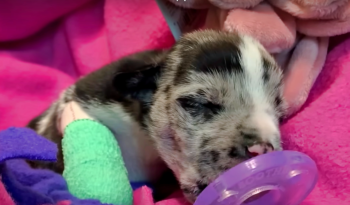
      Kathryn with The Bottle Brigade takes in young, sick puppies who desperately need her help. She wholeheartedly cares for them around the clock. One tiny sick puppy, a Great Dane named Etta, was knocking at death’s door. Thankfully, Kathryn took her in, determined to save her life.

      YouTube

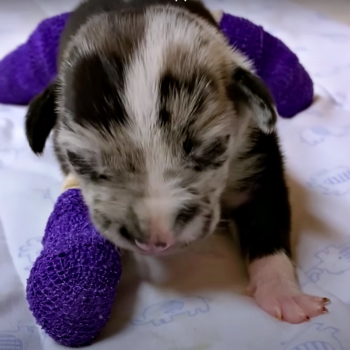
      Etta didn’t have back feet, and her front paws were turning black due to lack of circulation. Kathryn raced her to the emergency vet for treatment. Amazingly, within a few days, Etta made quite the turnaround. She even got up to walk, proving her missing back paws didn’t stand in her way. Kathryn was elated!

      YouTube

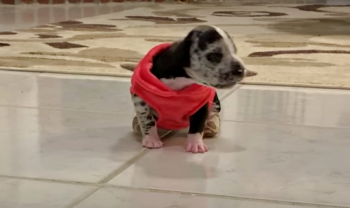
      Once Etta felt better, there was no stopping her! Sure, she was a bit wobbly and sometimes fell on her back, but as long as her back legs were padded, she behaved like any other pup. Etta grew up quickly, and her size was quite impressive! Now it was time for Kathryn to find her forever family. But there was a bit of a hiccup.

      YouTube

      The Great Dane, understandably attached to Kathryn, had much to say about leaving. As she got older, she soon proved, by caring for the other sick puppies that came to The Bottle Brigade, that she belonged with Kathryn all along. Just wait until you see how the full story plays out!

      Please ‘SHARE’ to pass on this story to a friend or family member

      Click ‘SHARE’ below to pass it on to a friend or family member!

      The post Pup With No Back Feet Blossoms, Motivates Others To Keep Living appeared first on iHeartDogs.com.


      via Whisker Therapy

      iHeartDogs is reader supported. Some of the links below may be paid affiliate links, where we receive a small commission on a product at no additional cost to you. 
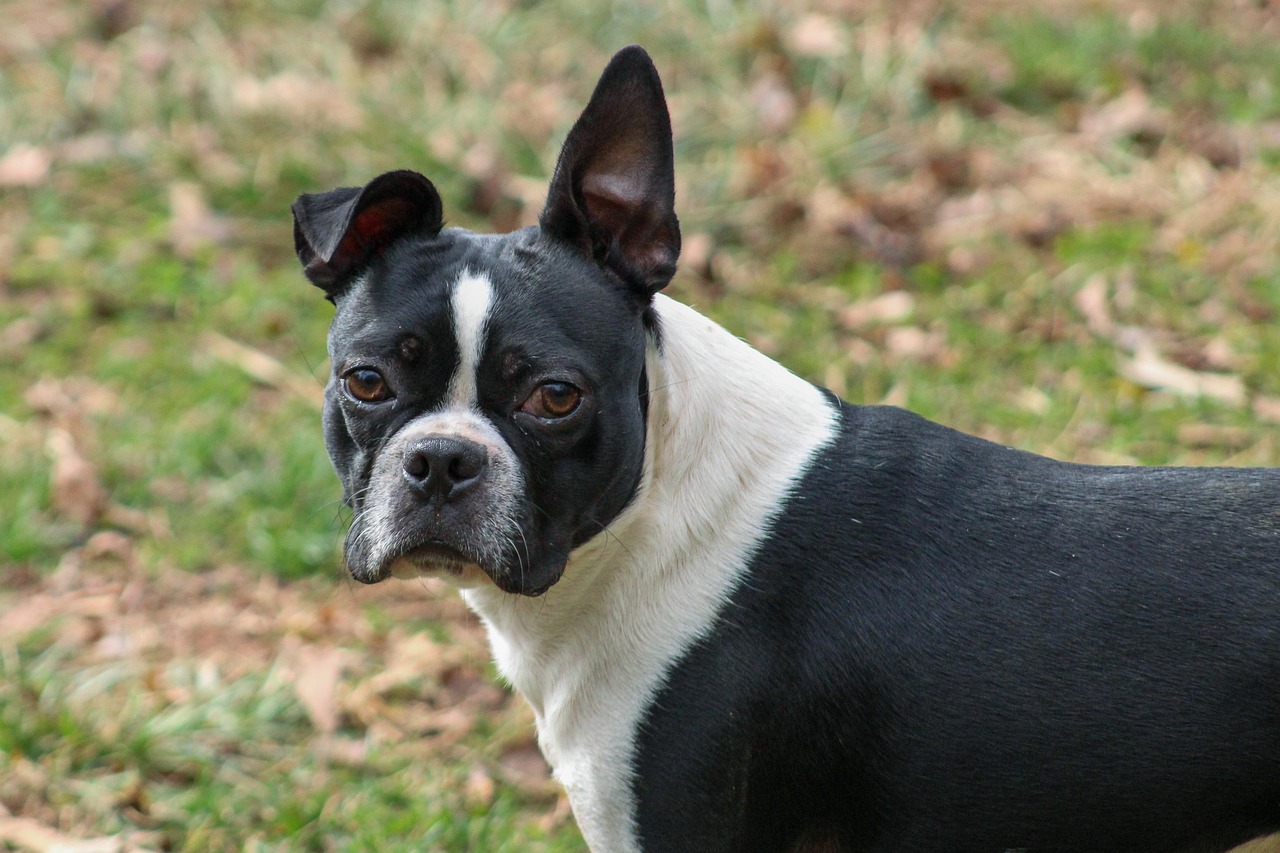
      Resource guarding is a common issue among dogs of all breeds, including Boston Terriers. This behavior can be dangerous and should be addressed as soon as possible. A Boston Terrier that is resource guarding may become aggressive and display a range of warning signs that can be challenging for their owners to manage. However, there are many strategies that can help to prevent and reduce resource guarding behaviors in Boston Terriers. In this article, we will explore several effective ways to stop a Boston Terrier from resource guarding, so you can keep your pet and family safe and happy.

      Note: Resource guarding can be a challenging problem for a dog owner. In addition to the tip below, you may want to consider consulting the help of a professional. Two excellent online courses we reviewed for resource guarding are SpiritDog and K9 Training Institute.

      1. Understand What’s Triggering Your Boston Terrier’s Resource Guarding

      The first step in addressing resource guarding is to identify the specific triggers causing your Boston Terrier to display this behavior. Observe your Boston Terrier closely and take note of which resources they guard and under what circumstances. Common triggers include:

      • The presence of other dogs or pets
      • Approach of family members, especially children
      • Sudden movements or loud noises near the guarded resource

      Understanding the triggers allows you to manage the environment effectively, preventing incidents before they occur.

      2. Desensitization and Counter-Conditioning Your Boston Terrier Against Resource Guarding

      Desensitization and counter-conditioning are powerful techniques to help your Boston Terrier overcome resource guarding. Desensitization involves gradually exposing your dog to the triggering situations, starting with low-intensity encounters and gradually increasing the intensity. Counter-conditioning, on the other hand, involves teaching your dog to associate the presence of the trigger with positive experiences.

      For example, if your Boston Terrier guards their food bowl when approached, start by standing a considerable distance away while they eat. Gradually decrease the distance over time, rewarding your dog with praise or treats when they remain calm. This process helps your dog associate your presence near their food with positive outcomes, reducing their need to guard the resource.

      3. Teach Your Boston Terrier the “Leave It” Command

      Training your Boston Terrier to respond to the “leave it” command is essential in addressing resource guarding. This command tells your dog to release whatever they’re holding or to stop focusing on a particular item. To teach this command:

      • Hold a treat in your closed hand and present it to your Boston Terrier.
      • When your dog sniffs or paws at your hand, say “leave it.”
      • Once your dog stops trying to get the treat, praise them and reward them with a treat from your other hand.
      • Gradually progress to using the command with other objects, such as toys or food bowls.

      Using the “leave it” command consistently can help prevent resource guarding incidents before they escalate.

      4. Teach Your Boston Terrier the “Drop It” or “Give” Commands

      Similar to the “leave it” command, teaching your Boston Terrier to “drop it” or “give” is crucial in managing resource guarding. These commands instruct your dog to release an item from their mouth or willingly give it to you. To teach these commands:

      • Start by playing with a toy your dog likes but doesn’t typically guard.
      • While your dog is holding the toy, say “drop it” or “give” and offer a high-value treat.
      • When your dog releases the toy, praise them and give them the treat.
      • Gradually progress to using the command with more valuable items.

      5. Practice the “Trade-Up” Technique with Your Boston Terrier

        The “trade-up” technique involves offering your Boston Terrier a higher-value item in exchange for the one they’re guarding. This method teaches your dog that surrendering a resource can lead to better rewards, reducing their need to guard. Practice this technique by offering a high-value treat or a favorite toy whenever your dog is guarding a less valuable item. Over time, your dog will learn that giving up a guarded resource is a positive experience.

        6. Avoid Punishing Your Boston Terrier

        Punishing your Boston Terrier for resource guarding can exacerbate the problem and lead to increased aggression. Instead, focus on positive reinforcement and reward-based training to modify your dog’s behavior. By consistently rewarding your dog for desired behaviors, you reinforce the idea that there’s no need to guard resources, as good things happen when they share or relinquish them. Remember that patience and consistency are key when working with a dog that displays resource guarding behaviors.

        7. Try an Online Training Program for Resource Guarding

        If your Boston Terrier’s resource guarding behavior is severe or doesn’t improve with consistent training, it’s crucial to consult a professional dog trainer or behaviorist. These experts can help identify the root cause of the issue and create a tailored training plan to address the problem effectively. In some cases, medical issues or anxiety may contribute to resource guarding, and a veterinarian or veterinary behaviorist can help diagnose and treat these underlying conditions.

        Our 2 favorite online courses are:

        1. SpiritDog’s “Stop Resource Guarding” Course

        The Stop Resource Guarding training course, attended by 243 students, consists of 42 comprehensive lessons that teach you science-based, fear-free techniques to help your dog trust you around their treasures and train a solid “Drop It” cue. With lifetime access, step-by-step instructions, and a certificate upon completion, this course will transform your relationship with your dog and eliminate resource guarding behaviors.

        2. K9 Training Institute’s “Dog Masterclass”

        More than just a resource guarding course, this more comprehensive training course tackles any behavior problem you might face with your dog.

        3 Signs Your Boston Terrier is Resource Guarding

        1. Growling or Snapping: Your Boston Terrier may growl or snap when you or another person approaches them while they are near their food bowl, toys, or any other object they are guarding.
        2. Stiff Body Language: If your Boston Terrier becomes tense, stiff or their body language changes when you approach them while they are guarding something, it may indicate that they are trying to protect their possession.
        3. Refusal to Share: If your Boston Terrier refuses to share their toys or food with other dogs or humans and tries to keep it to themselves, it may be a sign that they are resource guarding.

        In conclusion, resource guarding can be a serious issue in Boston Terriers and can lead to aggression towards humans or other animals. Recognizing the signs of resource guarding, such as growling, snapping, or biting when approached near their possessions, is essential for addressing the problem. While there are many potential strategies for reducing resource guarding, it’s important to seek the guidance of a professional dog trainer or behaviorist to find the best approach for your individual Boston Terrier. With patience, consistency, and positive reinforcement training, it is possible to help your dog feel more comfortable and secure around their possessions and reduce their tendency to guard them.

        Note: Resource guarding can be a challenging problem for a dog owner. In addition to the tips above, you may want to consider consulting the help of a professional. Two excellent online courses we like for resource guarding are SpiritDog and K9 Training Institute.

        The post 7 Strategies to Stop Your Boston Terrier’s Resource Guarding appeared first on iHeartDogs.com.


        via Whisker Therapy

        iHeartDogs is reader supported. Some of the links below may be paid affiliate links, where we receive a small commission on a product at no additional cost to you. 
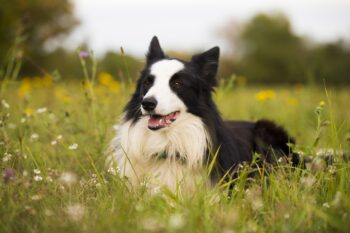
        Resource guarding can be a concerning behavior in any dog breed, but it may be particularly challenging in breeds like American Staffordshire Terrier which are known to be powerful and headstrong. This behavior can lead to aggression and cause problems within the family or community. As a responsible dog owner, it is important to recognize the signs of resource guarding and take steps to address it. While it may seem daunting, there are ways to manage and prevent this behavior in your American Staffordshire Terrier. In this article, we will explore some general strategies that can be effective in stopping resource guarding in this breed.

        Note: Resource guarding can be a challenging problem for a dog owner. In addition to the tip below, you may want to consider consulting the help of a professional. Two excellent online courses we reviewed for resource guarding are SpiritDog and K9 Training Institute.

        1. Understand What’s Triggering Your American Staffordshire Terrier’s Resource Guarding

        The first step in addressing resource guarding is to identify the specific triggers causing your American Staffordshire Terrier to display this behavior. Observe your American Staffordshire Terrier closely and take note of which resources they guard and under what circumstances. Common triggers include:

        • The presence of other dogs or pets
        • Approach of family members, especially children
        • Sudden movements or loud noises near the guarded resource

        Understanding the triggers allows you to manage the environment effectively, preventing incidents before they occur.

        2. Desensitization and Counter-Conditioning Your American Staffordshire Terrier Against Resource Guarding

        Desensitization and counter-conditioning are powerful techniques to help your American Staffordshire Terrier overcome resource guarding. Desensitization involves gradually exposing your dog to the triggering situations, starting with low-intensity encounters and gradually increasing the intensity. Counter-conditioning, on the other hand, involves teaching your dog to associate the presence of the trigger with positive experiences.

        For example, if your American Staffordshire Terrier guards their food bowl when approached, start by standing a considerable distance away while they eat. Gradually decrease the distance over time, rewarding your dog with praise or treats when they remain calm. This process helps your dog associate your presence near their food with positive outcomes, reducing their need to guard the resource.

        3. Teach Your American Staffordshire Terrier the “Leave It” Command

        Training your American Staffordshire Terrier to respond to the “leave it” command is essential in addressing resource guarding. This command tells your dog to release whatever they’re holding or to stop focusing on a particular item. To teach this command:

        • Hold a treat in your closed hand and present it to your American Staffordshire Terrier.
        • When your dog sniffs or paws at your hand, say “leave it.”
        • Once your dog stops trying to get the treat, praise them and reward them with a treat from your other hand.
        • Gradually progress to using the command with other objects, such as toys or food bowls.

        Using the “leave it” command consistently can help prevent resource guarding incidents before they escalate.

        4. Teach Your American Staffordshire Terrier the “Drop It” or “Give” Commands

        Similar to the “leave it” command, teaching your American Staffordshire Terrier to “drop it” or “give” is crucial in managing resource guarding. These commands instruct your dog to release an item from their mouth or willingly give it to you. To teach these commands:

        • Start by playing with a toy your dog likes but doesn’t typically guard.
        • While your dog is holding the toy, say “drop it” or “give” and offer a high-value treat.
        • When your dog releases the toy, praise them and give them the treat.
        • Gradually progress to using the command with more valuable items.

        5. Practice the “Trade-Up” Technique with Your American Staffordshire Terrier

          The “trade-up” technique involves offering your American Staffordshire Terrier a higher-value item in exchange for the one they’re guarding. This method teaches your dog that surrendering a resource can lead to better rewards, reducing their need to guard. Practice this technique by offering a high-value treat or a favorite toy whenever your dog is guarding a less valuable item. Over time, your dog will learn that giving up a guarded resource is a positive experience.

          6. Avoid Punishing Your American Staffordshire Terrier

          Punishing your American Staffordshire Terrier for resource guarding can exacerbate the problem and lead to increased aggression. Instead, focus on positive reinforcement and reward-based training to modify your dog’s behavior. By consistently rewarding your dog for desired behaviors, you reinforce the idea that there’s no need to guard resources, as good things happen when they share or relinquish them. Remember that patience and consistency are key when working with a dog that displays resource guarding behaviors.

          7. Try an Online Training Program for Resource Guarding

          If your American Staffordshire Terrier’s resource guarding behavior is severe or doesn’t improve with consistent training, it’s crucial to consult a professional dog trainer or behaviorist. These experts can help identify the root cause of the issue and create a tailored training plan to address the problem effectively. In some cases, medical issues or anxiety may contribute to resource guarding, and a veterinarian or veterinary behaviorist can help diagnose and treat these underlying conditions.

          Our 2 favorite online courses are:

          1. SpiritDog’s “Stop Resource Guarding” Course

          The Stop Resource Guarding training course, attended by 243 students, consists of 42 comprehensive lessons that teach you science-based, fear-free techniques to help your dog trust you around their treasures and train a solid “Drop It” cue. With lifetime access, step-by-step instructions, and a certificate upon completion, this course will transform your relationship with your dog and eliminate resource guarding behaviors.

          2. K9 Training Institute’s “Dog Masterclass”

          More than just a resource guarding course, this more comprehensive training course tackles any behavior problem you might face with your dog.

          3 Signs Your American Staffordshire Terrier is Resource Guarding

          1. Growling or snarling: If your AmStaff growls or snarls when you try to approach them while they are eating, chewing a bone or playing with a toy, it could be a sign that they are resource guarding.
          2. Stiff body language: Your AmStaff’s body language can tell you a lot about how they are feeling. If they become stiff and tense when you approach them while they are eating or playing with a toy, it could indicate that they are trying to protect their resources.
          3. Aggression: If your AmStaff shows aggression towards you or other pets in the household when you try to take away their food or toys, it’s a clear sign that they are resource guarding. This can include biting, snapping, or lunging

          In conclusion, resource guarding is a common behavior in dogs, and American Staffordshire Terriers can be prone to it. If your dog displays signs of resource guarding, such as growling or snapping when approached near their food or toys, it is important to take steps to address the behavior. Seek guidance from a professional trainer or behaviorist who can help you develop a tailored plan to modify your dog’s behavior. Remember to approach the issue with patience and consistency, as it may take time to see significant changes. With the right approach and training, you can help your American Staffordshire Terrier overcome resource guarding tendencies and live a happy, healthy life.

          Note: Resource guarding can be a challenging problem for a dog owner. In addition to the tips above, you may want to consider consulting the help of a professional. Two excellent online courses we like for resource guarding are SpiritDog and K9 Training Institute.

          The post 7 Strategies to Stop Your American Staffordshire Terrier’s Resource Guarding appeared first on iHeartDogs.com.


          via Whisker Therapy

          Contact Form

          Name

          Email *

          Message *

          Theme images by Storman. Powered by Blogger.