Latest Post

Shutterstock

Dogs have an incredible way of enhancing our lives, not only through their loyal companionship but also by encouraging social interactions. They naturally foster connections, helping us meet new people at the dog park, initiate conversations with strangers, or break the ice in group settings. Their friendly demeanor, enthusiasm, and curiosity make us more approachable, opening the door to new friendships. Dogs act as social facilitators during daily walks or social events, helping us build relationships and engage with the world.

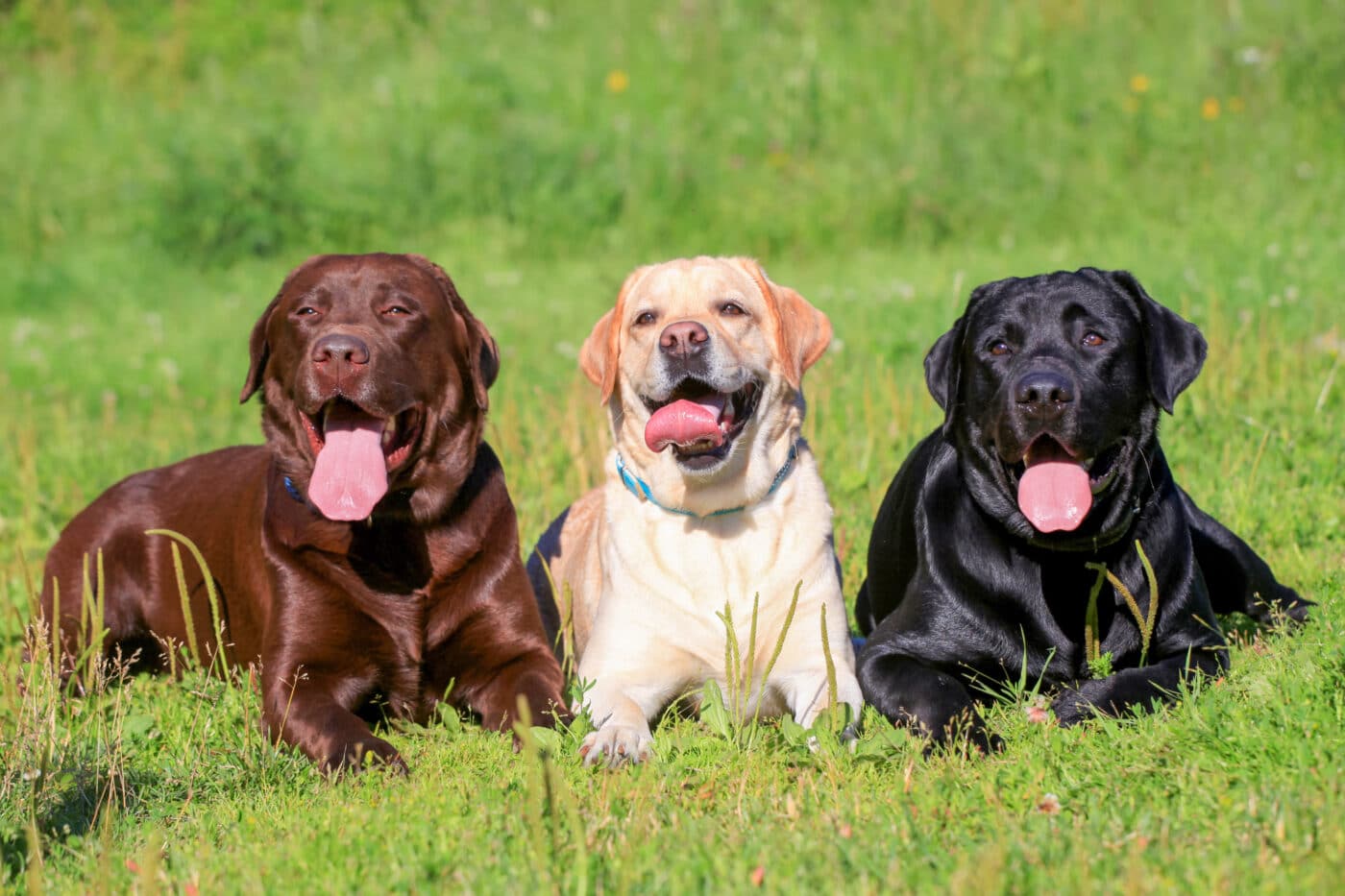
Labrador Retriever

Shutterstock

The Labrador Retriever is well-known for its friendly and outgoing nature. Labradors are social butterflies that thrive in human interaction, making them the perfect breed to help boost your social life. A Labrador’s cheerful demeanor attracts attention and sparks conversations whether you’re out for a walk or visiting a dog park. Their playful and affectionate personality naturally draws people in, making it easier for owners to converse with fellow dog lovers. Labs are also great in group settings, where their love for play can break the ice and encourage new friendships.

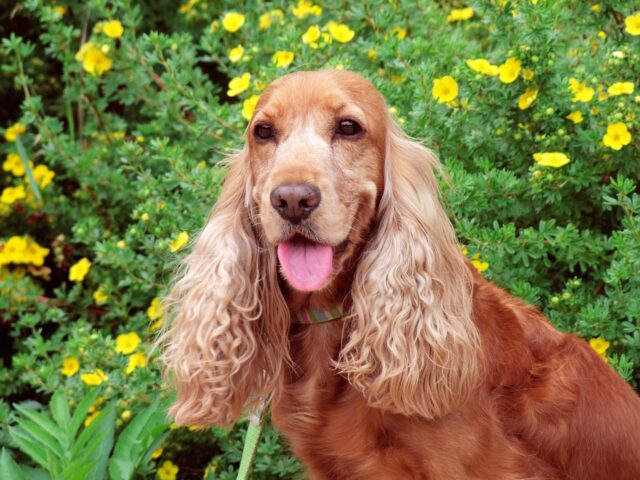
Cocker Spaniel

Shutterstock

Cocker Spaniels are friendly, gentle, and affectionate, naturally making them social facilitators. These dogs love being around people and often seek human interaction, encouraging their owners to engage with others. When you’re out with a Cocker Spaniel, their adorable appearance and sweet demeanor are sure to catch the attention of passersby. Whether on a walk or at a café, Cocker Spaniels help create a warm and approachable atmosphere, making it easy for strangers to initiate conversations and friendships.

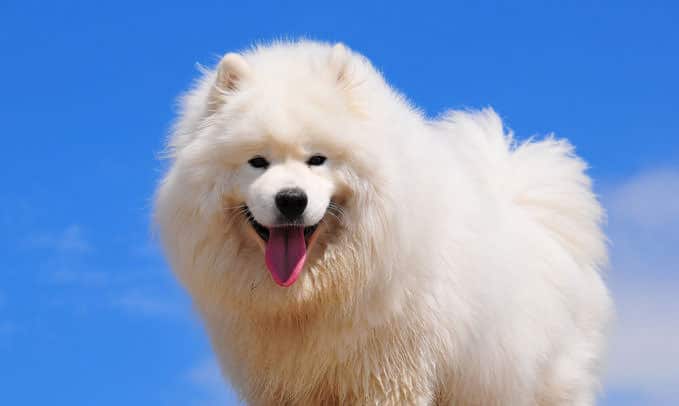
Samoyed

Shutterstock

The Samoyed’s striking fluffy coat and perpetual smile are hard to miss, making them a magnet for attention wherever they go. Known as the “Smiling Sammie,” this breed’s friendly, outgoing nature helps owners connect with others effortlessly. Samoyeds love interacting with people, and their exuberance is contagious. Taking a Samoyed for a walk almost guarantees attention and compliments, sparking conversations with fellow dog enthusiasts. Their playful and joyful demeanor makes them the perfect companions for meeting new people and building social connections, whether in a park, at events, or during casual strolls.

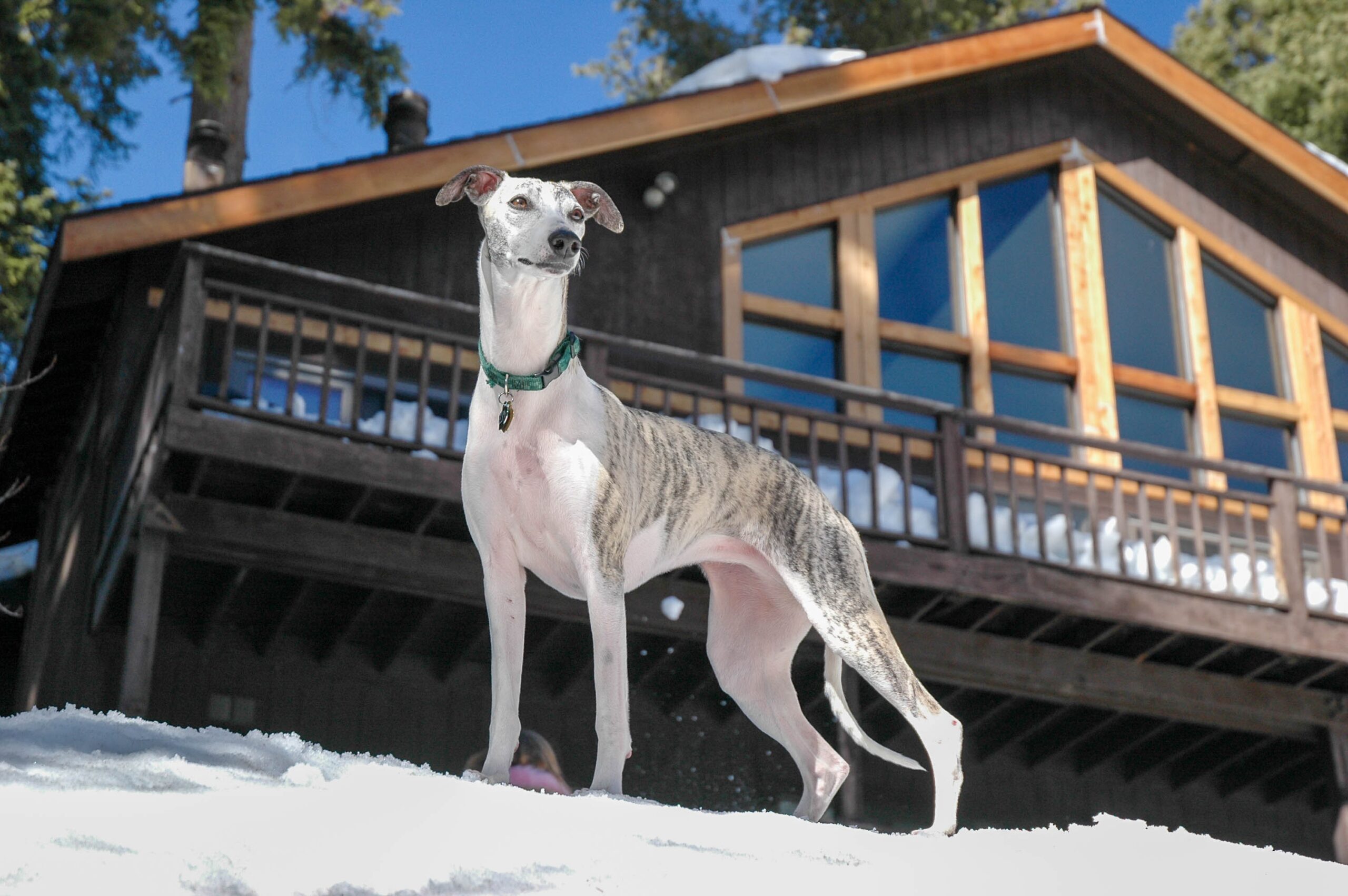
Whippet

Whippet outside cabin
Shutterstock

Whippets may be known for their sleek build and racing abilities, but they are also wonderful companions encouraging social interaction. Their calm and gentle demeanor makes them approachable, and their unique appearance often piques people’s curiosity. Whippets are naturally inquisitive and enjoy meeting new people and dogs, leading to easy interactions when out in public. Their quiet, laid-back personality allows them to thrive in various social settings, helping their owners feel more relaxed and open to meeting others, whether at a café, dog park, or casual outing.

Papillon

Shutterstock

The Papillon is a small breed with a big personality, known for its friendliness and playful energy. Papillons are incredibly social despite their tiny size and love meeting new people. Their butterfly-like ears and lively demeanor often attract attention, making them great conversation starters. Papillons enjoy being the center of attention, and their happy, energetic attitude helps break the ice in social situations. Whether you’re walking them around the neighborhood or bringing them to social gatherings, Papillons have a knack for drawing people in and helping owners expand their social circles.

Tibetan Terrier

Shutterstock

The Tibetan Terrier, a lesser-known breed, is a sociable and affectionate companion that excels at bringing people together. Their charming appearance and warm and friendly nature make them natural ice-breakers in social settings. Tibetan Terriers are playful and curious, always eager to explore new environments and meet new human and canine friends. Their loving personality helps foster connections between their owners and others, making casual encounters into lasting friendships. Tibetan Terriers always work to boost your social life with their endearing presence, whether at dog-friendly events, outdoor cafes, or dog parks.

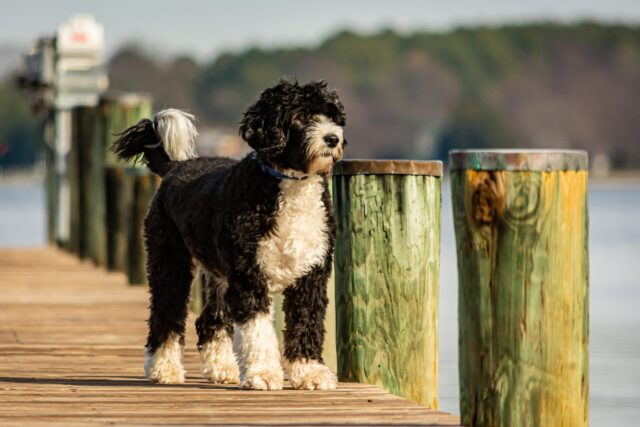
Portuguese Water Dog

Portuguese Water Dog
Shutterstock

Portuguese Water Dogs are energetic, playful, and love being around people, making them perfect companions for those who want to expand their social network. These dogs are full of life and enthusiasm, traits that naturally attract attention in public spaces. Their love for water activities and outdoor adventures means that they often encourage owners to participate in group activities, whether it’s swimming, hiking, or simply spending time at a beach. Portuguese Water Dogs enjoy interacting with others, and their energetic spirit creates opportunities for their owners to engage with new people and form connections in shared activities.

Finnish Lapphund

Shutterstock

The Finnish Lapphund is a friendly, sociable breed with a strong sense of loyalty and affection. These dogs are known for their ability to create bonds with both their human families and other people they meet. Finnish Lapphunds are often the center of attention due to their fluffy coats and approachable demeanor, which makes them great conversation starters in social settings. Whether you’re at a local event, dog park, or on a walk, a Finnish Lapphund’s warm personality encourages others to approach and interact, helping their owners meet new people and improve their social lives.

Keeshond

Shutterstock

The Keeshond is a lively and friendly dog that thrives on human interaction. Their plush coats, expressive faces, and cheerful nature make them stand out in a crowd, often drawing attention from strangers. Keeshonds are naturally sociable and love being around people, which makes them excellent companions for improving social interactions. They are always eager to meet new friends, and their affectionate behavior encourages others to engage with their owners. Whether you’re attending a dog-friendly event or just taking a stroll, Keeshonds help create social opportunities through their outgoing and approachable demeanor.

Shih Tzu

Shutterstock

Shih Tzus may be small, but their big personalities make them excellent social companions. Known for their affectionate and playful nature, Shih Tzus is always ready to meet new people and make new friends. Their adorable appearance and friendly demeanor often attract attention, leading to conversations with other dog lovers. Shih Tzu’s love for being the center of attention and their charm make them excellent ice-breakers in social settings. Whether out for a walk or attending a social event, a Shih Tzu can help bring people together and improve your social life with their irresistible charm.

The Social Paw-nomenon

Shutterstock

Dogs do more than offer companionship and loyalty; they have a unique way of improving our social lives. With their friendly demeanor, striking looks, and playful personalities, these breeds naturally attract attention and open doors to new social interactions. From the Labrador Retriever’s friendly nature to the Papillon’s charming energy, these dogs help break the ice and foster conversations in various settings. For owners wanting to grow their social circles, these breeds offer the perfect way to meet new people while enjoying the love of a loyal companion.

The post 10 Ways Your Dog Is Trying to Improve Your Social Life appeared first on iHeartDogs.com.


via Whisker Therapy

Shutterstock

Your dog is more than just a loyal companion—they’re secretly a master of time management! From structured routines to spontaneous playtime, dogs naturally encourage habits that improve your focus, productivity, and ability to manage time. Discover many surprising ways your furry friend is helping you stay on top of your daily schedule!

Your Dog Is the Secret to Better Time Management

Shutterstock

Ever feel like your dog is helping you stay on track? That’s because they are! Your dog’s need for routine, regular walks, and playtime forces you to plan better and stick to a schedule. With their help, you’re naturally managing time more effectively, staying focused, and maintaining a balanced day. Your dog might just be your secret time management coach!

Your Dog Boosts Your Time Management Skills

Shutterstock

Your dog is doing more than just keeping you company—they’re helping you master time management! With daily walks, feeding schedules, and playtime, your dog creates structure and routine in your day. This natural rhythm boosts your ability to prioritize tasks, stay organized, and manage your time efficiently, all thanks to your loyal companion!

Your Dog Is Streamlining Your Day

Shutterstock

Your dog might be the key to a smoother, more efficient day! By sticking to their routine of walks, feeding, and play, your furry friend is teaching you the art of structure. Their regular needs push you to plan ahead and prioritize, helping you streamline your tasks and manage your time more effectively. Your dog truly is a hidden productivity partner!

Your Dog Enhances Your Time Management Abilities

Shutterstock

Your dog is more than just a pet—they’re your personal time management trainer! With a consistent routine of walks, meals, and play, your dog encourages you to structure your day. By following their schedule, you naturally build better habits for time management, staying organized, focused, and productive. Your dog is enhancing your abilities every day!

Your Pup Is Improving Your Productivity

Shutterstock

Your pup is secretly boosting your productivity! Their routine—morning walks, meal times, and play—creates a natural structure to your day, helping you stay focused and organized. By encouraging regular breaks and active moments, your dog helps you recharge, making you more productive and efficient throughout the day.

Owning a Dog Makes You a Better Time Manager

Shutterstock

Owning a dog makes you a better time manager without you even realizing it! Their need for regular walks, feeding, and attention forces you to create a structured routine. This consistency helps you stay on top of tasks, prioritize effectively, and manage your time more efficiently. Your dog is the perfect partner in mastering time management!

Your Dog Is Secretly Sharpening Your Schedule

Shutterstock

Your dog is quietly sharpening your schedule every day! With their regular feeding times, walks, and play sessions, your pup enforces a routine that helps you plan your day better. This structure encourages you to prioritize tasks, stay organized, and maintain a balanced flow. Your dog is the secret force behind your improved time management!

Walking the Dog Is Actually Teaching You Time Management

Shutterstock

Walking your dog is doing more than keeping them happy—it’s actually teaching you time management! The need for consistent walk times forces you to plan your day, prioritize tasks, and stick to a schedule. This daily responsibility helps you balance your time, creating better habits that make you more efficient and organized.

Your Dog Helps You Manage Your Time Better

Shutterstock

Your dog is more than just a companion—they help you manage your time better! Their routine demands structure, from walks to feeding times, naturally guiding you to plan your day more efficiently. By keeping you accountable to their needs, your dog teaches you discipline and time management, making you more productive and organized.

The Dog Owner’s Guide to Mastering Time Management

Shutterstock

The Dog Owner’s Guide to Mastering Time Management is simpler than you think! Your dog’s routine—regular walks, feeding times, and play—creates a natural structure that helps you manage your day. By following their schedule, you develop better habits, become more organized, and gain control over your time like never before!

Dog Owners Excel at Managing Time

Shutterstock

Dog owners excel at managing time, thanks to the routine their pets require. From scheduled walks to feeding times, dogs bring structure to the day, helping their owners develop consistency and discipline. This natural routine fosters better time management skills, making dog owners more organized, focused, and efficient in handling daily tasks.

Your Dog’s Routine Can Revolutionize Your Time Management

Shutterstock

Your dog’s routine can revolutionize your time management! Their regular needs—walks, meals, and play—introduce a consistent structure to your day. By aligning with their schedule, you naturally build better habits, prioritize tasks, and manage your time more effectively, leading to a more organized, productive lifestyle, all thanks to your dog!

Your Dog Is Shaping Your Scheduling Skills

Shutterstock

Your dog is quietly shaping your scheduling skills! With their routine of walks, feeding, and playtime, you’re naturally building a structured day. Their needs teach you to prioritize, plan ahead, and stick to a schedule, all of which help sharpen your time management abilities. Your furry friend is training you to stay organized without you even noticing!

Your Dog Keeps You on Track

Shutterstock

Your dog is more than just a companion—they keep you on track! With their regular routine of walks, feeding, and playtime, your dog adds structure to your day. Their needs push you to plan and prioritize, helping you stay organized and focused. By keeping you accountable, your dog ensures you stick to your schedule and manage your time effectively!

Your Dog Is Your Best Time Management Ally

Shutterstock

Your dog is your best time management ally! Their daily routine of walks, meals, and play brings structure to your life, helping you plan and stay organized. By encouraging regular breaks and consistent scheduling, your dog helps you balance your time, stay focused, and be more productive. With their help, managing your day becomes a breeze!

Unleashing the Power of Time Management with Your Dog

Shutterstock

In ways you might not even realize, your dog is helping you master time management. From daily walks to feeding routines, their needs create structure, discipline, and balance in your life. By embracing these habits, you can sharpen your time management skills and boost productivity—all thanks to the subtle influence of your furry friend!

The post 15 Ways Your Dog Is Secretly Improving Your Work-Life Balance appeared first on iHeartDogs.com.


via Whisker Therapy

Shutterstock

Small dog breeds often get a lot of attention for their compact size and charming personalities. Still, some lesser-known breeds fly under the radar despite their unique traits and undeniable appeal. Weighing under 25 pounds, these small but mighty dogs often have fascinating histories, diverse temperaments, and distinctive physical characteristics that make them stand out from more popular small breeds. Whether you’re looking for a lap companion, a playful partner, or a dog with a strong sense of independence, these little-known breeds offer a variety of attributes that make them special.

Russian Toy

Shutterstock

The Russian Toy is a tiny but energetic breed that weighs between 3 and 6 pounds, making it one of the smallest dog breeds in the world. Originating in Russia, this breed was initially developed for companionship among the Russian aristocracy in the 19th century. The Russian Toy comes in two varieties—long-haired and smooth-haired—and both share the breed’s signature lively and affectionate nature. Despite its small size, the Russian Toy is incredibly alert and makes for an excellent watchdog. Its light frame, coupled with its elegance, makes this breed a perfect fit for anyone looking for a compact dog with plenty of personality and charm.

Dandie Dinmont Terrier

Shutterstock

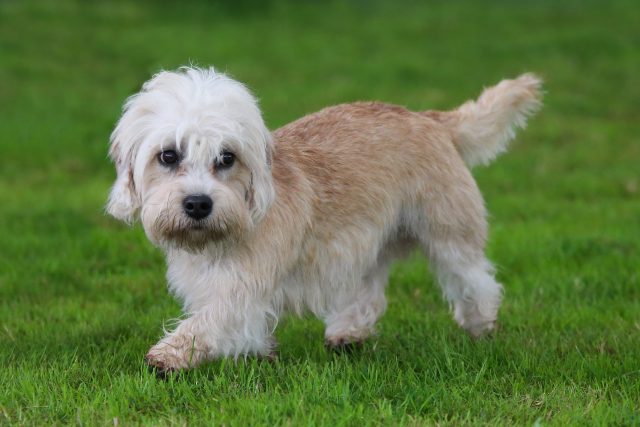
The Dandie Dinmont Terrier is a distinctive little breed that weighs between 18 and 24 pounds. Known for its long body, short legs, and unique “topknot” of hair on its head, the Dandie Dinmont Terrier has a history dating back to the 1700s in Scotland. Bred for hunting otters and badgers, this terrier is small but determined, with a fearless personality that belies its size. While the breed is less well-known than other terriers, the Dandie Dinmont stands out for its affectionate and loyal nature. It’s a great choice for families, as it is both a dedicated companion and a spirited little dog.

Prazsky Krysarik

Shutterstock

The Prazsky Krysarik, or Prague Ratter, is a small breed that weighs between 2 and 6 pounds, making it smaller than even the Chihuahua. This breed originated in the Czech Republic and was historically used to hunt rats in palaces and homes. Despite its tiny stature, the Prazsky Krysarik is a brave and confident dog with a lively temperament. It forms close bonds with its family and is known for being extremely affectionate, often enjoying a spot on its owner’s lap. The breed is also agile and quick, excelling in activities like agility training. Although relatively unknown outside its native country, the Prazsky Krysarik is a delightful small breed that deserves more recognition.

Volpino Italiano

Shutterstock

The Volpino Italiano is a small, fluffy breed that typically weighs between 9 and 14 pounds. This ancient breed, which originated in Italy, was a favorite of royalty and commoners alike, known for its alertness and lively disposition. Despite being little known today, the Volpino Italiano was historically prized as a watchdog, as its sharp senses and loud bark made it excellent at alerting its owners to intruders. The breed is known for its fox-like face and dense coat, which gives it a striking appearance. Volpinos are loyal and affectionate with their families but can be reserved around strangers, making them excellent companions for those seeking a devoted but independent small dog.

Japanese Chin

Shutterstock

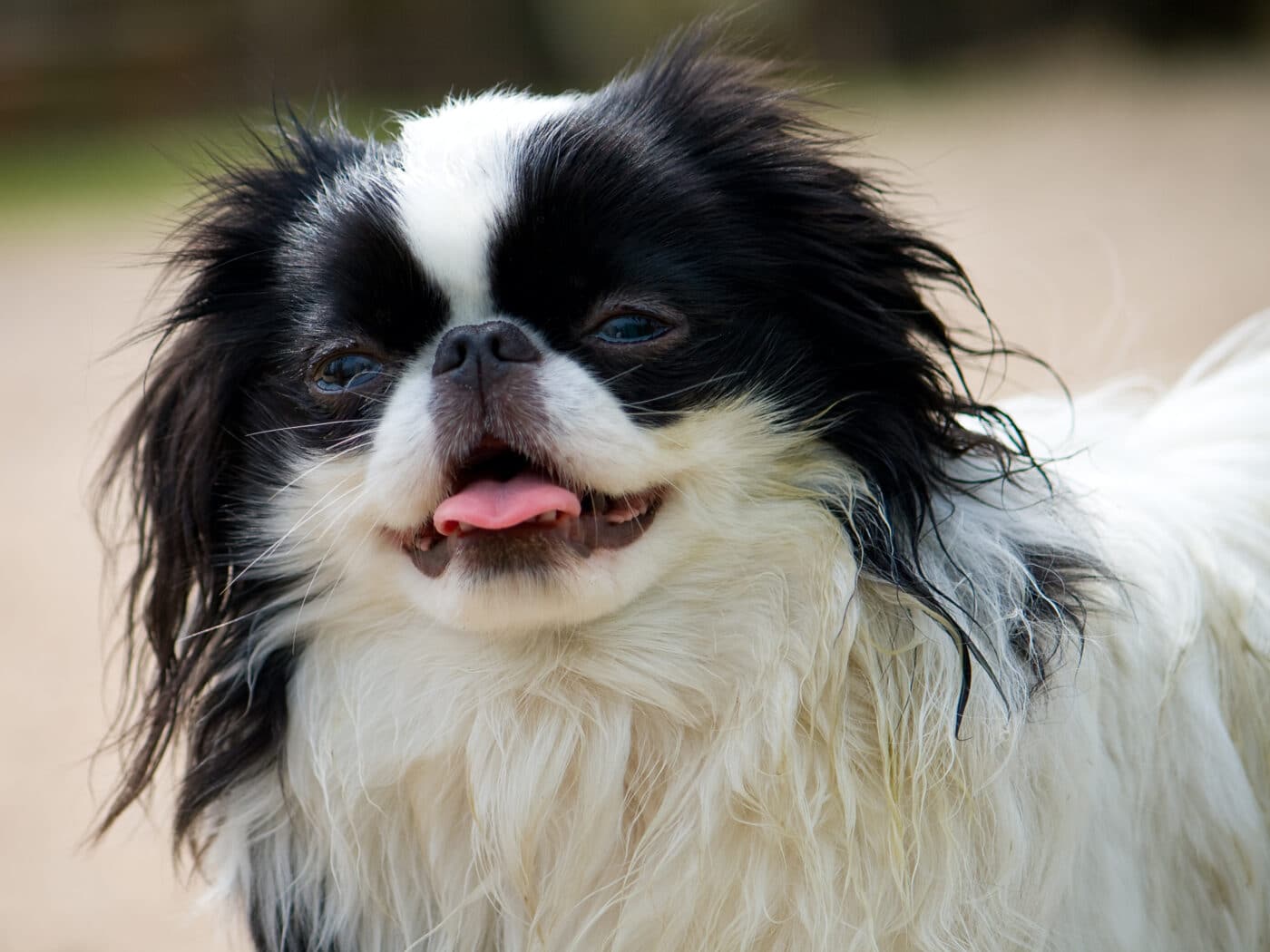
The Japanese Chin is a small breed that weighs between 7 and 11 pounds and is known for its distinctive flat face and feathered coat. Though relatively unknown outside certain circles, the Japanese Chin has a rich history as a companion dog for Japanese nobility. Bred for companionship, this breed is charming, elegant, and often quite cat-like in its behaviors, such as grooming itself and perching in high places. Japanese Chins are known for their affectionate nature and often form strong bonds with their owners. Their relatively low exercise needs and easygoing demeanor make them perfect for apartment living or those seeking a more relaxed companion.

Schipperke

Shutterstock

The Schipperke, which weighs between 10 and 16 pounds, is a small breed known for its fox-like appearance and boundless energy. Originating from Belgium, the Schipperke was traditionally used as a barge dog, guarding boats and chasing vermin. Despite its size, the Schipperke has a big personality and is highly independent, often acting as though it is much larger than its actual weight suggests. This breed is also known for being mischievous and curious, always on the lookout for new adventures. Schipperkes are highly intelligent and require mental stimulation to keep them happy, making them ideal for active families or individuals looking for a small dog with a bold personality.

Little Dogs with Big Personalities

These little-known breeds under 25 pounds each offer unique histories and distinct characteristics that make them truly stand out. From the graceful Russian Toy to the determined Schipperke, these small dogs prove that personality and capability are not limited by size. While they may not be as well-known as other small breeds, they bring charm, intelligence, and specialized talents to their roles as companions. Their fascinating, sometimes mysterious backgrounds, along with the strong bonds they form with their owners, make these lesser-known breeds genuinely special and deserving of more recognition.

The post 6 Little-Known Dog Breeds Under 25 Lbs. appeared first on iHeartDogs.com.


via Whisker Therapy

Shutterstock

Dogs have always been loyal companions, offering love, loyalty, and unity—traits that seem increasingly rare in today’s divided world. As humans grapple with finding common ground in a politically charged climate, dogs provide valuable lessons on bridging divides. With their instinctive and uncomplicated approach to life, dogs show us how to look past differences, communicate openly, and form lasting connections. In times of conflict and division, they remind us that unity is possible when we prioritize understanding and focus on what truly matters.

Unconditional Loyalty to Their Pack

Shutterstock

Dogs are fiercely loyal to their pack, and that loyalty extends to everyone in it, regardless of differences. They don’t care about political ideologies or personal disagreements; they protect and stand by those they care about. In a world where divisions are deep, dogs remind us that loyalty to one another—our shared humanity—should come before any differences. If we could learn to stick by each other with the same commitment that dogs show, unity might not be hard to achieve.

Recognizing the Power of Play

Shutterstock

Dogs love to play, and everything else falls away when they do. Whether they’re chasing a ball or wrestling with a friend, dogs remind us of the importance of setting aside differences for a little fun; in politics, where serious debates often cloud connections, taking a break to bond over shared experiences might just be the key to softening the barriers between people. After all, it’s hard to stay mad at someone when you’re both laughing.

Forgiving and Moving On

Shutterstock

Dogs have an incredible ability to forgive quickly. If they have a spat with another dog or feel hurt by a human, they shake it off and move forward without holding grudges. In contrast, humans tend to dwell on disagreements, letting resentments fester. By adopting a dog’s approach to conflict—acknowledge, resolve, and move on—we could foster more productive discussions and a more forgiving political environment. Imagine how much more we could achieve if we didn’t hold on to past grievances.

Leading with Empathy

Shutterstock

Dogs are highly empathetic creatures. They instinctively sense when someone is upset or needs comfort and respond with a quiet presence or a comforting nuzzle. In a divided world, empathy is often lacking, with leaders and citizens alike focusing on their own interests instead of understanding others. Dogs teach us that sometimes the most powerful response is simply being there for someone. If we lead with empathy, trying to understand rather than judge, political debates might become less hostile and more solution-oriented.

Celebrating Diversity in the Pack

Shutterstock

Dogs come in all shapes, sizes, and breeds but don’t care about those differences. Whether they’re a Chihuahua or a Great Dane, dogs see each other as equals and embrace the diversity within their species. On the other hand, humans often struggle to accept different people. If we could learn from dogs and see diversity as a strength rather than a division, our political climate would be more inclusive and harmonious.

Focusing on the Bigger Picture

Shutterstock

Dogs are masters at focusing on the present moment, whether they’re enjoying a walk or waiting for a treat. They don’t get bogged down by distractions or irrelevant concerns. Leaders and citizens often lose sight of the bigger picture in politics, getting caught up in petty squabbles and minutiae. Dogs remind us to focus on what truly matters—working together for the good of all rather than getting stuck in small disagreements that prevent progress.

Offering Non-Judgmental Support

Shutterstock

One of a dog’s greatest qualities is its ability to offer unconditional, non-judgmental support. Dogs will stand by your side without hesitation if you’ve had a bad day or made a mistake. In politics, judgment often comes quickly, and people are criticized for their differences in opinion. Dogs show us that it’s possible to support others even if we always disagree with them. By offering non-judgmental support to those with differing views, we can create an atmosphere of respect and cooperation.

Building Trust Through Consistency

Shutterstock

Dogs build trust with their humans through consistent actions—greeting us at the door, sitting by our side, or being there when we need them. This reliability creates strong bonds, which is something often missing in politics. Leaders and citizens alike could learn from dogs’ consistency, focusing on building trust through dependable actions and follow-through. By fostering trust, we can create a more unified political landscape where people feel confident that their voices are heard and respected.

Finding Joy in Connection

Shutterstock

Dogs love connecting with others, whether it’s through playing, cuddling, or simply being near those they care about. They don’t let differences get in the way of forming bonds. In our divided political climate, conflict often overshadows the joy of connection. Dogs show us that connection is one of the most fulfilling aspects of life, and if we focused more on building connections across divides, we might find more common ground than we thought possible.

Solving Problems with Simplicity

Shutterstock

Dogs approach life with simplicity. If there’s an obstacle in their path, they either jump over, go around, or find another solution. In contrast, political problems often become more complicated than necessary, with leaders creating barriers rather than solutions. Dogs teach us that sometimes, the simplest approach is the best one. By stripping away unnecessary complexity and focusing on straightforward solutions, we can solve problems more efficiently and effectively.

Politics Could Use a Wagging Tail

Shutterstock

In a world where political divisions run deep, dogs show us unity is possible. Their loyalty, empathy, and ability to find joy in connection make them perfect examples of how we can overcome our differences. While dogs may not be able to draft policies or give speeches, their approach to life offers valuable lessons in diplomacy, forgiveness, and cooperation. Next time you’re frustrated with the state of politics, take a cue from your dog—wag your tail, be kind, and remember that unity is possible when we focus on what truly matters.

The post 10 Ways Dogs Can Teach Us About Unity In A Divided Political Climate appeared first on iHeartDogs.com.


via Whisker Therapy

Contact Form

Name

Email *

Message *

Theme images by Storman. Powered by Blogger.