Latest Post

Times have changed regarding canine value

Denise Swank paid $6000 to a man to train her German Shepherd Gunnar, but it all went terribly wrong. A little over two weeks after the man took Gunnar to his training facility, the dog was dead. According to an autopsy, the cause of death was heat stress or hyperthermia.

An investigation into the conditions where police believe that Gunnar had been living revealed inhumane conditions. The dogs there were treated cruelly and, according to the official criminal complaint, deprived of food, water and proper shelter. Sadly, Gunnar apparently died a painful death that was completely avoidable.


via Whisker Therapy

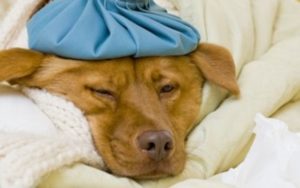
Having tummy trouble is the worst. We humans feel powerless against nausea and the unpleasant things that go along with it. When our pups are sick, it’s enough to break our hearts. If you find yourself caring for a pup with a stomach bug, you may wonder what you can give him to alleviate the symptoms and make him feel better. Can you give your dog OTC human medicines? Let’s take a look at what you might have on hand and how it can be administered.

Human OTC GI Meds That Are Considered Safe for Dogs

There are a few OTC human medications that are considered safe to treat common GI problems in dogs. Of course, you will want to consult with your veterinarian before giving any medication to your dog, especially for the first time. Also, just as you would for yourself, if symptoms persist you should take your dog to the vet.

Pepto-Bismol (bismuth subsalicylate), Imodium (loperamide), and  Pepcid (famotidine) are all generally considered safe for canine use with the appropriate dose and prior consultation with your dog’s veterinarian.


Doggie Diarrhea: Common Causes and Treatments


Common GI Symptoms in Dogs

Dogs get upset tummies for an endless number of reasons. Their curiosity, foraging drive, and occasional desire to roll in or eat something really disgusting sometimes leads to illness. When our dogs get into something nasty, become overexcited, experience nervousness, or get car sick this occasionally leads to a solitary vomiting episode. One upchuck does not require medication. Your pup will probably act as if nothing at all has happened and carry on as usual. However, if your dog gets sick and then acts sluggish and is not interested in food, you may consider using Pepto-Bismol to soothe the upset tummy.

The same approach should be used if your dog has diarrhea. If your dog has watery stool, keep an eye on things first. One episode of diarrhea means she probably got whatever upset her intestines out and will be fine without any intervention. If she is constantly going out with a sense of urgency, has multiple uncharacteristic accidents, and seems to be experiencing cramps or spasms in the intestines, you should call your vet and ask if Imodium is an okay medication for your pup.

Pepcid works to reduce stomach acid and is often prescribed by vets to treat ulcers and other conditions related to stomach acid build up. It’s not recommended to treat your dog with Pepcid unless he has been diagnosed with a relevant condition and prescribed its use by a veterinarian.


How to Give Your Dog the Right Dosage of OTC Medication

Generally speaking, the appropriate dose of medication to give your dog is dependent on weight. If you have a puppy, older dog, pregnant or nursing dog, or your pup is on other medications, the recommended dose may differ from the general guidelines. You should always talk to your vet before administering any medication to your dog.

  • Pepto-Bismol: Dosage is one teaspoon for every 10 lbs, every 6-8 hours. If problem persists after a few doses, call your vet. Administer with a medication syringe, gently squeezing the liquid into your dog’s mouth and holding his snout closed until he swallows it. Pepto-Bismol or generic medications that contain bismuth subsalicylate should not be given to dog’s who take anti-inflammatory drugs so again, please consult your vet before administering this or any medication.
  • Imodium: With your vet’s approval, give one 2-mg pill for each 40 pounds, 2-3 times per day. Pill can be given to your furry friend inside a bit of food, such as cheese, or tucked into a pill pocket. Do not give this medication longer than two days. Call your vet if your dog is not well within a couple of days.
  • Pepcid: Should be given only under veterinarian orders to treat conditions related to excess stomach acid. The recommended dose is one 10-mg pill for every 20 pounds every 12 to 24 hours. The American Kennel Club says to be sure to buy the original Pepcid, not the Maximum Strength or Complete formulations as they contain higher amounts of the active ingredient and other ingredients not recommended for dogs.

Pepcid is trickier in terms of dosing your dog as giving it with food decreases the efficacy. You have to place the pill in the back of your dog’s mouth, hold his snout, and rub the throat to get him to swallow the pill down. If you’ve never done it, it can be hard at first but with patience and practice you will persevere.


Potential Side Effects with OTC Human GI Medications

Side effects are possible with any medication so observe your dog after taking the medicine, especially after the first time you give it to your beloved baby. There are rare cases of serious side effects, which is why discussing their use with your vet is so important.

After giving your dog Pepto-Bismol, do not be alarmed if his tongue or stool is a very dark purple or black color. This happens with some people and dogs after taking the pink stuff and is not a cause for concern. However, if this continues it may actually be blood in the stool and should be discussed with a vet. Constipation is commonly reported as well.

Imodium can also lead to constipation if it overcorrects your dog’s intestines. It stops the runs by absorbing the water in the intestinal tract and naturally, this can lead to a clogged up system later. Give your pup plenty of water to remain hydrated and help get his system rebalanced. Your dog may also become fatigued, gassy, or super sleepy.

Pepcid commonly makes dogs lethargic with a loss of appetite. If you’ve given your dog too much Pepcid they may be restless, have a fast heart rate, vomit, or even collapse. Get your dog to a vet right away if they exhibit any of these side effects after taking Pepcid.

It’s never fun for you or your baby when he’s sick to his stomach. The next time your pup has tummy trouble, ask your vet if any of these OTC meds made for people can be used to alleviate his symptoms.


The post OTC Human Medications For Your Dog – Here’s What You Need To Know appeared first on iHeartDogs.com.


via Whisker Therapy

How the BreathBone Makes Dental Maintenance Easy, Fun, and Tasty!

We all know the importance of oral hygiene for our dogs.

Sadly, over 80% of dogs over the age of 3 years old have some form of periodontal disease. By the time a dog is a senior, their dental health is often in dire straights, causing untold pain to the dog and horrific smelling breath.

Brushing and periodic veterinary cleaning are an absolute must, but many dogs don’t take well to at home dental care. As a result, many pet parents are desperate for a way to more easily clean their dog’s teeth. Enter the BreathBone!

To Use the BreathBone, Simply Apply a Pet Safe Toothpaste On the Bone, Filling The Holes

The BreathBone includes a free packet of starter pet-safe toothpaste, but additional options are available as well. The toothpaste comes in chicken or peanut butter flavor, so even picky dogs are sure to enjoy.

Give the BreathBone To Your Dog, and Watch Them Enjoy!

We recommend always monitoring your dog with chews, especially anything new.

The BreathBone is constructed from ultra-durable, FDA complaint material and infused with mint flavor for an extra breath freshening boost.

Easy to Clean – Rinse Off or Throw in the Dishwasher


Available in 3 Convenient Sizes for Dogs Up to 80 Pounds

BreathBones are available in 3 easy sizes:

  • Medium – 5″ in length (recommended for dogs up to 30 lbs.)
  • Large – 6.5″ in length (recommended for dogs up to 50 lbs.)
  • X-Large – 7.5″ in length (recommended for dogs up to 80 lbs.)


Limited Time Offer – Purchase Today and We’ll Include Free Toothpaste!

The post Dogs are brushing their own teeth with this new “BreathBone” appeared first on iHeartDogs.com.


via Whisker Therapy

open mouthed beagle

Envision the scene. It’s early and your dog finished his morning business. You fill his food bowl with breakfast and he scarfs down the kibble. A few minutes later the sound is unmistakable: your dog burps.

Does this happen regularly to your pup? Does he eat and then belch? Burping is common in dogs. Most of the time the bodily function is harmless. Sometimes it may be a cause for concern. Read on to learn about this habit.

pug licking his lips

Why do dogs burp?

Dogs burp for the same reason humans do: there’s too much air in their stomach. A burp signals air is escaping from the esophagus. Also, there could be excess water in your pup’s stomach from swallowing too much air. Most of the time eating and drinking too quickly causes your dog to burp.

Wag! offers this scientific explanation for when your dog burps, “Gas will form from the interaction of alkaline foods or foods that have a high pH level, digestive enzymes, and stomach acids. The gas that builds in the gastrointestinal tract will escape either as a burp or as flatulence. Aerophagia is the most common cause of why your dog is burping. This is simply when your dog swallows an excessive amount of air.”

Another potential cause is your pup’s diet. A change in food may make her burp more frequently. If you notice an increase in your pooch passing gas, think if you made changes to their diet recently. Consuming “human” food may also make your dog gassy.

Some dog breeds are more partial to passing gas. Boston Terriers, Boxers, Bulldogs, and Pugs have pushed-in faces which can cause these dogs to swallow air while they eat. As you’ve learned, swallowing air while eating can leads to excess gas in the digestive tracts, which leads to burping.

Pay attention the next time your pup eats. His burp sounds very similar to the noise humans make when they belch.

dog mouth

Could burping be a sign of bloat?

Unfortunately, sometimes excessive burping can be a sign of bloat. However, most of the time, when your dog belches it’s not a cause for concern.

Veterinarian Marie Haynes told Petful, “There is a good chance that the burping is normal. Some dogs will burp excessively because of a food allergy [or other medical causes]; however, if you are mostly noticing the burping after drinking water, this is likely not the case.”

Bloat Can Be A Deadly Disease. Know What To Look For.

On the other hand, excessive burping could be a sign of something serious. If your dog burps a lot (think: not just after quickly consuming dinner) you should contact your vet. Your dog could be suffering from one of these digestive disorders:

  • Excessive bacteria fermentation
  • Acid reflux
  • Gastrointestinal disease
  • Gastric dilatation-volvulus (also known as bloat)
  • Aerophagia
  • Allergies

If your dog passes gas very frequently or the smell is particularly foul, it may signal issues like inflammatory bowel disease or intestinal parasites.

Don’t jump to the worst conclusion if your dog belches a time or two. Be mindful of his regular activities. If your dog’s burping behavior changes suddenly, then it’s time to talk to your vet.

What should you do about it?

There are ways to keep your pup from passing so much gas. Try giving them less water to drink. Of course, if she is very thirsty, don’t withhold water from your dog.

Another way to stop food gulping is to put your dog’s food in a slow-feed bowl. These types of bowls can improve digestion and reduce the chances of after-eating vomiting and burping. If you don’t have a slow-feed bowl, try giving your dog smaller portions throughout the day as opposed to one large meal.

Good food can decrease burping, too. Wag! says, “Look for a food that is highly digestible and is low in fat and fiber. Do make sure that your dog’s food does contain an acceptable amount of fiber for normal digestion. Avoid soy, dairy, peas and beans in your dog’s diet.”

Try adding water to your dog’s food bowl or elevating it slightly. These tactics will slow down eating because it forces your dog to lap up her food.

The veterinarians at Ruff Ideas also recommend giving your dog a digestive enzyme. These dietary additives have been shown to improve digestion. Remember: talk to your vet before you make any dietary changes.

Watch out for the small stuff

No matter what, you should be familiar with your dog’s everyday behavior. When things change – like an increase in burping – you may want to call your vet to be on the safe side. Don’t immediately jump to the bloat conclusion, but educate yourself on the disease so you know what symptoms of it look like. Education is the best preparation to keep your dog healthy and happy.

The post Is Your Dog’s Burping Normal? Or A Warning Sign. appeared first on iHeartDogs.com.


via Whisker Therapy

Photo by Sam Manns on Unsplash

The trees have fallen down on our old stomping ground.
I can't see the light of the shade your paw prints used to leave...
Your eye lashes glimmered In dusty light
against a furrowed brow that winced in my delight...
My eyes rested on your lingering soul as you tarnished my heart aglow...
The trail is steep and rocks do flow
at waters' edge where your paws did grow...
My mind is set on still memories pondering the autumn moles that danced about and you chased in the twinkling twilight...
I hold still in thought your beauty...
Curly locks grey with age...

The box now neatly arrayed on the shelf...
Rose atop white and pure....
It is my last lure 
To my lost and empty self....

The ashes wisp the trail's bend and alas the mud you so spiritually dived in...
Cleansed and pure ...
I think...
And I cry...
As I say my last goodbye...

Tags: 


via Whisker Therapy

Contact Form

Name

Email *

Message *

Theme images by Storman. Powered by Blogger.