Latest Post

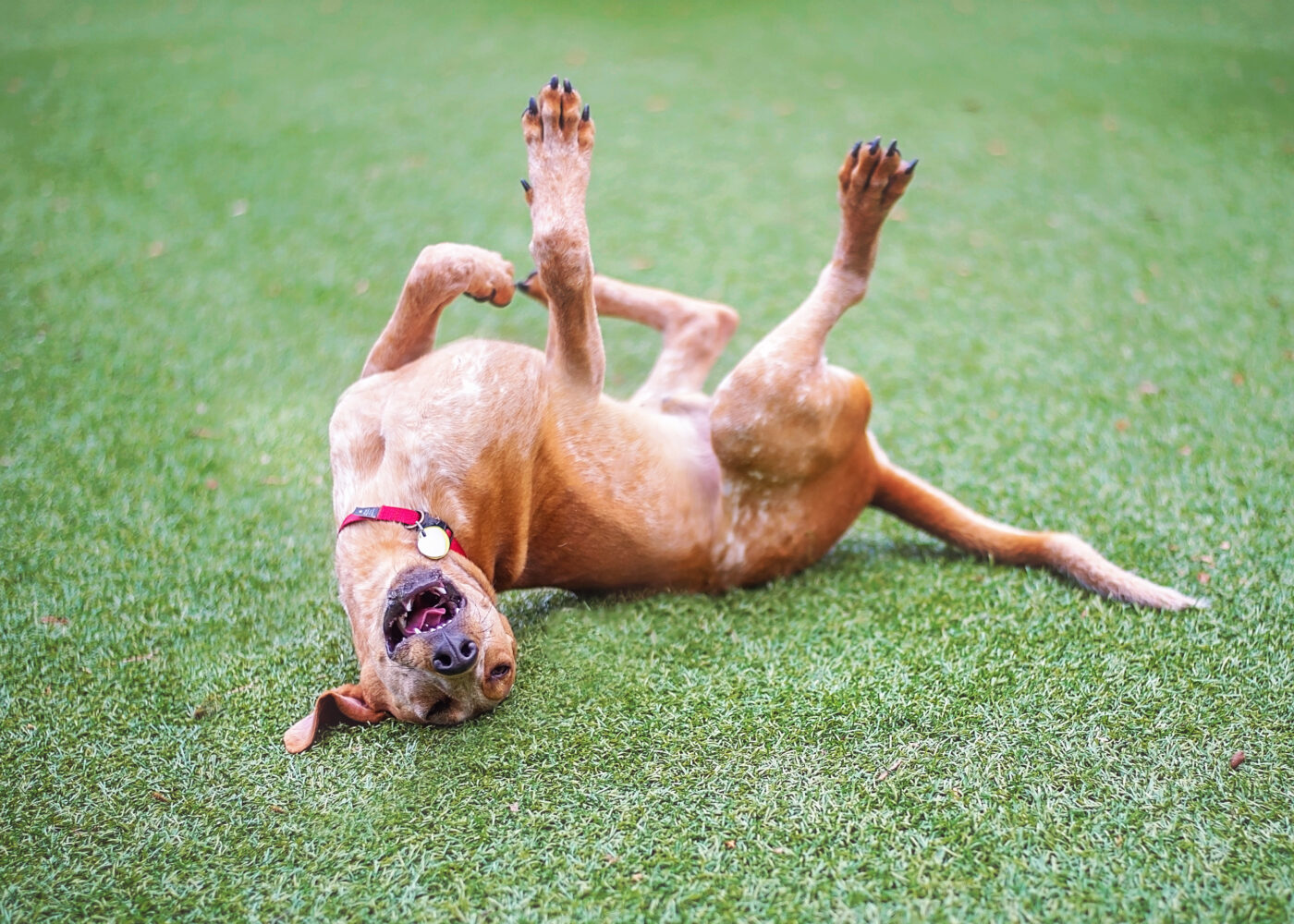
Dog rolling in grass
Shutterstock

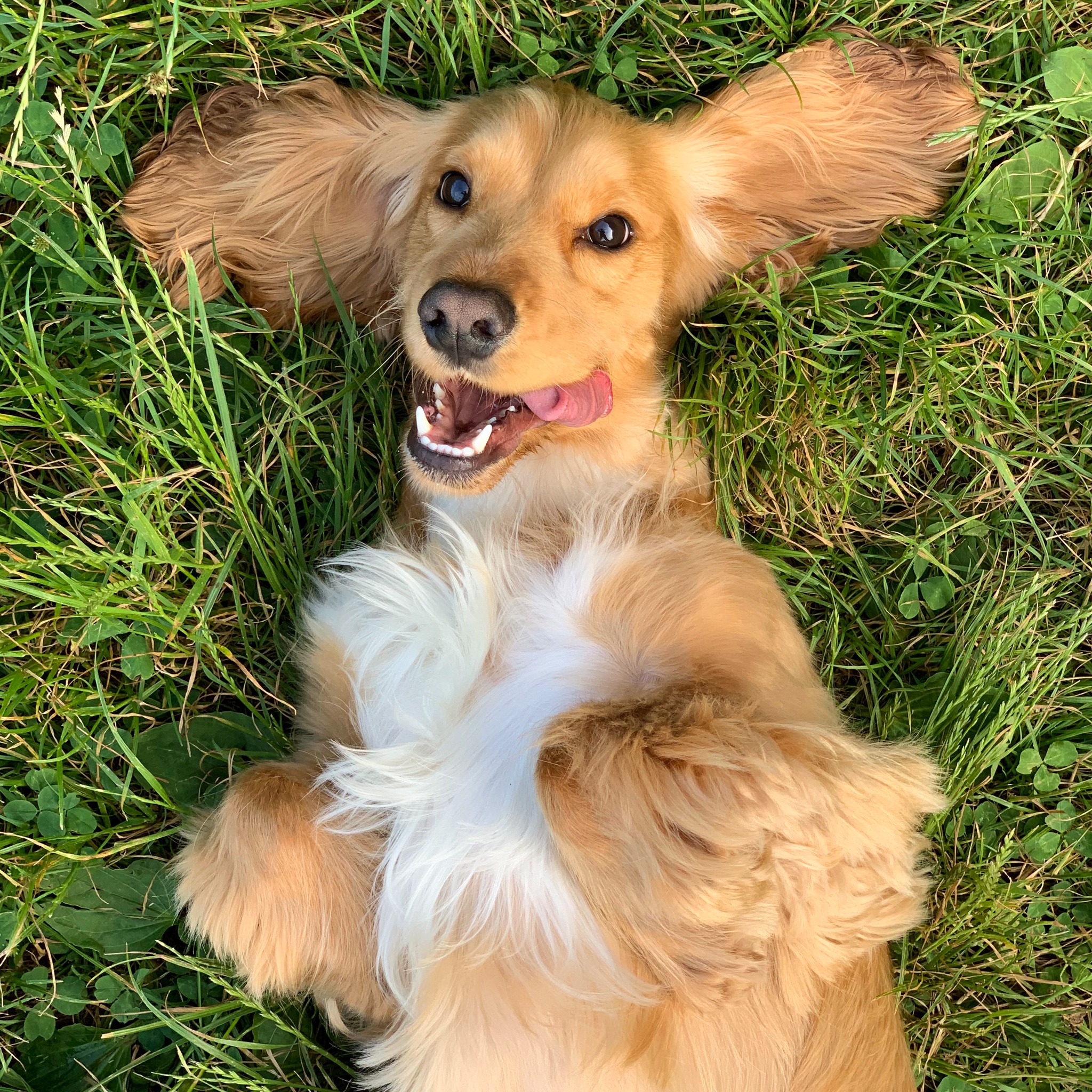
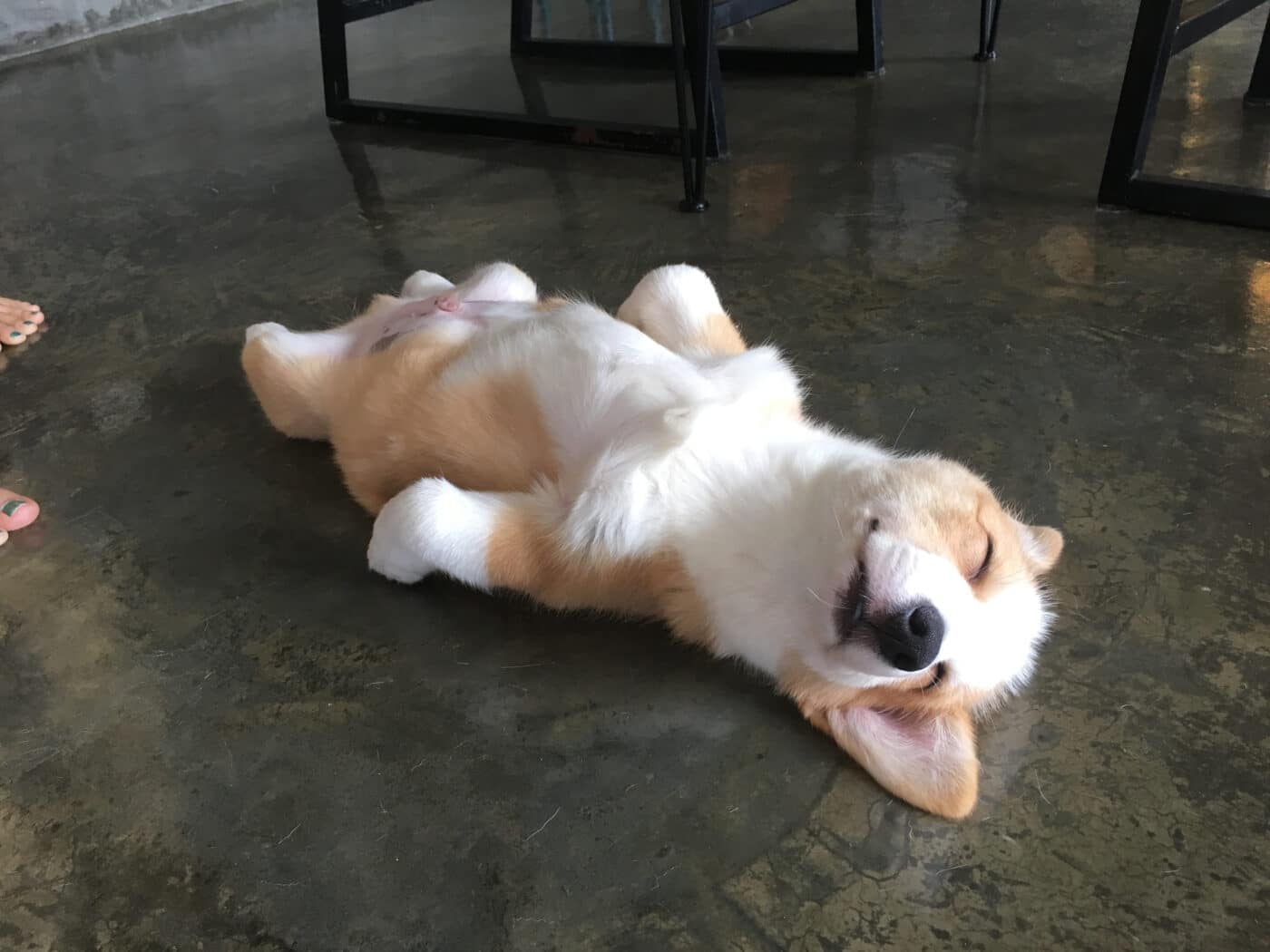
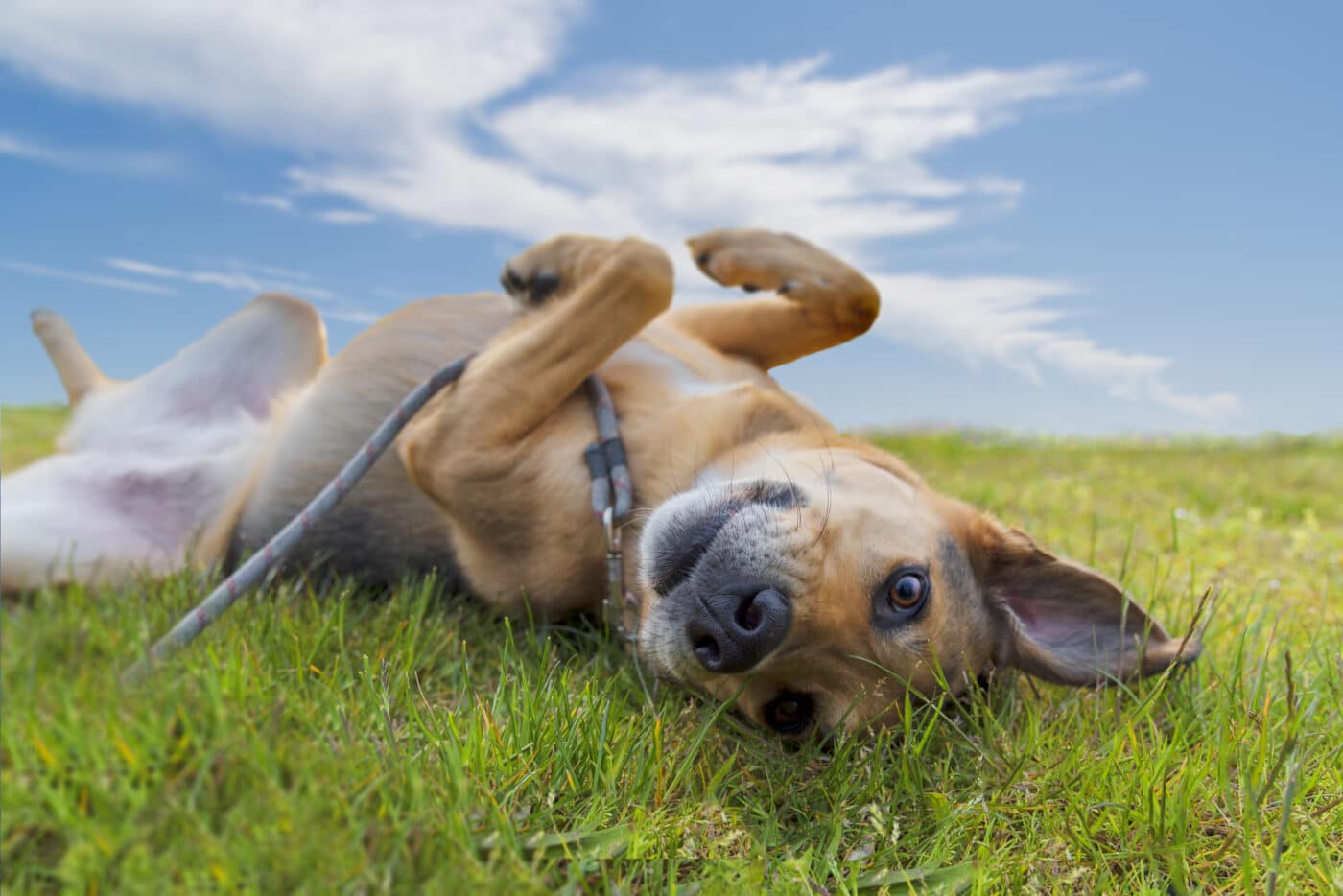
The endearing sight of a dog rolling onto its back, exposing its belly for a rub, is a familiar and cherished moment for pet owners. This charming behavior isn’t just a cute quirk; it reveals deep-seated instincts and emotions. Requesting a tummy rub is rooted in a dog’s psychology and biology, offering insights into their social nature and bonding habits. Understanding why dogs crave this attention can enhance our connection with them, revealing the secret language behind their adorable antics.

The Psychology Behind Tummy Rubs

Shutterstock

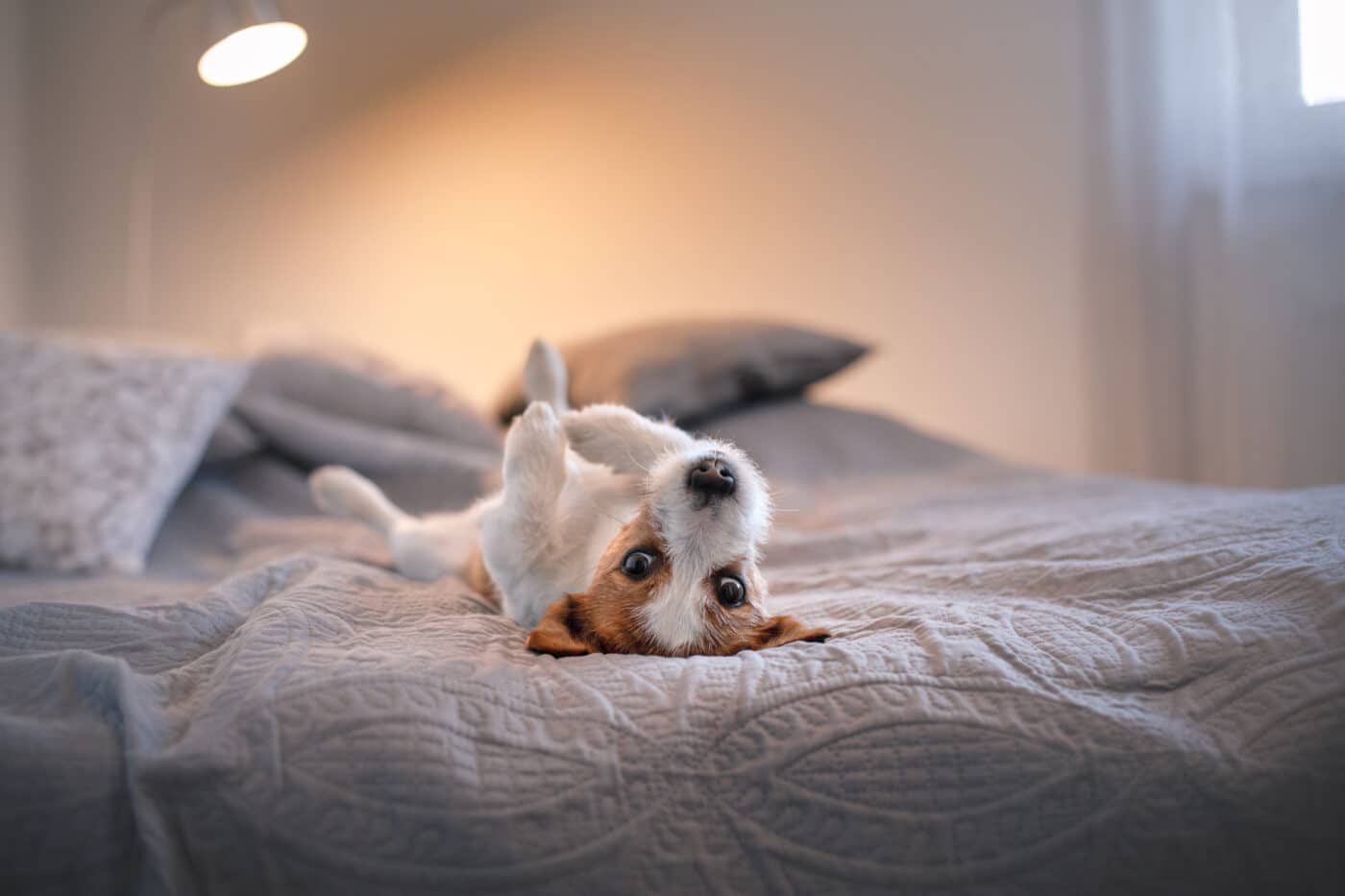
Dogs are naturally pack animals, and their social behavior reflects this ancestry. When a dog lies on its back, it displays vulnerability, signaling trust and submission. This position is not just an invitation for affection; it showcases the dog’s comfort with its human companion. In a pack, belly exposure would often mean a willingness to be accepted and cared for by others. Thus, when dogs roll over, they are not merely seeking a scratch but expressing a profound bond and reliance on their human counterparts.

The Evolutionary Perspective

Shutterstock

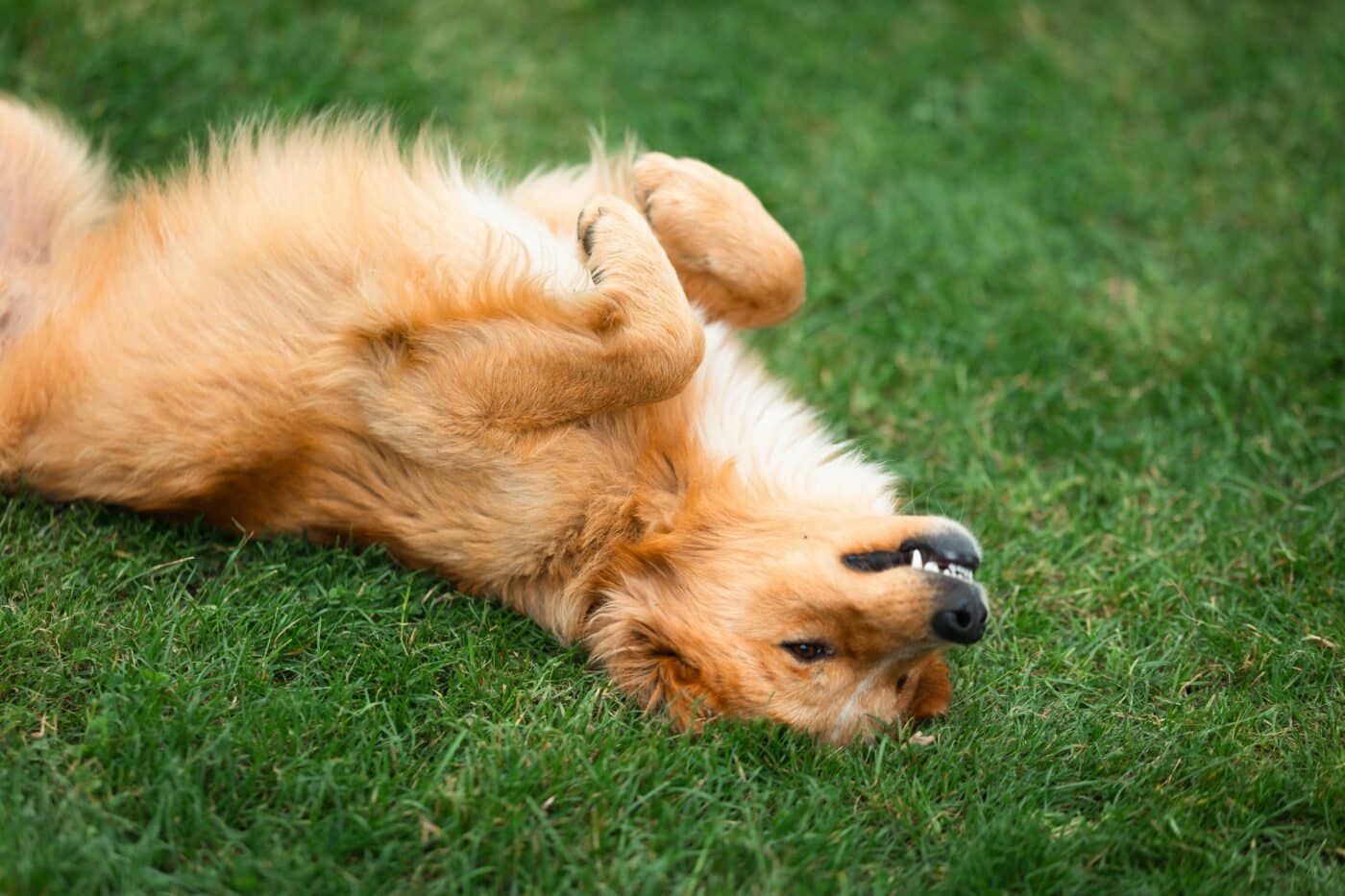
Evolutionarily, the desire for belly rubs can be traced back to a dog’s wild ancestors. In the wild, belly exposure could indicate a relaxed state, helping to establish social hierarchies and reduce tension among pack members. This behavior persists in domestic dogs, who retain these instinctual traits. The act of belly rubbing can mimic the grooming behavior seen in many animal species, where physical touch helps to reinforce bonds and promote social cohesion. This deep-rooted need for connection explains why many dogs actively seek out this interaction.

The Pleasure Principle

Shutterstock

Dogs have a unique sensory world, with their skin containing numerous nerve endings that respond to touch. When a dog receives a tummy rub, it activates pleasure receptors in their brain, releasing feel-good hormones like oxytocin. This is akin to the sensation humans experience during a massage or a warm embrace. The gentle pressure and strokes of a tummy rub provide a sensory experience that is comforting and pleasurable, solidifying the dog’s affinity for this activity. It’s a joyful experience for them, resulting in that blissful, sometimes comical, expression of relaxation.

Socialization and Bonding

Shutterstock

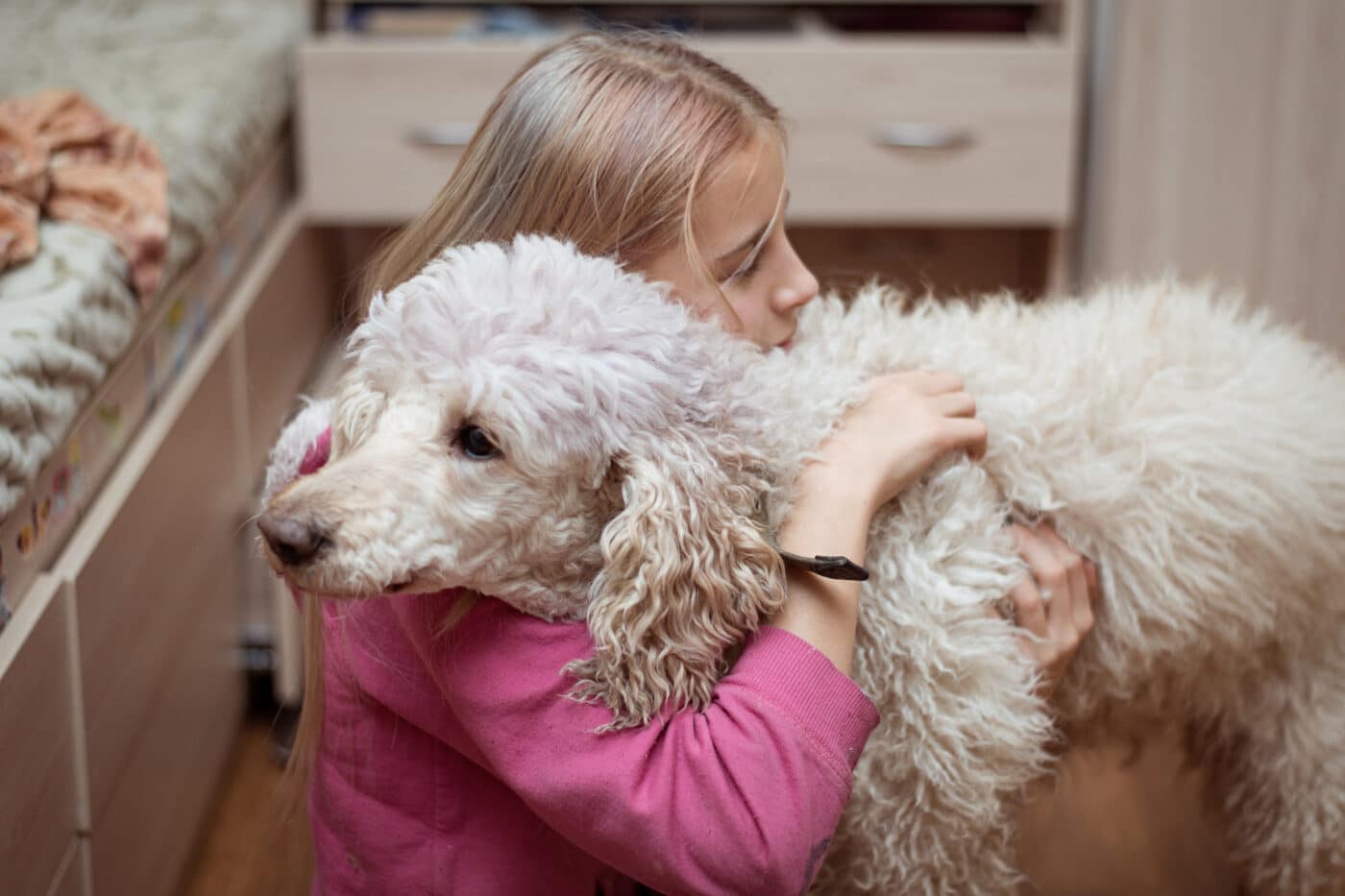
Tummy rubs are crucial to a dog’s socialization process. Puppies learn about physical affection and trust from their mother and littermates through various interactions, including gentle grooming. These early experiences shape their understanding of how to communicate and bond with humans later in life. Owners reinforce that physical touch is safe and pleasurable by giving a tummy rub. This interaction can strengthen the emotional connection between the dog and the owner, enhancing feelings of love and loyalty.

The Role of Body Language

Shutterstock

Understanding canine body language is vital to interpreting the message behind a dog’s tummy-up display. When a dog rolls over and shows its belly, it often means they feel safe and relaxed in their environment. This position is typically accompanied by other body language signals, such as a wagging tail, relaxed ears, and a soft gaze, all indicating a happy and content dog. Conversely, if a dog appears tense or is not fully comfortable, it might expose its belly out of submission rather than a desire for affection. Recognizing these cues allows pet owners to respond appropriately, ensuring their furry friends feel secure and loved.

The Impact of Tummy Rubs on Behavior

Shutterstock

Interestingly, giving tummy rubs can significantly affect a dog’s behavior and overall well-being. This affectionate activity can help reduce anxiety and stress levels in dogs. Regular physical interaction fosters a positive emotional state, which can mitigate behavioral issues such as separation anxiety or fearfulness. This nurturing practice can be particularly beneficial for rescue dogs or those with a troubled past, helping them build trust and confidence in their new home.

Cultural Differences in Canine Affection

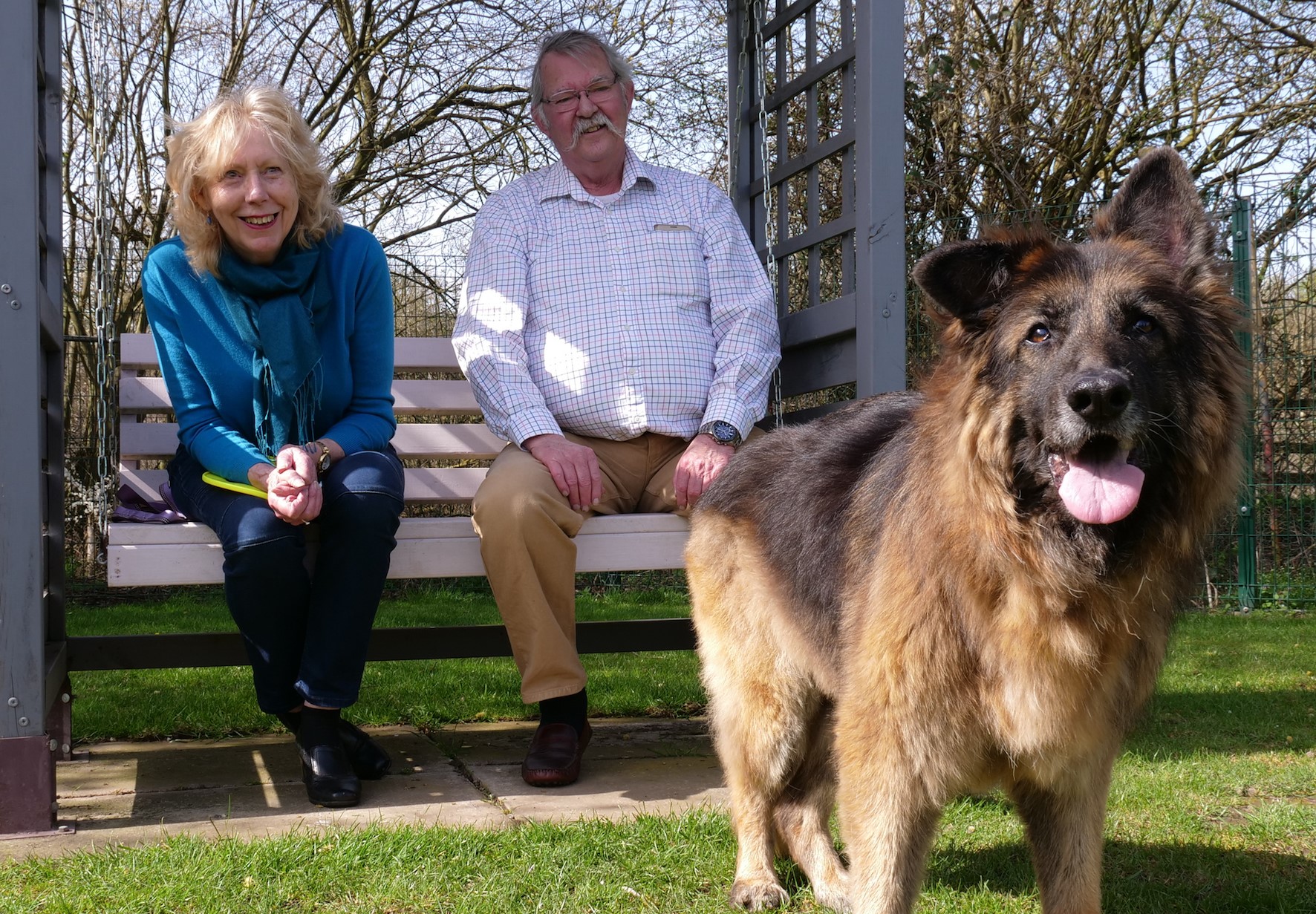
Couple adopted German Shepherd
Shutterstock

While tummy rubs are universally adored by dogs, cultural differences can influence how humans interpret and engage in this practice. In some cultures, dogs are viewed primarily as working animals; in others, they are cherished family members. This can affect how often dogs receive physical affection. However, despite cultural norms, dogs’ intrinsic desire for physical touch remains consistent. A dog from any background will likely respond positively to a gentle belly rub, reinforcing that affection is a universal language understood across species.

The Science of Touch

Shutterstock

Recent studies have highlighted the importance of touch in strengthening the bond between humans and dogs. Physical affection, like tummy rubs, can increase the bonding hormone oxytocin levels in both the dog and the owner. This biochemical response emphasizes the reciprocal nature of the interaction; while the dog feels loved and cared for, the owner experiences joy and fulfillment. This mutual exchange is essential for creating a strong, lasting relationship, making tummy rubs more than just a cute habit; they are an integral part of the emotional well-being of both parties.

Tummy Rubs and Health Benefits

Shutterstock

Beyond emotional connections, tummy rubs can also contribute to a dog’s physical health. The gentle pressure applied during a tummy rub can stimulate blood flow and encourage relaxation. This, in turn, can improve digestion and alleviate stress, contributing to a more balanced and healthy life. Regular belly rubs can also help owners monitor their dog’s physical condition as they become familiar with the dog’s body and can easily detect any unusual lumps or changes. Thus, tummy rubs play a dual role, enhancing both emotional and physical well-being.

The Ritual of Tummy Rubs

Shutterstock

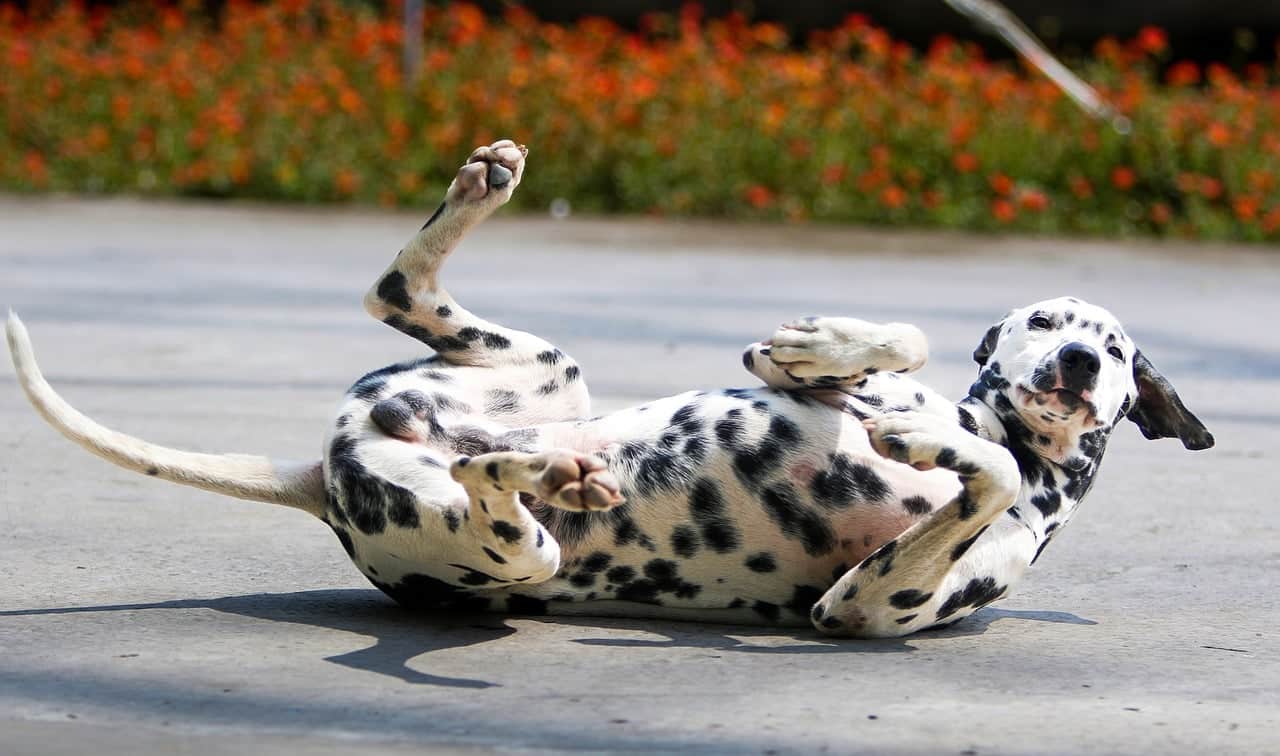
For many dog owners, the ritual of giving tummy rubs has become a cherished daily routine. It often begins with a dog’s playful antics—rolling around, wagging its tail, and looking up with eager eyes. This playful display serves as an invitation for interaction. The ensuing tummy rub often creates a sense of calmness and joy, transforming the home environment into a sanctuary of love. Such rituals strengthen the bond and offer a moment of shared happiness in the often chaotic lives of both dogs and their humans.

Recognizing the “No-Go” Zone

Shutterstock

While many dogs adore tummy rubs, respecting their boundaries is crucial. Some dogs may not appreciate belly rubs due to past trauma or personal preference. Recognizing signs of discomfort—such as tensed muscles, growling, or attempts to get away—is essential for maintaining trust. Understanding that every dog is unique allows owners to tailor their approach to each individual’s comfort level, ensuring the experience remains enjoyable and stress-free.

Tummy Rubs as a Form of Training

Shutterstock

Interestingly, tummy rubs can also be incorporated into training techniques. Dogs rewarded with affection for desired behaviors may be likelier to repeat those actions. This positive reinforcement method leverages dogs’ natural affinity for tummy rubs, making training more effective and enjoyable. Whether teaching a new trick or reinforcing basic commands, integrating physical affection into the training process can foster a more engaged and motivated learner.

The Joy of Shared Moments

Shutterstock

Ultimately, the joy derived from tummy rubs transcends the mere act of physical contact. It encapsulates a shared moment of happiness, trust, and connection. Each session becomes a cherished memory, reinforcing the deep bond between a dog and its owner. These moments allow for laughter, play, and affection, reminding us of the simple joys of pet ownership. Whether the sound of a contented sigh or a goofy grin accompanies a good belly rub, these interactions highlight our unique and fulfilling relationship with our canine companions.

Canine Belly Rub Olympics

Shutterstock

Tummy rubs can feel like the Canine Belly Rub Olympics, with our furry friends showcasing their best techniques. Each playful moment brings laughter and joy, highlighting our love with our dogs. So, cherish the connection represented the next time your dog presents that irresistible belly. In the world of pet ownership, every rub counts and strengthens the bond we hold dear. Celebrate these magical interactions that enrich our lives and deepen our relationships with our beloved companions, reminding us why we love them.

The post The Secret Behind A Dog’s Love For Tummy Rubs appeared first on iHeartDogs.com.



via Whisker Therapy
Shutterstock

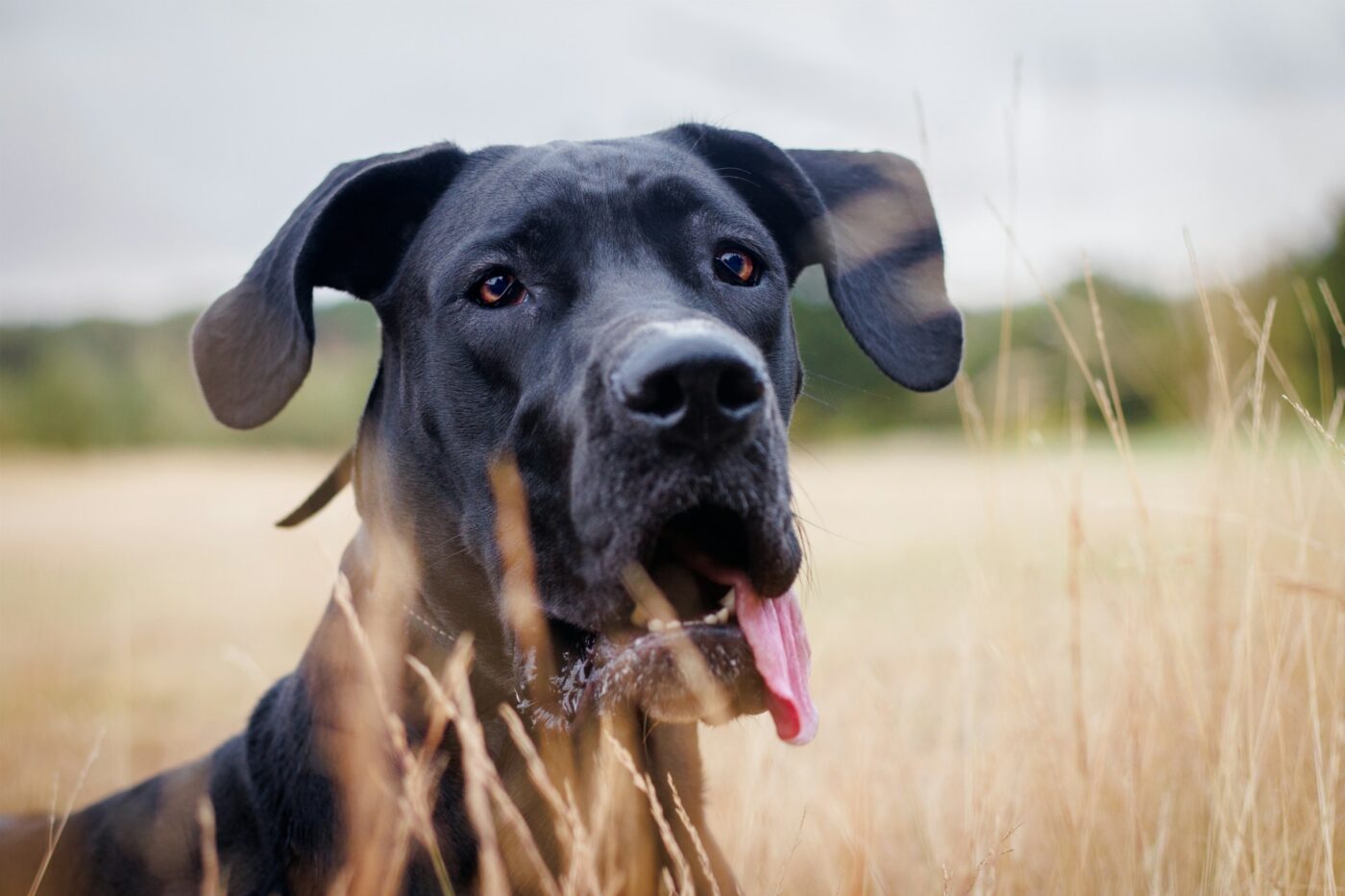
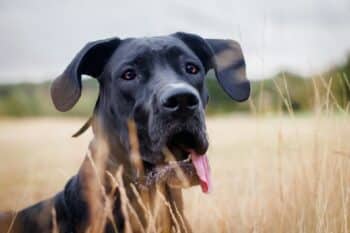
Great Danes are affectionately known as “gentle giants” for their colossal size and loving temperament. These towering dogs have long fascinated pet lovers with their majestic appearance and kind hearts, but there’s so much more to them than just their size. From their historical roots to their unique habits, Great Danes hold plenty of surprises! Here are nine fun facts you probably didn’t know about these lovable giants.

Great Danes Weren’t Actually Danish!

Shutterstock

Despite their name, Great Danes originated in Germany, where they were initially bred to hunt boars. Germans called them “Deutsche Dogge,” or “German Mastiffs.” It wasn’t until they became popular throughout Europe that the name “Great Dane” emerged, sticking despite their true heritage.

They’re One of the Tallest Dog Breeds

Shutterstock

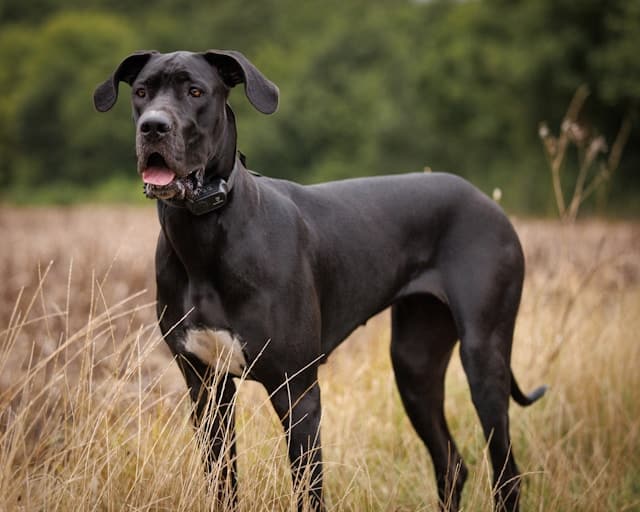
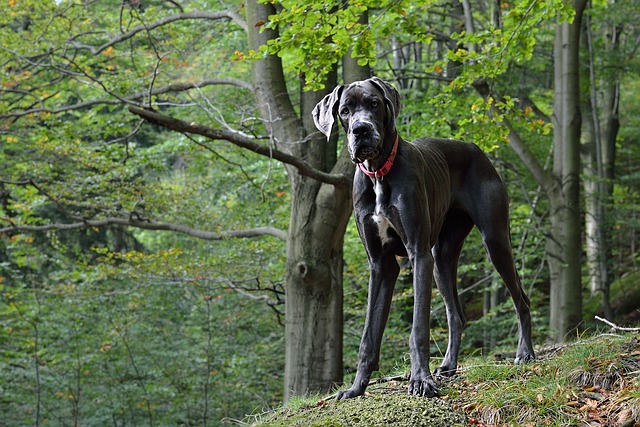
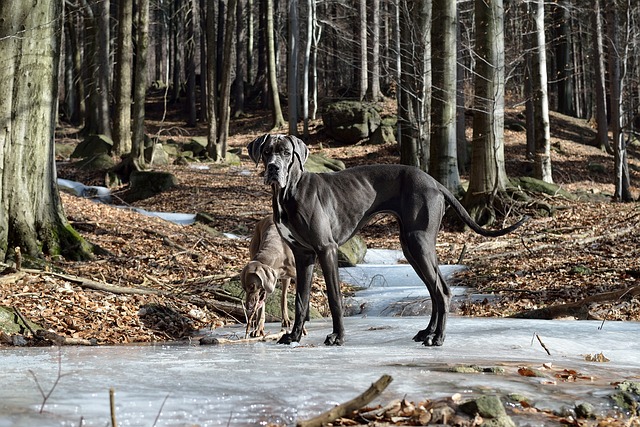
With their legs stretching up to 32 inches at the shoulder, Great Danes are one of the tallest dog breeds in the world! In fact, Zeus, the tallest Great Dane on record, reached a whopping 44 inches at the shoulder. Their impressive height contributes to their nickname, “Apollo of dogs,” referring to their stately stature.

Great Danes Were Once Royal Protectors

Shutterstock

In addition to their hunting prowess, Great Danes were cherished by European nobility for their protective instincts. They often guarded royal households and estates, a role they were more than equipped for given their size and strength. Known for their loyalty, they provided both protection and companionship to their owners.

They’re Surprisingly Graceful

Shutterstock

Despite their large size, Great Danes are known for moving with remarkable grace and elegance. Their gait is smooth and balanced, and they can sometimes even seem regal in how they carry themselves. This poise is a trait they share with smaller, more agile breeds, making them surprisingly light on their paws.

Great Danes Can Be Couch Potatoes

Shutterstock

While they look like they’d need tons of exercise, Great Danes are often content lounging around. Known as “gentle giants,” they enjoy relaxing alongside their families, often curling up (or attempting to) on couches or beds. Though they do need regular exercise, they’re more likely to be seen snoozing than sprinting!

They Have a Wide Color Variety

Shutterstock

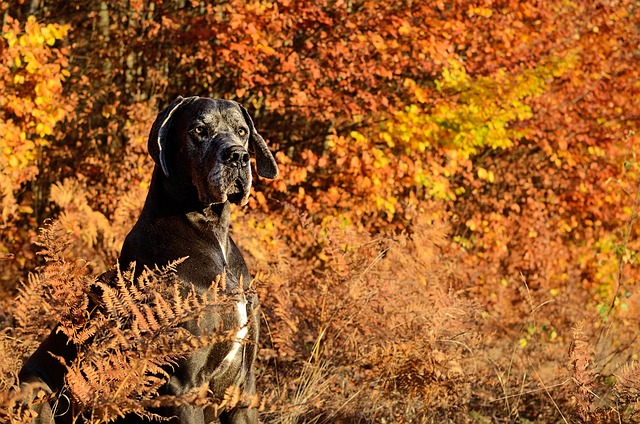
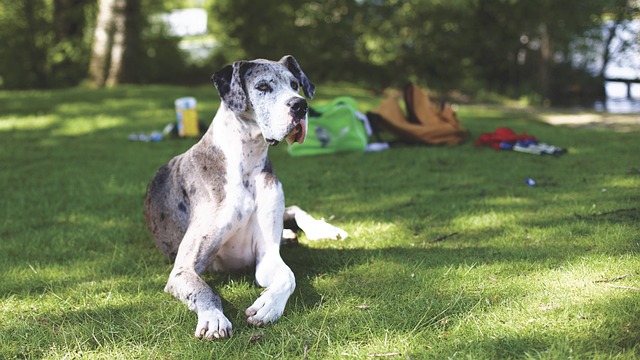
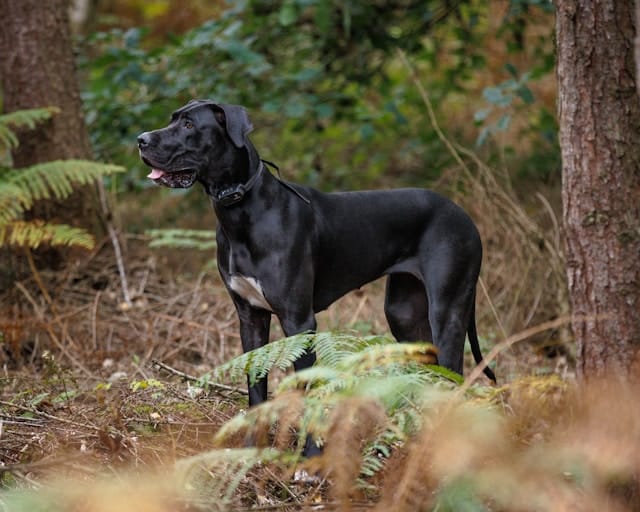
Great Danes come in a range of striking colors and patterns, including fawn, brindle, blue, black, harlequin, and mantle. The harlequin pattern is one of the most unique and recognizable, with its white base coat and black patches. This variety makes each Great Dane visually distinct and adds to the breed’s charm.

Great Danes Are Known for Their “Dane Lean”

Shutterstock

If you’re friends with a Great Dane, you may have experienced the “Dane lean,” a quirky trait where they lean their entire body weight against their favorite people. This endearing habit is their way of seeking attention or simply expressing affection. It’s one of the ways these gentle giants show their love!

They Can Out-Eat Many Other Dogs

Shutterstock

Great Danes require a substantial amount of food to fuel their massive bodies. They typically eat around 6-10 cups of food a day, depending on their size and activity level. This dietary requirement means that prospective owners should be prepared for both a big heart and a big appetite!

They’re Surprisingly Sensitive

Shutterstock

Beneath their imposing exterior, Great Danes have sensitive and often gentle temperaments. They form strong bonds with their owners and thrive on positive reinforcement, often becoming anxious or withdrawn with harsh discipline. They love to be part of the family and enjoy social interactions, making them loyal and gentle pets.

Big Love from the Gentle Giants

Shutterstock

Great Danes bring more than just their size to the table—they offer a blend of loyalty, playfulness, and elegance that makes them truly special. Each fun fact showcases why they are adored by families and dog enthusiasts worldwide. Whether you’re marveling at their size or charmed by their gentle personality, one thing is for sure: Great Danes have a way of stealing hearts and spaces on couches, one gentle lean at a time!

The post 9 Fun Facts You Didn’t Know About Great Danes appeared first on iHeartDogs.com.


via Whisker Therapy
Shutterstock

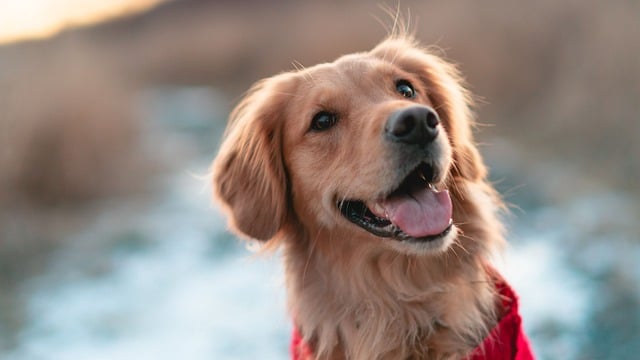
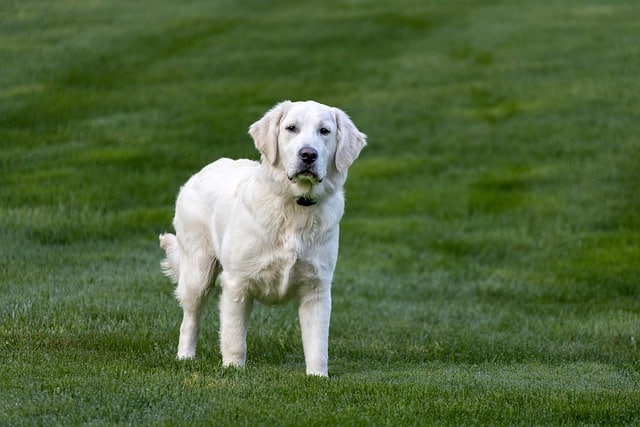
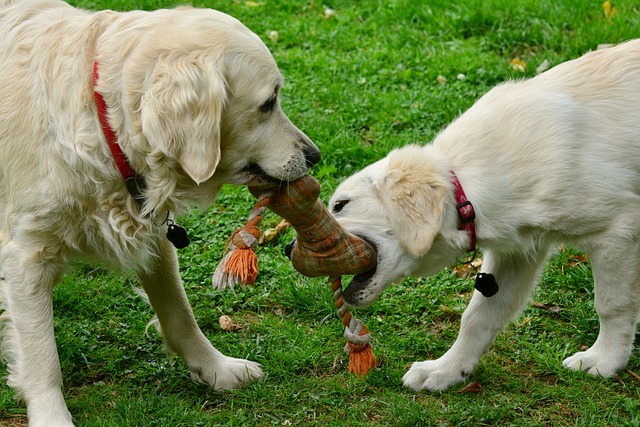
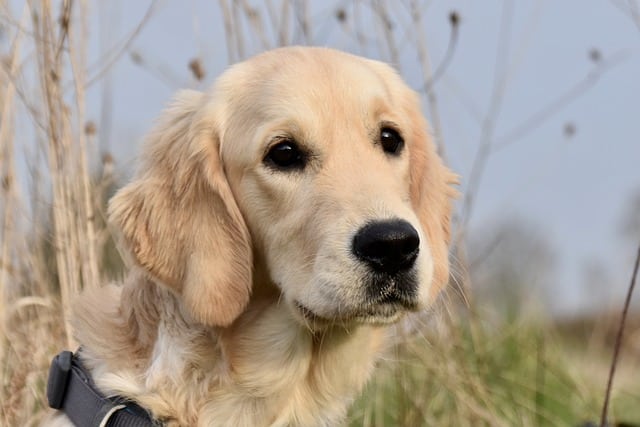
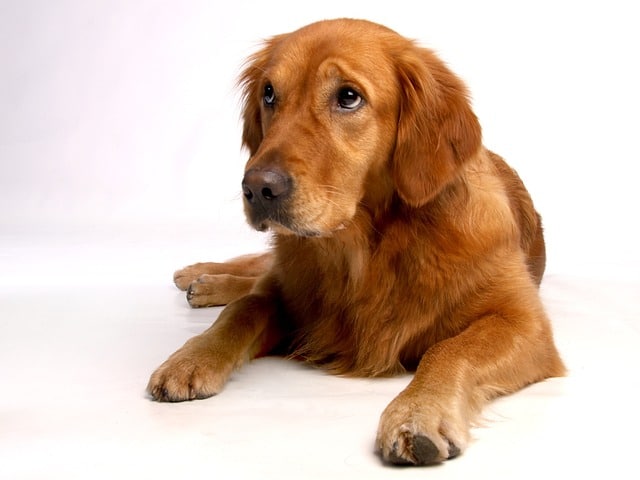
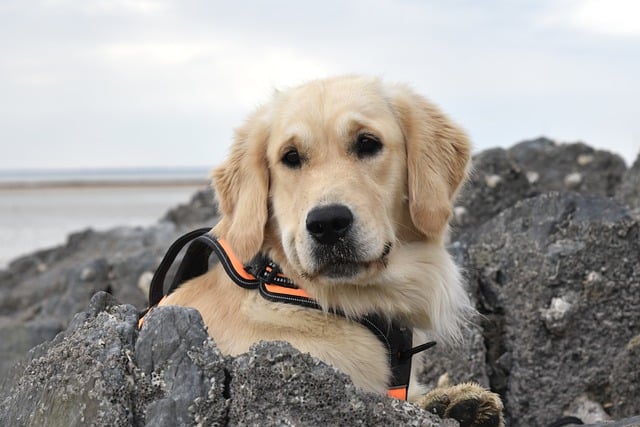
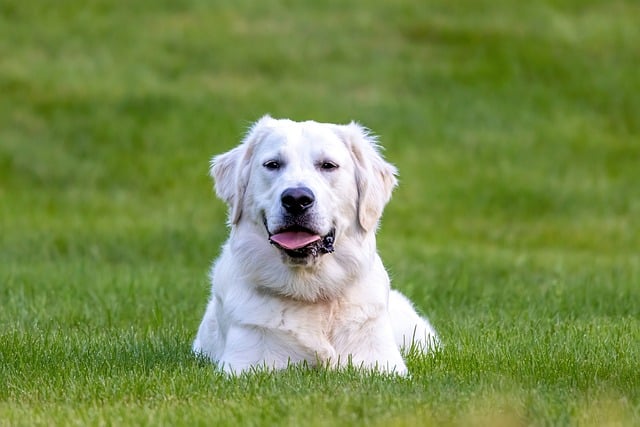
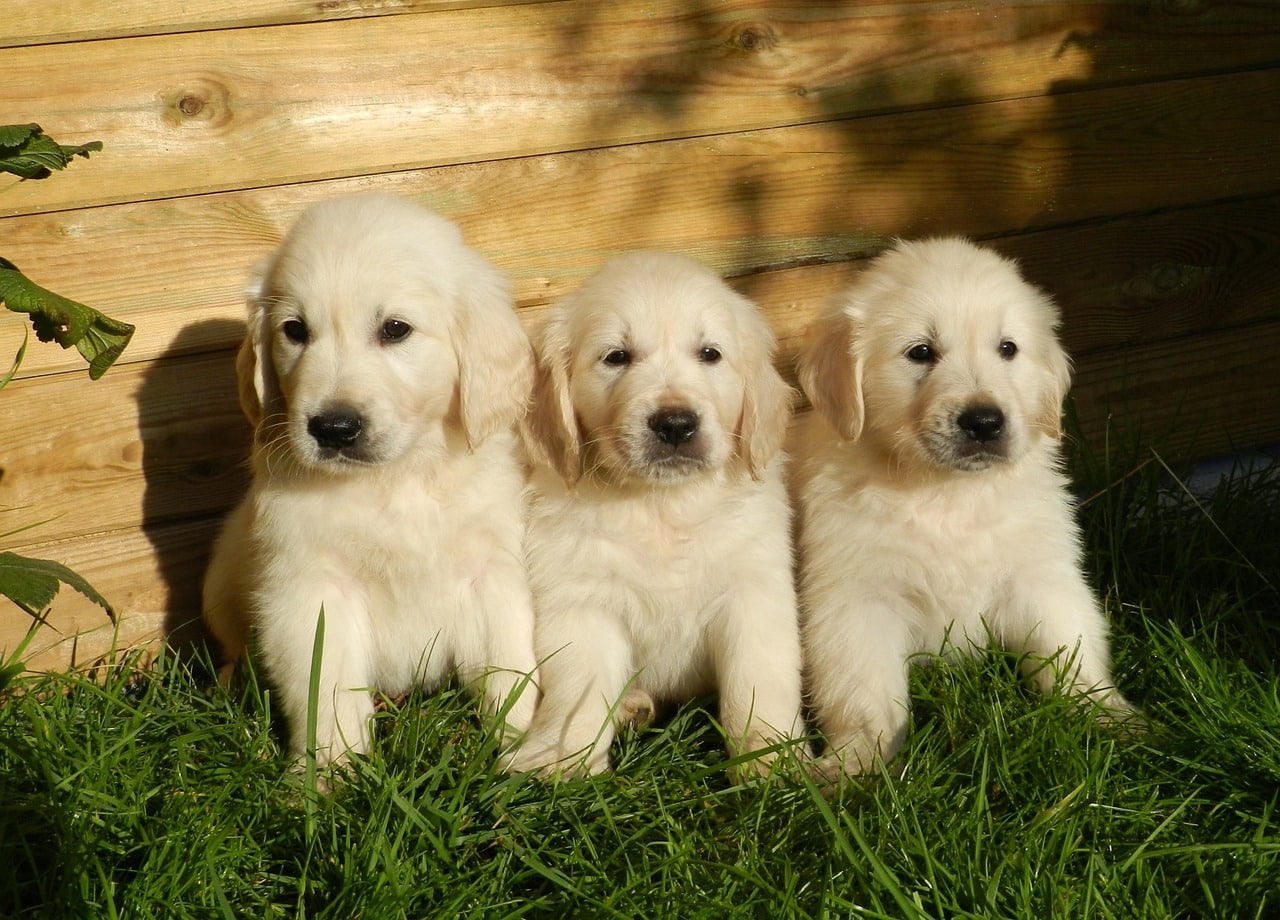
Golden Retrievers are one of the most beloved dog breeds around the world, known for their gentle nature, intelligence, and unbreakable loyalty. While they’re famous for their friendly temperament and fetching skills, there’s a lot more to this breed than meets the eye! Dive into these fun and fascinating facts to discover more about the Golden Retriever’s unique history, impressive talents, and quirks. Whether you’re a Golden lover or a curious dog enthusiast, these facts will give you even more reasons to adore this iconic breed.

They Were Bred for Fetching, Literally!

Shutterstock

Golden Retrievers were originally bred in Scotland in the 1800s to retrieve waterfowl during hunting expeditions. Their natural love for fetching, swimming, and their water-resistant coats made them the perfect hunting companions for nobility. This explains why many Goldens today are naturals at fetching and love a good swim!

They Can “Smile”

Shutterstock

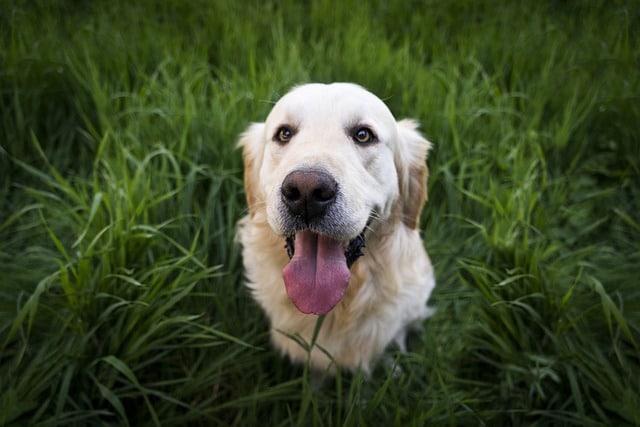
Golden Retrievers are known for their expressive faces, and some even appear to “smile.” This unique expression is due to their friendly nature and facial structure, which can mimic a human smile when they’re relaxed or happy. Their smile adds to their charm and is one of the reasons why they’re so beloved as family dogs.

They Have Three Different Types

Shutterstock

Golden Retrievers come in three distinct types: American, British, and Canadian. American Goldens tend to have a darker, leaner appearance, British Goldens are stockier with lighter coats, and Canadian Goldens are often a bit taller. Despite these differences, all Golden Retrievers share similar temperaments and are equally affectionate and loyal.

They’re Ranked as the 4th Smartest Dog Breed

Shutterstock

Golden Retrievers consistently rank high on intelligence tests and are the fourth smartest dog breed, after Border Collies, Poodles, and German Shepherds. This intelligence makes them quick learners and highly trainable, whether for service work, therapy, or dog sports. It’s part of why they excel as family pets and working dogs alike.

Their Coats “Blow” Seasonally

Shutterstock

Golden Retrievers are known for their luxurious, double-layered coats that shed significantly during spring and fall. This process, often called “coat blowing,” helps them adapt to seasonal changes. While it means a bit of extra cleaning, their silky coats are well worth the effort, especially when they’re giving you that heart-melting look.

They Have a Natural “Soft Mouth”

Shutterstock

One of the unique qualities of Golden Retrievers is their “soft mouth,” an inherited trait that makes them gentle with items they carry. This trait was essential for retrieving game without damaging it, and today, it’s why Goldens can carry eggs or delicate objects without breaking them. This gentle mouth makes them great with kids and fragile items!

They Can Sense Emotions

Shutterstock

Golden Retrievers are incredibly empathetic and can often sense their owners’ emotions, responding to sadness, stress, or joy with comforting gestures. Their emotional intelligence has made them popular therapy dogs, bringing comfort to those in hospitals, nursing homes, and schools. Their intuitive nature creates a strong bond with their humans, making them remarkable companions.

They’re Stars of the Big Screen

Shutterstock

Golden Retrievers have been Hollywood stars, appearing in popular films like Air Bud, Homeward Bound, and countless family films. Their loyal, lovable nature translates perfectly to the screen, making them a favorite choice for animal roles. With their expressive faces and affectionate personalities, they easily win over audiences worldwide.

They’re Always Hungry for a Reason

Shutterstock

Golden Retrievers are known for their insatiable appetites, and this trait is actually part of their genetic makeup. Studies have shown that they may have a gene variation that makes them more prone to hunger cues. While this makes them highly food-motivated for training, owners must be mindful of their diet to avoid overeating.

The Canine Stars That Keep on Giving!

Shutterstock

Golden Retrievers are truly one-of-a-kind companions who continue to impress and surprise us with their unique traits. Their history, intelligence, and loving nature make them unforgettable members of any family lucky enough to have one. Whether you’re already a Golden lover or considering adding one to your family, these fun facts prove just how incredible and lovable Golden Retrievers really are. So the next time you’re playing fetch or getting those “hungry eyes” from your Golden, remember—there’s always something new to discover about these fascinating dogs!

The post 9 Fun Facts You Didn’t Know About Golden Retrievers appeared first on iHeartDogs.com.


via Whisker Therapy
Shutterstock

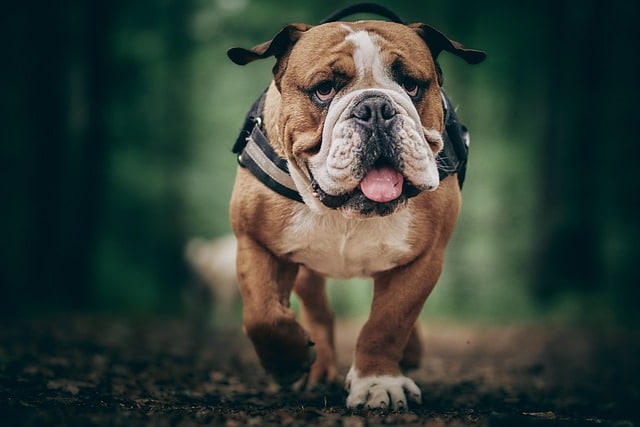
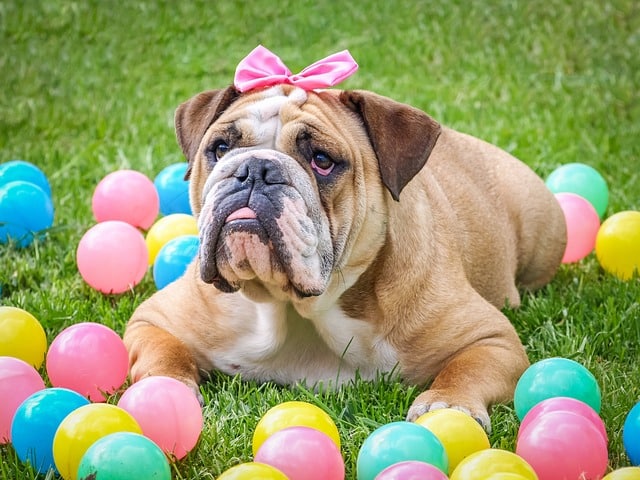
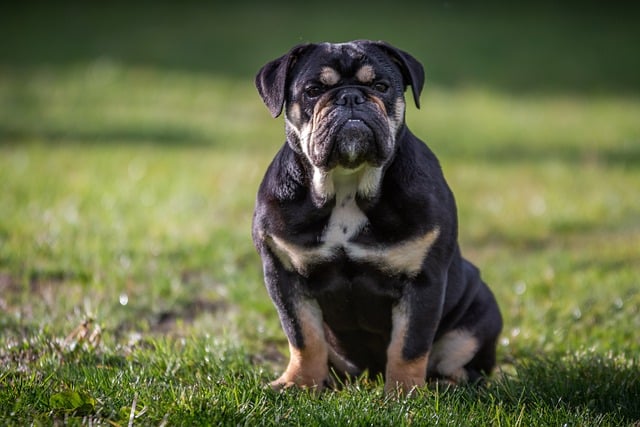
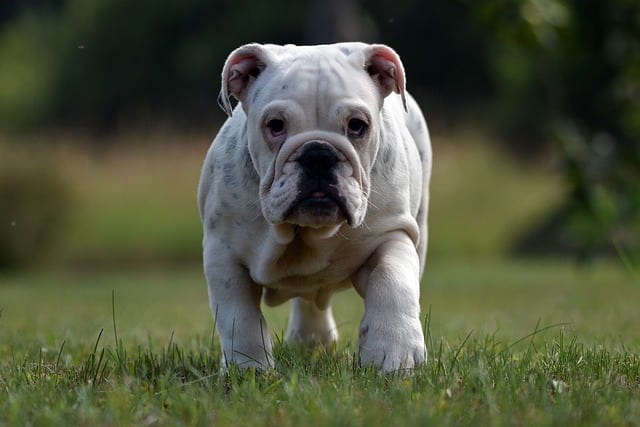
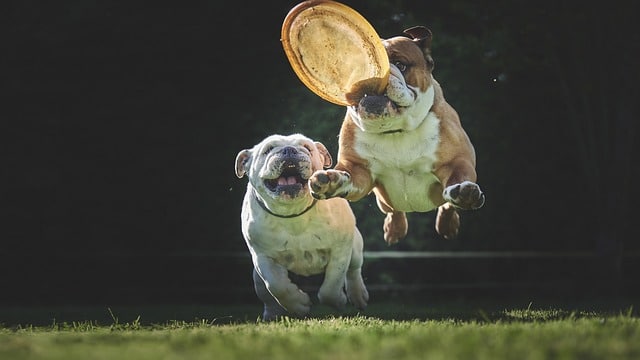
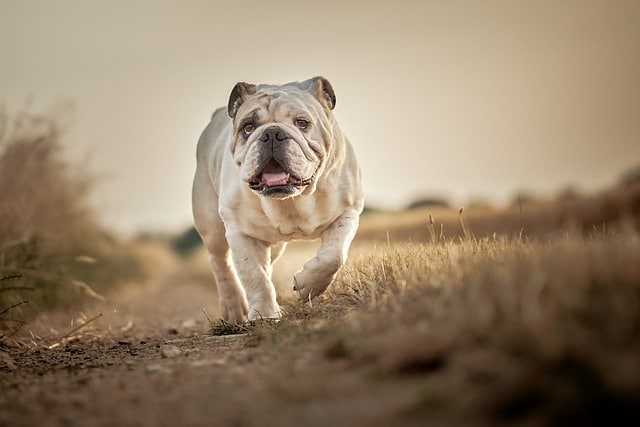
Bulldogs are one of the most recognizable and beloved dog breeds, famous for their wrinkled faces, muscular bodies, and sweet personalities. Originally bred for bull-baiting, Bulldogs have transformed over the years into gentle and affectionate companions who fit well in homes worldwide. But despite their popularity, there are many fascinating details about Bulldogs that most people don’t know. Here, we’re diving into nine fun facts that reveal more about the quirks, history, and unique traits of these charming dogs.

Bulldogs Were Originally Bred for Bull-Baiting

Shutterstock

While today’s Bulldogs are gentle and loving, their ancestors were bred for a sport called bull-baiting in 13th-century England. They needed to be strong and courageous, with a tenacious bite, making them ideal for this cruel pastime. Thankfully, once bull-baiting was banned, Bulldogs were bred to become gentler and more family-oriented.

They Have a Stubborn Yet Lovable Personality

Shutterstock

Bulldogs are known for being stubborn, which can make training a bit of a challenge. However, this trait also reflects their independent and resilient nature. With the right approach, patience, and positive reinforcement, Bulldogs can learn commands and become obedient family pets.

Bulldogs Are Surprisingly Good Swimmers—With Caution

Shutterstock

While their short, stocky bodies and heavy build make Bulldogs poor swimmers, many can enjoy a controlled swim with supervision. Life jackets are essential if you want to let your Bulldog cool off in the water safely. Due to their breathing challenges, Bulldogs should always be monitored near water.

Their Wrinkles Once Served a Purpose

Shutterstock

The famous wrinkles of a Bulldog weren’t just for show; they were originally designed to help channel blood away from their eyes during bull-baiting. Today, these wrinkles make Bulldogs look extra adorable, but they also need regular cleaning to prevent infections and keep them healthy.

Bulldogs Are “Brachycephalic”

Shutterstock

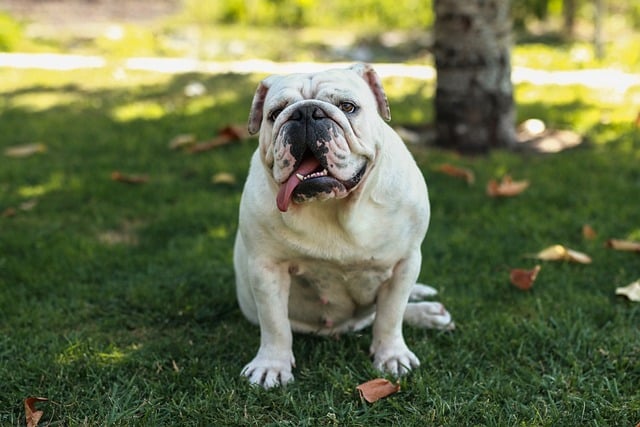
The Bulldog’s characteristic short, flat face is known as “brachycephalic,” a feature shared with breeds like Pugs and Boxers. This head shape gives them a unique look but can lead to breathing difficulties, especially in hot or humid weather. Owners should be mindful of temperature and exercise to ensure their Bulldog stays comfortable.

They Are Born via C-Section More Often Than Other Breeds

Shutterstock

Due to their broad heads and narrow birth canals, Bulldogs are often delivered through cesarean section. Breeders and veterinarians frequently use C-sections to safely bring Bulldog puppies into the world, making it a common procedure for the breed.

Bulldogs Are Known to Be Couch Potatoes

Shutterstock

Despite their muscular appearance, Bulldogs are generally low-energy and love lounging around. They’re perfect for people who appreciate a calm companion rather than a high-energy dog. While they enjoy the occasional playtime, a Bulldog is happiest snoozing at their owner’s feet or on a cozy couch.

Shutterstock

With their tenacious spirit and loyal nature, Bulldogs make a fitting symbol for sports teams and institutions worldwide. They are the official mascot for various universities and even the U.S. Marine Corps. The Bulldog’s reputation for strength and loyalty makes them a popular choice for representing courage and resilience.

Bulldogs Have a Surprisingly Friendly Temperament

Shutterstock

While their tough appearance might suggest otherwise, Bulldogs are incredibly gentle and affectionate. They’re known to be especially great with children, making them excellent family dogs. Their calm demeanor and people-oriented personality make them popular among pet owners of all ages.

Tough Looks, Soft Hearts

Shutterstock

Bulldogs may look tough, but their lovable quirks and friendly personalities prove there’s so much more to them than meets the eye. From their unique history to their low-energy lifestyle, Bulldogs offer a blend of charm, loyalty, and companionship that few other breeds can match. So next time you see a Bulldog, remember these fun facts and appreciate all the fascinating qualities that make them truly one-of-a-kind!

The post 9 Fun Facts You Didn’t Know About Bulldogs appeared first on iHeartDogs.com.


via Whisker Therapy
Contact Form

Name

Email *

Message *

Theme images by Storman. Powered by Blogger.