Latest Post

dogs and cold weather, dog house, cold temperatures, bernese mountain dog, body temperature, alaskan malamute, pet, american eskimo dog, great pyrenees, dog warm, fur, degrees fahrenheit, small dogs, cold air

People are not the only ones who can suffer from cold weather.  Dogs and cold weather can also be a problem.  Cold temperatures can bother us all!  Plus, time spent outdoors in frigid weather can be exhausting.

Most people are under the misguided idea that because dogs have fur coats, that cold temperatures do not bother them.

There is some truth in that statement. Most dogs prefer a little bit of cold air over extreme heat.  And their fur coats shield them from some of both heat and cold.

Very few dogs are “built” for the cold weather anymore.  Sure the Alaskan Malamute and the Siberian Husky were genetically bred to withstand even extreme drops in temperature, and many of them are still used in some parts of the country to drive sleds as part of their job.  These dogs spend almost all of their time outside.

dogs and cold weather, dog house, cold temperatures, bernese mountain dog, body temperature, alaskan malamute, pet, american eskimo dog, great pyrenees, dog warm, fur, degrees fahrenheit, small dogs, cold air

When I was 18, I knew a couple that lived in a tiny cabin on the top of a mountain in Wyoming.  They had about a dozen Alaskan Malamute/Husky mixes that lived outside all year long.  Their dog houses were made to rise with the snow in the winter time so that they could still provide cover.  These friends literally couldn’t get back to their home without the help of their sled dogs because their vehicles couldn’t make the trip during the most extensive parts of winter.  They would park their cars several miles away and take their dog team back and forth when they needed to make their way down the mountain and into town.

Although this would not be how I would have or treat my dogs, I can assure you that these dogs did quite well in cold weather because they had adjusted to it, spent all of their time outside, and never knew anything else.

When I used to compete in obedience and protection sports in summer, it was always easy to tell which dogs spent more time outside.  These dogs didn’t suffer in the heat quite as badly.  I for one have a dog that is very temperature sensitive, and so I can only compete outside if conditions are right for her and her health problems.  For me, it all depends on the amount of time she will have to spend outside in the heat or the cold.

Working dogs (police dogs, guide dogs, and service dogs) are also usually better at dealing with temperature differences because they spend a great deal of time outside working.

The Difference

The difference is that most pets no longer live outdoors.

As a veterinary technician, I see a lot of health problems that abound from dogs and cats that live outside.  Did you know that the average lifespan of a cat that lives outside is three years?  However, cats that live inside can live upwards of 20 years!  Living outside is difficult on the body and spending all of your time outdoors can age your body quickly. So, I am all about keeping your pets inside with you.

dogs and cold weather, dog house, cold temperatures, bernese mountain dog, body temperature, alaskan malamute, pet, american eskimo dog, great pyrenees, dog warm, fur, degrees fahrenheit, small dogs, cold air

But, this means your dog isn’t used to freezing temperatures or rough weather for long periods of time.  His tolerance to the cold is much less because he is indoors enjoying the temperatures in which you desire to live.

Climates also change.  I have lived in Wyoming, Wisconsin, Colorado, Georgia, Virginia and now Maryland.  Each has a little bit of a different climate distinct to the area.

I remember schools being closed in Wyoming because the windchill factor was dangerous to be out for mere minutes.  And, Wisconsin pretty much stayed blanketed in snow from fall to spring.  Know your area and the specific dangers that it poses to you and your pets.

Know Your Breed

Obviously the longer the fur on your pet, the higher his tolerance to winter weather.  Bernese Mountain Dogs, American Eskimo Dogs, Golden Retrievers, German Shepherds, and other exceptionally large dogs can combat a colder wind chill and colder temperatures.

dogs and cold weather, dog house, cold temperatures, bernese mountain dog, body temperature, alaskan malamute, pet, american eskimo dog, great pyrenees, dog warm, fur, degrees fahrenheit, small dogs, cold air

Medium sized dogs and smaller dogs, even if furry, struggle more with cold air.   Most have less body mass and are shorter to the ground.  If your undercarriage drags through the wetness and snow, you are going to suffer more from freezing temperatures. Building a sturdy shelter can help these guys avoid lots of snow.

Brachycephalic dogs also struggle more in extreme climates.  Having a broad, short skull and very little snout makes breathing in extreme temperatures very difficult.  I recommend that dog owners of these breeds go outside with these guys both in extreme cold and extreme heat so that they can monitor their dog’s health and response to cold air and weather changes.

Dogs with little to no fur, like the Xoloitzcuintli, should also be closely monitored and left outside for as short a period as possible.

Does Your Pooch have an Undercoat?

Interestingly, some dogs have double coats or undercoat which insulate them from extreme cold and extreme heat.  Most pet owners don’t know that Labrador Retrievers are one of these breeds which make them extremely adept in the cold and cold water while they hunt.  But again, take into account, if your dog isn’t outside often, or out hunting often, extreme temperatures will still bother him.  Undercoats will only help to a degree!

Alaskan Malamutes, Akita, Siberian Huskies, Norwegian Elkhounds, Chow Chows, Belgian Shepherds, Leonbergers, and even Pomeranians have an undercoat which makes them more suited to being outside when it is cold. Dog owners for these breeds don’t have to be as concerned as dog owners of breeds like Greyhounds and other dogs with very short or little fur.

dogs and cold weather, dog house, cold temperatures, bernese mountain dog, body temperature, alaskan malamute, pet, american eskimo dog, great pyrenees, dog warm, fur, degrees fahrenheit, small dogs, cold air

Age Matters

Old dogs and very young puppies can also be more sensitive to weather changes and cold.  Older dogs have a hard time dealing with any significant change when it comes to weather.  Cold hurts old and arthritic joints and can cause significant pain.

It is critical for old dogs to stay warm.   Old dogs can be very fragile. If in doubt, go outside with him to ensure his safety.

dogs and cold weather, dog house, cold temperatures, bernese mountain dog, body temperature, alaskan malamute, pet, american eskimo dog, great pyrenees, dog warm, fur, degrees fahrenheit, small dogs, cold air

Puppies have very little body fat, so it is also important to keep these guys as warm as you can.   I also recommend going outside with your puppy to ensure that he is going potty outside.  I think potty training is more difficult for people in winter because humans don’t want to go outside with their puppy every few hours.  However, just this one thing can be critical to your puppy’s potty training success.

Cold weather, whether you go by degrees Fahrenheit or Celsius, can also make potty training a bit more difficult.  Obviously, if it is below zero outside, many new puppies are not as psyched to be out going potty.

When I used to compete in obedience and protection sports in summer, it was always easy to tell which dogs spent more time outside.  These dogs didn’t suffer in the heat quite as badly.  I for one have a dog that is very temperature sensitive, and so I can only compete outside if conditions are right for her and her health problems.

Be sure to keep your puppy and dog warm as much as possible!

Body Condition Matters

The thinner the dog, the more difficult it is to get and stay warm.

Heavier dogs can stay warm longer and can regulate their body temperatures better.  However, this is not an excuse to have a fat dog!  Fat dogs have difficulty doing a lot of things it is especially difficult on their joints and their internal organs.   You wouldn’t want to be 500 pounds, and you shouldn’t want a dog that is the human weight equivalent of a 500-pound person.

dogs and cold weather, dog house, cold temperatures, bernese mountain dog, body temperature, alaskan malamute, pet, american eskimo dog, great pyrenees, dog warm, fur, degrees fahrenheit, small dogs, cold air

Exercise can also help.  When you are out walking or working, or sledding in the cold, your temperature raises as you exercise.  If your dog needs to burn off some steam, take him out and get that body moving so that the cold won’t bother him.  Be a good pet owner and go play with him!

Frostbite and Hypothermia

Frostbite and hypothermia CAN happen to your dog if he is left out long enough, or left out too long in extreme conditions or with severe wind chills,

Symptoms include weakness, shivering, lack of mental alertness, low blood pressure, low or shallow breathing.

Normal dog temperatures should be between 100 and 102.5 degrees.  If you are concerned that your dog has hypothermia, use a thermometer and take his temperature rectally.  Unfortunately, ear thermometers are not effective in pets.

If your dog is suffering from some hypothermia, care should be taken to warm him up.  Movement should be minimized to prevent further heat loss and a potentially deadly irregular heartbeat.  You can use blankets and even a hair dryer set on medium with care taken to move it rapidly so that it doesn’t burn him.

If your dog likes to be outside during the winter time, be sure you provide him with shelter, and a cold weather insulated dog house.  And, again, don’t leave him out for long periods if you are not checking on him.

dogs and cold weather, dog house, cold temperatures, bernese mountain dog, body temperature, alaskan malamute, pet, american eskimo dog, great pyrenees, dog warm, fur, degrees fahrenheit, small dogs, cold air

Know the signs and what to look for to keep your pet safe.

How to Combat the Cold and Help Your Pet

There are some tricks you can use to help acclimate your dog and make your life easier!

Take care of his feet.

Your dog’s paw pads are at much more risk in winter because of course they aren’t covered in fur.  His paw pads can get cold fast!  You can get your dog used to wearing booties, or you can use disposable paw savers, or you can even use paw protector gel.

Also, shave your dog’s feet if he is going to be going outside or going on long walks.  I used to love walking one of my dogs when the fresh snow was falling, but he had hairy legs and feet.  After a mile or so balls of snow would begin to form around that fur.  I would have to shave in between his paw pads and about ¾ of the way up his leg.

Dress him up.

If severe cold bothers your dog get him a coat or a sweater.

dogs and cold weather, dog house, cold temperatures, bernese mountain dog, body temperature, alaskan malamute, pet, american eskimo dog, great pyrenees, dog warm, fur, degrees fahrenheit, small dogs, cold air

Coats and sweaters aren’t just for looks.  They can really take the edge off of the cold for your dog.  Search for a coat or a sweater that has some warming qualities and wasn’t just made for the  “cute” factor.

And, really short hair dogs like Greyhounds, Italian Greyhounds, French Bull Dogs, and hairless dogs need coats so that they don’t get hypothermia when they are outside to go potty.

Shovel and Ice Removal

Be sure to shovel a pathway, especially if you have small dogs.

They even make ice melt that is safe for dog paw pads.

dogs and cold weather, dog house, cold temperatures, bernese mountain dog, body temperature, alaskan malamute, pet, american eskimo dog, great pyrenees, dog warm, fur, degrees fahrenheit, small dogs, cold air

CLICK HERE to buy this pet safe ice melt on Amazon

I like to go out and make sure that the yard has a nice path for my dogs to go potty.  The last thing I want is a dog that refuses to potty outside when it is cold.  I like my dogs to be potty trained.  If in doubt, go out with them.

*Hints

You can use a kennel and cover it with a tarp so that there is an area with little to no snow for your dog to use.

You can also put out a tarp the night before it snows and bend a corner up so that in the morning when you get up, you can just peel the tarp and the snow away (unless you get several feet of snow) and your pooch can have a clear area with very little effort.

Provide Appropriate Water

Obviously, in winter, water buckets can freeze, and it is essential for your dog to have access to fresh water all of the time.  You can buy animal water buckets that plug in and prevent the water from freezing temperatures.

Also important to note that warm water freezes faster than cold water.  So if you are filling his water bowl, opt for cold water over warm water. Ice water is too cold, but tap water should work just fine in most circumstances.

Know what you are dealing with this winter and help safeguard your pets against the dangers of winter weather and cold temperatures.  Keep his body temperature high enough that he is not at risk!

dogs and cold weather, dog house, cold temperatures, bernese mountain dog, body temperature, alaskan malamute, pet, american eskimo dog, great pyrenees, dog warm, fur, degrees fahrenheit, small dogs, cold air


via Whisker Therapy

While some dogs are content to sit on your lap and look cute, working breeds have a different agenda. These are the dogs that are bred to hunt, herd, retrieve, and detect. They were born with an urge to work, and when they’re bored, they tend to be mischievous and destructive. Working dogs like Siberian Huskies, German Shepherds, Border Collies, Newfoundlands, and all the others thrive on farms and ranches where there’s never a shortage of things to do. But what about the dogs that live in the suburbs or city? Their families have 9-5 jobs; they’re not farmers or ranchers.  So what’s an average dog to do? If your active dog is getting bored of life not on the farm, try these simple jobs for working breeds that they can do almost anywhere.

jobs for working breed dogs

#1. Scent Games

Your dog doesn’t need to be a professionally trained scent detection dog to put his powerful sniffer to good use. K9 Nose Work is a dog sport based on the same training those drug-busting and ivory-finding working dogs undergo. But instead of sniffing out illegal objects, you teach your dog to recognize and detect the smell of birch, anise, and clove. There are competitions where dogs earn titles and awards, but you and your pup can enjoy the game right in your home, in the yard, or on the trail. It works your dog’s mind and body while giving him a satisfying job.

#2. Find it Games

In addition to scent, dogs use all their senses to track down items and even people. Think of search and rescue dogs but without all the peril. Teaching the “find” or “go get” cue will be your first step. Once your dog understands the basis of the game, you can teach him to find and fetch all kinds of useful objects. Teach him to bring you your shoes before a walk or carry over his own leash. You can even teach him to seek out specific people and pets. Retrieving breeds love this game because it’s based on their natural instinct to find things and bring them back.

jobs for working dog breeds

#3. Pest Control

With a prey-driven working dog, you might never pay for pest control again. Your furry friend will keep the house clear of everything from mice and rats to lizards and flies. A dog with a high prey drive will most likely take on this task all on their own. All you need to do is keep them motivated with praise. Terriers are well-known for being expert mouse hunters, and you can use those natural instincts to your advantage. It might sound gross, but working dogs can be just as good as catching mice as any barn cat. Give them full reign of your house and yard, and heap on the praise when they get the job done. Thankfully, most dogs don’t choose to eat their prey after they take it down. If you think that might be a problem for your pup, train him to exchange a dead critter for a better-tasting dog treat.

#4. Clean Up

With the right training, dogs can be excellent at picking up their toys and helping out around the house. It’ll help if you have a designated bin for all your dog’s toys. After a fun round of play, tell him to “clean up,” and teach him how to place each of the toys in the bin. This advanced trick might take a few tries to learn, but working dogs can accomplish almost anything with the right motivation. Use high-value treats and practice consistently for the best results. Before you know it, you’ll never have to pick up dog toys again. It’ll be your dog’s job to always keep the floor clear of clutter.

jobs for working dog breeds

#5. Keep Track of Family Members

Herding is a great job for working breed dogs, but it can be hard to do without a flock of sheep or other livestock. Without an appropriate outlet, herding dogs tend to treat small children like livestock, and that could mean nipping at delicate ankles. To curb this behavior, it’s best to embrace your dog’s natural instinct and teach him how to do it in a nice, gentle way. If you have a whole pack of pets, teach your herding dog how to gather the other dogs, and even the cat, around the kitchen for dinner. Discourage him from nipping and being too rough by praising him for gentle guidance. Be careful using this trick with children, but you can potentially employ your dog to help keep the entire family where you want them.

#6. Trick Training

Once your dog has mastered basic obedience, it’s time to move on to trick training. It’s not one of the most useful jobs for working breed dogs, but learning and performing tricks gives a dog a purpose and sense of accomplishment. The best part is, tricks are fun for both ends of the leash. There’s no end to the list of potential tricks you can teach your dog. Start with the easy stuff, like roll over and spin. With these types of tricks, you can lead your dog into it by luring him with a treat. From there, try teaching him to open and close the kitchen cabinets, weave through your legs, or jump through a hoop. Once he has a nice repertoire of impressive tricks, put them all together to make a routine that’ll impress all your friends and family.

jobs for working breed dogs

#7. Puzzle Toys

When you lack a lot of space, puzzle toys are a great way to keep a working dog busy. These dog toys employ a dog’s brain to think about what they need to do to complete a puzzle and earn a treat. Puzzle toys come in varying levels of difficulty, and you can start your pup off easy and increase the challenge as he gets good. Some toys require dogs to pull open drawers, push buttons, slide knobs, and spin canisters to get the good stuff. They’re great low-key activities that keep dogs of all sizes, breeds, and personalities busy. Set up a puzzle for your dog, and he’ll see it as his job to figure it out. It’s one of those jobs for working breed dogs you can do no matter where you live.

#8. Carting

For this job, you’ll need at least a medium-sized yard and a cart with harness. Working breeds like Newfoundlands, Mastiffs, and Bernese Mountain Dogs have historically been trained in carting for a long list of jobs. They hauled fish from the docks, wood from timber plots, and dogs even carted around milk and eggs to be delivered in towns. Once they’re harnessed to the cart, they’re all business and take their jobs seriously. Around your house, you can give your dog the job of helping in a garden or with yard clean up. You can even lead him around with no real purpose—he won’t care, he’ll still think he’s doing an important job.

jobs for working breed dogs

#9. Carry Your Things

Wouldn’t it be nice if you had someone to follow you around and carry your stuff? Your dog is the perfect candidate. The simple task of carrying something can be immensely satisfying to a work-driven dog. As long as it’s not too heavy, carrying stuff is a safe job for all dog breeds. You can train your pooch to carry in the grocery bags from the car or help you carry items upstairs when you’re cleaning. When you go hiking or on a walk, strap a backpack onto your dog and let him carry his own water and treats. Not only will it give him a job to do, it’ll also help tire him out.

#10. Spread Smiles

Therapy dogs have an important job to do. They make people happy, lower a person’s blood pressure, and can help even the most stressed-out college student feel better about life. Going to hospitals and nursing homes typically requires an official therapy dog certification, but your pup can work to make people feel better in an unofficial way. Take him around to visit with friends and family and watch how he responds. If he has a natural affinity for comforting people, you can develop those behaviors so he treats visiting with friends as a real job. He’ll benefit from having something to do, and everyone else will love being comforted by your amateur therapy dog.

Keeping up with an active working dog can feel like a job within itself. They need a life’s purpose to be truly happy, but that doesn’t have to be as hard as it sounds. Your dog probably isn’t as picky as you think. Try out a few of these jobs for working breed dogs to find what best suits your pup. It might take trial and error, but the end result will be worth it.

The post 10 Jobs For Working Breed Dogs Even If You Don’t Live On A Farm appeared first on iHeartDogs.com.


via Whisker Therapy
Guardians seek to honor deceased dog

A couple in Sitka, Alaska wish to name a lake after their dog who perished in the mudslide that formed it. They have applied to the U.S. Board of Geographic Names in the hope that the one-acre body of water will forever be known as Luna Lake, after their 11-year old Border Collie. This could never take away the pain of losing her, but it would please them to pay tribute to the dog who brought so much joy and love into their lives.

Long before Kevin Knox and Maggie Gallin knew each other, Knox adopted Luna, who was 9 months old at the time. She was a great source of comfort following the death of his father in 2006 and of his wife, Beth Peterman, in 2009.

Tags: 


via Whisker Therapy
Growling isn't as simple as it seems, and sometimes it's entirely appropriate.
Dog - Photo by Gingy

A few days ago Italian dog trainer Debora Segna contacted me about a Facebook posting by veterinarian and philosopher Dr. Roberto Marchesini in which he wrote, “If my dog would growl at me during an interaction, not a playful growl during a playing interaction, but a warning and threatening growl, I would question the relationship I have built. For me it wouldn't be a simple demand, but rather my failure. Obviously I am not talking about adopted adult dogs, with several problems you need to work on. In my life I have had countless dogs and the ones I had since when they were puppies never growled at me. The ones I get from shelters sometimes did in the first times but eventually gave up.

Tags: 


via Whisker Therapy
It’s been said that everyone thinks they have the best dog, and none of them are wrong. But Geauga County, Ohio has officially declared a local pup to be Number 1!

Geauga County Auditor’s Office asked students in fourth and fifth grades to help them find the county’s number 1 dog. The proud youngsters wrote essays about their favorite pets, but one stood out among the others. Notre Dame fourth grader Olivia Caschera shared her own pup’s story, earning the top prize from the county and tags for life for her family’s dog! He’ll also receive a special tag that will let everyone who meets him know that he’s “Number 1!”

The Caschera family fostered S’mores through Mutts In A Rut Rescue after they lost another family pet. S’mores had been brought in after being hit by a car, and had his leg amputated. After a short time fostering him, they decided to make him a permanent member of their family! Despite the loss of his leg, S’mores continues to enjoy life, and has inspired Olivia, who says in her essay, “Even though you may be a little different, you can achieve anything!”

Read Olivia’s winning essay here:

S’mores was a stray dog rooming the towns of Ohio living a happy and stressful life. Until one day S’mores came across a road, now S’mores didn’t know that was a road but he still tried to go across it. Boom!!! (S’mores got hit)

The person that hit him called the vet. The vet came to bring him back to the shelter. They took some tests and they found out that his leg had to be amputated!!! So they did, but that wasn’t the only only problem, the vet still needed to find his owner!!! They called everybody in the area but no owner to be found. After a whole week, still no owner to be found. So the head vet had to give S’mores to ”Mutts In A Rut Rescue.” Now, our old dog had just died. So we got guinea pigs first, then we heard about this dog, S’mores, that we decided to foster. My family and I went to go meet him and he was the perfect fit. So one week later we did it, we started fostering S’mores!!! Then only one month later a family wanted him!!! So we had to make a decision, ether to keep S’mores, or to keep fostering. My mom and my brother wanted to keep fostering, but me and my dad wanted to keep him. After a day we decided to keep him!!! He is an awesome dog because he can show you even though you may be a little different, you can still achieve anything!!!

S’mores is 1.5 years old and he still can jump, run, and do SOOO many tricks. He is on his way to becoming a therapy dog as well. It’s like S’mores doesn’t even know he has three legs!!!

The Caschera family continues to foster dogs through Mutts In A Rut rescue, but they’ll all have to settle for being number 2 after S’mores!


H/T: News-Herald.com
Featured Photo: Mutts In A Rut Rescue/Facebook

The post Fourth Grader’s Essay Makes Dog Officially “Number 1!” appeared first on iHeartDogs.com.


via Whisker Therapy

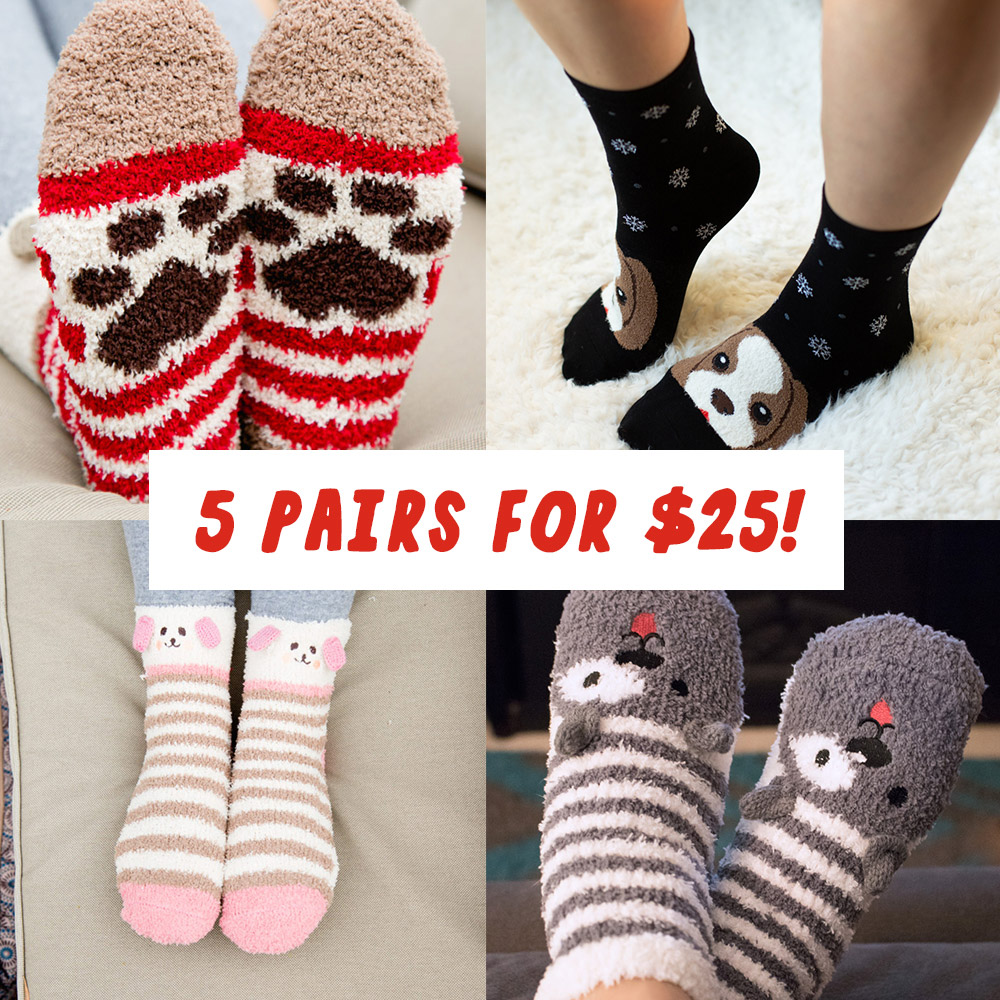
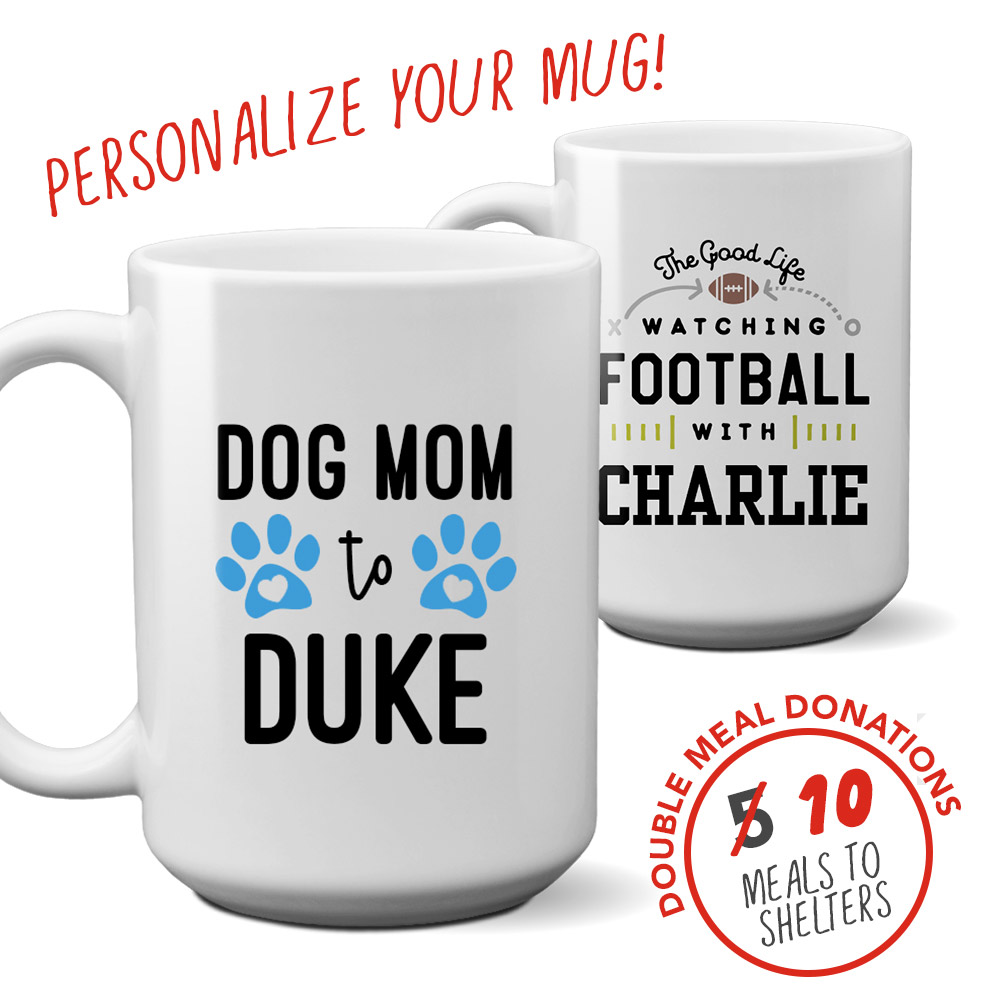
Here are iHeartDogs, we like deals as much as anyone.

However, its become our tradition each Black Friday and Cyber Monday to offer a different kind of deal to our customers: a deal that helps shelter dogs!

That’s why each year we DOUBLE the normal amount of meals we donate with each purchase. Every product make TWICE the impact! Check out all the new products we made for you this year below!

Shop for Shelters


The post 11 Cyber Monday Deals Your Dog Wants You To Click On! appeared first on iHeartDogs.com.


via Whisker Therapy

Police in Marblehead, Ohio, have welcomed an unusual K9 into their department. Police work isn’t limited to any one breed, but light as a feather, Zorro isn’t taking down perps any time soon. Still, he has an important job around the Marblehead Police Department, and his fellow officers are thankful for him!

Police Chief Casey Joy tells WCPO Cincinnati that he felt moved to adopt a dog after learning that many were homeless after Hurricane Florence. The family already has another dog, who detects seizures for the police chief’s son. They brought Zorro, a 4-month-old Chihuahua mix home, and he has made a positive impact not only on the family, but on the community as well!

Zorro was sworn in as a mascot and reserve officer for the Marblehead Police Department shortly after his adoption. For now, his duties include riding along with Chief Joy on patrols and lifting spirits wherever he goes! He wears his very own uniform, which was donated by a Marblehead business owner and is just his size. Like any good dog, he gives both police and public a reason to smile and relax.

“He makes everyone that comes into the police department a much happier person than when they came in – generally – and just bring positivity to the residents that we serve.”

Chief Joy hopes that Zorro will someday be able to spread more happiness as a therapy dog. The plan is to visit nursing homes, hospitals, and other places together in the future, once Zorro has completed his training.

H/T: WCPO.com
Featured Photo: Marblehead Police/Facebook

The post Tiny Chihuahua K9 Joins Ohio Police Force appeared first on iHeartDogs.com.


via Whisker Therapy

Contact Form

Name

Email *

Message *

Theme images by Storman. Powered by Blogger.