Latest Post

Is your dog trying to tell you something?

According to Dr. Gary Richter, one of the top veterinarians in the world, many dogs are at risk of serious health issues…but their owners may be missing the warning signs.

“It’s an epidemic. Over half of all dogs over 10 years old will get cancer,” says Dr. Richter. “Even young dogs are at risk. And it’s pretty much all due to one thing: Food.”


via Whisker Therapy

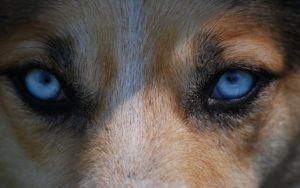
If eyes are the windows to the soul, then dogs leave their windows wide open! The joy and excitement we read in those perfect peepers is infectious and one of the many reasons we love them so darn much.

Keep those gorgeous, expressive, soulful eyes clear and healthy by following these 5 tips!

1. Keep ‘Em Clean

Dogs’ eyes produce watery and mucousy discharge that can be perfectly normal. But unlike us, their eyes are surrounded by hair that can trap this discharge – not to mention dirt and environmental debris! For most short haired dogs, a cotton ball and a bit of eye flush is all you need to keep peepers clean. However, longer haired dogs and those with chronic eye conditions should be groomed regularly to prevent matting and excess build-up.

2. Give Foods That Promote Eye Health

Animal Wellness Magazine lists 10 nutritious foods that help promote healthy eyes and vision. Dogs love to snack on these super foods as a wholesome alternative to processed treats!

  1. Blueberries – Contain two very important eye healthy carotenoids – lutein and zeaxanthin, plus nutrients that support night vision, prevent macular degeneration and even reduce eye fatigue!
  2. Broccoli – A great source of lutein and zeaxanthin, that’s also packed with beta-carotene.
  3. Carrots – Contain pro-vitamin A, betacarotene, vitamins B, C, D, E and K, riboflavin, niacin, calcium, potassium, phosphorus, sodium, iron, magnesium, manganese, sulphur, copper, iodine, lycopene and lutein!
  4. Cold Water Fish – Salmon, tuna, cod and krill are high in EPA and DHA, two Omega-3s important to cellular health. Supplements made from high quality fish or krill oil such as Project Paws’ Omega 3-6-9 Select Chews are a tasty way to give your pup the EPA and DHA their eyes need.
  5. Eggs – Egg yolks contain lutein which reduces risk of developing macular degeneration.
  6. Garlic – Important in the production of glutathione, an important protein that acts as an antioxidant for the lens of the eye.
  7. Kale – An excellent source of lutein, zeaxanthin and betacarotene.
  8. Pumpkin – Packed with carotenoids such as beta-carotene, which help neutralize free radicals.
  9. Sweet Potatoes – Packed with betacarotene, plus anthocyanins that have antioxidant and anti-inflammatory properties.
  10. Tomatoes – Contain two eye-healthy nutrients – lycopene and lutein, that act as antioxidants and protect the eyes from sun damage.

3. Heads INSIDE The Car!

It may look cute and your pup may love it, but dogs that ride with their heads out the car window are exposed to ocular dryness and debris caused by heavy winds. Plus, it can be dangerous!

4. Know The Issues Your Breed Is Prone To

Certain breeds are predisposed to conditions of the eye. For example, bulldogs and mastiffs are prone to entropion – a condition where the eyelids roll inward and rub painfully against the cornea. Be sure to research any conditions or diseases that your dog may be predisposed to so you know exactly what to watch for!

5. Don’t Ignore The Signs Of Disease Or Injury

If you DO notice anything concerning about your pup’s eyes, whether it be excess tearing, colored discharge, lumps or bumps, redness, swelling, etc – see your vet immediately! Many serious conditions of the eyes are degenerative and can progress quickly without treatment. When it comes to your dog’s beautiful eyes, it is always better to be safe than sorry!


via Whisker Therapy

The city of Soledad de Graciano Sanchez, Mexico is taking steps to ensure the health and wellbeing of it’s animals in 2019. And not just the pets kept in homes, but the strays that wander its streets, too!

According to local officials, there are an estimated 300,000 stray dogs roaming the city that are in need of basic care. Instead of looking the other way, the city government is working hand-in-hand with it’s dog-loving citizens to provide for these homeless dogs.

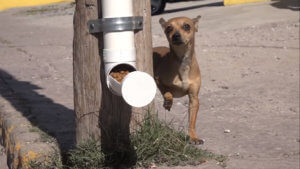
One of the first initiatives taken by the city this year is a program called “ComeDog.” Together with the local citizens’ response group Respuesta Ciudadana, City Hall placed 15 food dispensers in public areas where dogs with empty bellies can find a free meal and clean water. The dispensers are made of simple PVC pipe and filled with dry food donated mostly by the people of the city. Respuesta Ciudadana will be in charge of making sure the dispensers are filled regularly and offering a friendly hand to the dogs they meet there.

Mayor Gilberto Hernandez Villafuente stressed the importance of the cooperation of the people in providing a safe, caring environment for strays,

“Today I realize how many people appreciate this program, we have been congratulated by different means and, well, I am going to ask you to participate and help us to have a very successful refuge.”

The city has also introduced an ambulance that will offer care to both street dogs and local pets. Unveiled just last week, Ambudog is Mexico’s first ambulance dedicated to the care of animals. Veterinarians with Ambudog are offering free healthcare to the city’s cats and dogs, whether they live in a home or wander the streets. This includes vaccinations and spay/neuter services that will hopefully put an end to pet homelessness in the future. Hoping to end the spread of deadly diseases among street dogs, Dolores Elisa García Román, Director of Municipal Services Soledad de Graciano Sánchez says,

“There is an infectious picture when the puppy is born and if a month and a half is not vaccinated mainly by distemper or parvovirus, there is a contagion, both in people and animals, then this ambulance will be taken to all the suburbs to attend to all the puppies.”

These two programs are only the beginning of a trend that officials in Soledad de Graciano Sanchez hope will eventually lead to a brighter future for Mexico’s dogs. Ideally all these dogs will be provided with shelter, food, and love in the near future – each in a home of their own!

Other cities in Mexico are already considering following Soledad’s example by introducing similar programs to work for the benefit of their homeless animals.

H/T: CN13.tv
Featured Photo: CN13.tv/screenshot


via Whisker Therapy

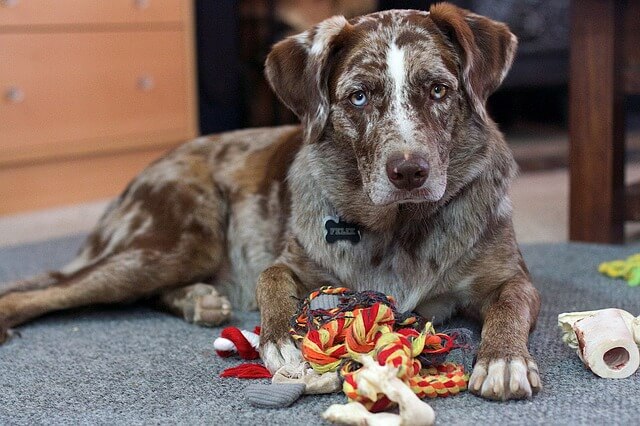
Buying dog toys seems super simple. You pick out something, remove packaging, give it to your dog and you’re done. But managing your dog’s playtime, including which toys you choose for him, can directly affect his quality of life – and yours! If you’re making any of the following common dog toy mistakes, know that changing up even one of these things can make a big difference for you both.

 1. Not Replacing Worn-Out Toys

We don’t ask our dogs to be gentle with their toys, because it’s just not going to happen. Dog toys are made to be chewed and can withstand a lot, but no matter how well-made and durable a toy is, eventually it’s going to give out. Worn-out toys break down into worn-out pieces that your dog can choke on or swallow. The moment you spot a toy that looks like it’s nearing the end, put it in the garbage and treat your dog to something new. A new toy will be a lot cheaper than a trip to the vet.

 2. Buying The Wrong Size

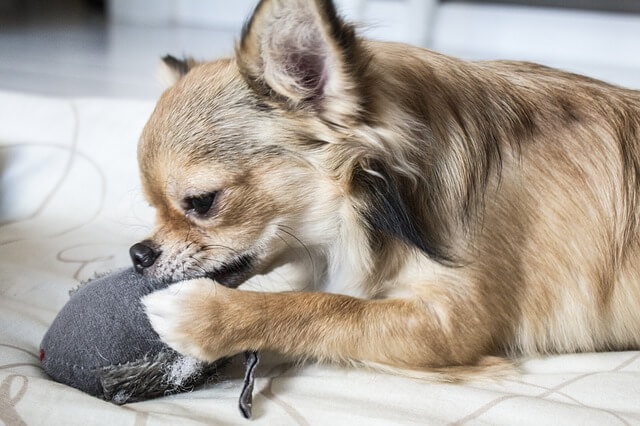
You have probably seen toys on the shelf that come in different sizes. They may even have recommended size ranges on the labels. These are important – you can’t expect your tiny-mouthed Chihuahua to be able to chew a toy made for a much larger breed. And don’t give your big dog a toy made for a smaller pup – these can easily slip into the back of his mouth and obstruct his breathing. Your dog is going to enjoy toys made for his own size the best – and they’ll be safer for him, too.

 3. Not Rotating Your Dog’s Toys

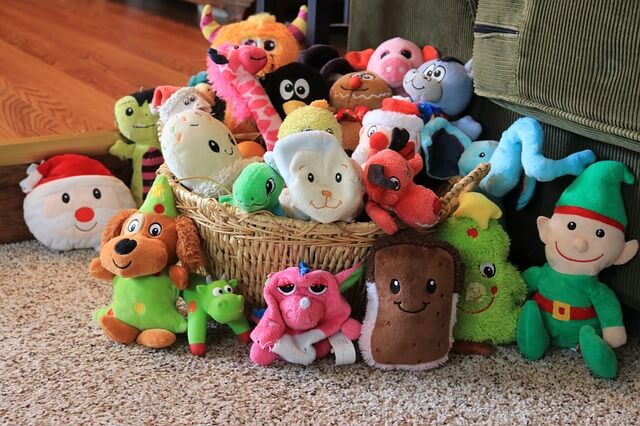
Your dog can get bored playing with the same toys over and over again. Even if he has a whole room full of toys, he can get tired of them all. Rotating toys is a great way to treat your dog without spending any more money. Only allow him to have a few toys at a time, and when he seems bored, take the ones he has, clean them up, and put them away for later. Give him toys you were storing and no matter how many times he’s seen those toys before, it’ll be like they’re brand new! You can throw a new toy into the mix every now and then, but rotating will help toys last a little longer and keep your pup interested in the ones he already has.

 4. Not Using Dual-Purpose Toys

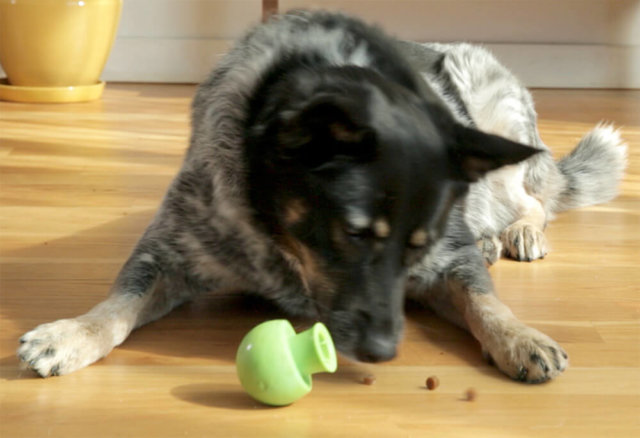
The primary purpose of any toy is to entertain your dog. Many toys are made to do only that, but others serve a second purpose. Toys can be used to make many mundane or unpleasant things fun. They can slow down eating (which can help if you have a gassy dog,) or even make tooth brushing fun. It’s likely that your dog has a ball, which is great for exercising his body – but a ball (like this one) with an unusual shape can exercise his mind, too as he tries to figure out which way it’s going to bounce next!

 5. Not Buying Toys Your Dog Enjoys

Dogs are just as unique as people, and have preferences the way we do. Pay attention to what your pet likes. Some dogs prefer toys that squeak, others like soft toys with faces, some want toys that are can be chewed all day and not break. Some dogs won’t even bother with toys they don’t enjoy. There’s no point buying your dog a million toys if they’re all things he doesn’t want to play with.

Toys are an important part of your dog’s physical and mental well-being. Be sure to keep him happily playing by avoiding these mistakes!


via Whisker Therapy

Congratulations, it’s a girl!

When welcoming a new puppy or adult dog into your home there are many things to consider. One of the first – and most fun – is deciding on the perfect name.

There are countless female dog names out there which can make it difficult to choose the right one. Luckily, we have 500 suggestions for you!

Before you dive into our list of female dog names, it may help to observe your pup’s personality and appearance. Consider matching your dog’s name to her looks by choosing a monicker like Blondie, Foxy, Ginger, Goldie or Sandy.

Coco, Hershey, Mocha, Brownie, Cinnamon, Honey and Oreo are also names that describe a dog’s appearance – with an added pinch of sweetness! If you like the idea of a sugary name to match your girl’s sweet personality, you could also choose Candy, Cookie, Muffin, Snickers or Twinkie.

For something on the healthier side, how about Cherry, Mango, Kiwi or Peaches?

Is your new pup a bit of a diva? Female dog names like Buffy, Chanel, Duchess, Fancy, Fifi, Princess, and Precious are excellent choices to convey her high class status.

When searching for an ultra-feminine female dog name, consider taking inspiration from your favorite flower. Blossom, Daisy, Lily, Poppy, Rose and Violet are cute, classic and very girly.

If you still can’t decide, perhaps you’ll find inspiration in your chosen hobbies. Those who love to travel might want to name their female dog after their favorite destination. Brooklyn, Dakota, Charlotte, Cheyenne, Georgia, Kona, Virginia, London and Paris are all lovely choices.

Can’t pick a favorite? How about Journey to express your love of the open road?

You love your dog like she’s your child, so why not choose a top trending baby name? If Aubrey, Harper, Harlow, MacKenzie, Madison, Paisley and Sophia are good enough for the humans, they may also work for your new pup.

Fins all these names and hundreds more below!

500 Top Female Dog Names:

Abby Ada
Addie Adelaide
Adeline Adelyn
Adriana Agatha
Agnes Alexia
Alexis Alice
Allie Alyssa
Amari Amber
Amelia Amelie
Amina Angel
Angelica Angie
Annabell Annie
Anya Ariel
Ashley Asia
Aspen Athena
Aubrey Autumn
Ava Avery
Baby Bailey
Bambi Basil
Bea Bean
Bella Bertha
Bessie Betsy
Betty Bianca
Billie Bindi
Birdie Biscuit
Blair Blakely
Blanche Blondie
Blossom Bonnie
Brandy Brielle
Brooklyn Brownie
Brynn Buffy
Cadence Callie
Cameron Camilia
Camille Candy
Carla Carly
Carmela Carmen
Carolina Carolyn
Casey Cassie
Cecelia Chance
Chanel Charlie
Charlotte Cher
Cherry Cheyenne
Chica Chloe
Cinnamon Clara
Clarissa Clementine
Cleo Clover
Coco Cookie
Cora Coraline
Courtney Cricket
Crystal Daisy
Dakota Dallas
Dana Daphne
Darla Darlene
Delia Delilah
Demi Destiny
Diamond Diva
Dixie Dolly
Dolores Dora
Dorothy Dory
Dot Dottie
Duchess Eden
Edie Edith
Effie Electra
Elena Eliza
Ella Ellie
Eloise Elsa
Elsie Ember
Emery Emma
Emmy Enid
Erin Esmerelda
Estelle Esther
Etta Eudora
Eva Evelyn
Evie Faith
Fancy Fannie
Fantasia Faye
Felecity Fern
Fifi Fiona
Flo Foxy
Frances Frida
Gabby Gemma
Genesis Geneva
Georgia Geraldine
Gia Gidget
Gigi Ginger
Giselle Gloria
Goldie Grace
Greta Gretchen
Gwen Gypsy
Hadley Haley
Halle Hallie
Hannah Harley
Harlow Harper
Harriet Hattie
Haven Hazel
Heidi Henley
Hershey Holly
Honey Hope
Ibby Ida
Imani Indigo
Inez Ingrid
Irene Iris
Isabella Isla
Ivory Ivy
Izzy Jackie
Jada Jade
Jamie Jane
Janelle Jasmine
Jenna Jersey
Jessie Jewel
Joan Jolene
Jordan Josie
Journey Joy
Juliet June
Juno Justice
Kali Kallie
Kamila Karina
Karla Karma
Kate Kay
Kayla Kelly
Kelsey Kendall
Kennedy Kenya
Kiara Kiki
Kimmie Kinley
Kinsley Kira
Kiwi Koko
Kona Lacy
Lady Laika
Laney Lassie
Layla Leia
Lena Leona
Leslie Lexy
Liana Libby
Liberty Lila
Lily Liv
Lizzy Lois
Lola London
Lorelai Loretta
Lorraine Louise
Lovely Lucia
Lucille Lucinda
Lucky Lucy
Lula Lulu
Luna Lydia
Lyla Lyric
Mabel Mackenzie
Macy Maddie
Madeline Madison
Mae Maeve
Maggie Maisie
Makayla Malia
Mallory Mandy
Mango Maple
Mara Margaret
Margot Marianna
Marilyn Mary
Matilda Maude
Maya Mazie
Mckenna Megan
Melina Melody
Mia Mika
Mila Miley
Millie Mimi
Minnie Miranda
Miriam Missy
Mitzi Mocha
Molly Morgan
Moxie Muffin
Mya Myra
Nadia Nala
Nanette Naomi
Nell Nellie
Nettie Nia
Nikita Nikki
Nina Noel
Nola Nora
Nori Norma
Nova Odessa
Olive Olivia
Opal Oreo
Paige Paisley
Pandora Paris
Parker Patsy
Payton Peach
Peaches Peanut
Pearl Pebbles
Peggy Penelope
Penny Pepper
Perdia Phoenix
Phoebe Piper
Pippa Pippy
Pixie Polly
Poppy Portia
Precious Princess
Priscilla Pumpkin
Queen Quinn
Raven Reese
Regina Remy
Riley Rio
Rita River
Rosalie Rose
Rosemary Rosie
Rowan Roxy
Ruby Ruth
Ruthie Rylie
Sadie Sage
Sally Sam
Sammie Sandy
Sasha Sassy
Savannah Sawyer
Scarlet Scout
Selena Selma
Serena Serenity
Shadow Sheba
Shelby Shiloh
Shirley Sienna
Sierra Silvia
Sissy Siti
Skye Skylar
Smokey Snickers
Snookie Snowball
Sookie Sophia
Star Starla
Stella Storm
Sue Sugar
Suki Summer
Sunny Susannah
Susie Sweetie
Sydney Sylvia
Tabitha Talia
Taylor Tessa
Thea Theo
Tiana Tilly
Tootsie Trixie
Trudy Twinkie
Ursula Valentine
Valeria Velma
Venus Vera
Victoria Viola
Violet Virginia
Vivi Vivienne
Vixen Whitney
Wiggles Willa
Willow Winifred
Winnie Winter
Wren Xena
Yasmin Yvonne
Zara Zelda
Zia Zoe
Zola Zuri


H/T to Puppy Leaks


via Whisker Therapy

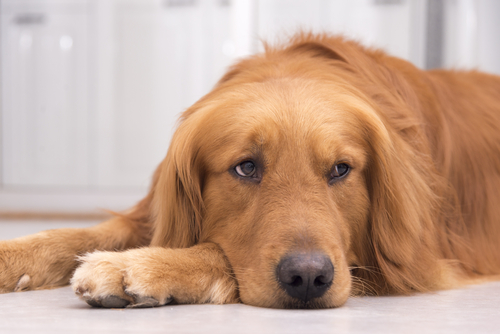
When your beloved pooch comes down with a bout of diarrhea, it can certainly make life miserable for both of you. Many mild cases of diarrhea may resolve on their own, but others may be indicative of a more serious condition that requires treatment by your vet.

If diarrhea lasts longer than 24 hours, is accompanied by additional worrisome symptoms such as a change in behavior, lethargy, vomiting, or reduced appetite; or if the diarrhea is black, tarry, or contains large amounts of blood, you should schedule an appointment with your veterinarian as soon as possible. Very young or old dogs, or dogs with pre-existing health conditions, should always be seen for cases of diarrhea — they’re much more likely to develop complications.

Wondering why your pup is suffering from belly troubles, and what you should do about it? Here are the top 10 causes of diarrhea in dogs.
#1 Viruses

Gastrointestinal viruses are most commonly seen in puppies and young dogs, but can affect dogs of any age. Viruses are generally passed to your dog through direct contact with a sick animal or from contaminated fecal material.

Many viruses are mild and will resolve on their own, however serious infections like parvovirus are a life-threatening emergency and need to be treated as such. Dogs with parvovirus can often be identified by their frequent severe bloody diarrhea, loss of appetite, lethargy, and fever. If your dog is not vaccinated for parvovirus and exhibiting any of the above symptoms, call your veterinarian immediately.


#2 Bacteria

Dogs can acquire bacterial infections by ingesting rotting vegetation or decaying, raw, or undercooked meat. It’s also sometimes possible for them to pick up bacteria from affected dogs. Most healthy adult dogs can fight off harmful bacteria on their own, however immunocompromised or stressed animals are more vulnerable to overgrowth and infection.

With bacterial infections, you may notice diarrhea with small streaks of blood or mucus on the surface, large amounts of watery stools, excessive flatulence, or abdominal discomfort. Antibiotics and IV fluids are sometimes required for severe infections, while others may be treated with probiotics and dietary management.
#3 Parasites

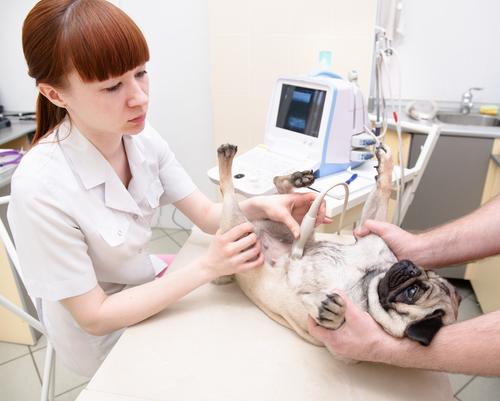
It’s quite common for dogs to pick up parasites from contaminated food, water, or feces.

Some of the most common parasites, like giardia, are known to cause diarrheaand can leave your pup feeling pretty miserable.

If your dog’s diarrhea is accompanied by coughing, weight loss, vomiting, a distended belly, or changes in coat, a parasite may be to blame. You may also be able to see the parasite itself in your dog’s stool or around their anal area, as in the case with tapeworms — they’ll look like tiny grains of white rice. Your veterinarian will need to analyze a fresh fecal sample to determine the exact parasite you’re dealing with, however. Thankfully, parasites are generally easy to treat; but prevention with a monthly treatment may be your best bet since some parasites can be passed on to human family members.


#4 Food intolerance

Additives or certain products in your dog’s diet may not agree with them, leading to an upset belly or diarrhea. Keep in mind that food intolerances are not the same as a food allergy; most food allergies show up as chronic skin ailments, such as itching, hair loss, or ear infections rather than gastrointestinal issues. If you think your dog’s food may be causing their belly trouble, you may want to try an elimination diet under the supervision of your veterinarian.

Sometimes the culprit isn’t your dog’s actual food; Dogs that get a hold of table scraps or other “people food” that they cannot properly digest can end up with gastrointestinal problems as well. If a dog ingests something extremely high in fat, they run the risk of developing pancreatitis — a serious and sometimes fatal digestive condition that needs to be treated immediately. Signs of pancreatitis include diarrhea, frequent vomiting, a painful or distended abdomen, weakness, and loss of appetite. To be safe, keep table scraps off limits.
#5 Food changes

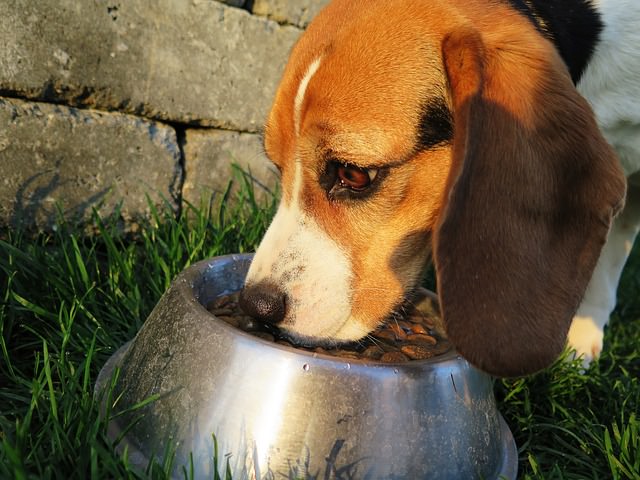
Dogs don’t generally tolerate sudden food changes well, which is why it is generally recommended that you transition them gradually over a period of days or even weeks. If you’ve recently switched foods or added new treats to your dog’s diet, that alone could cause diarrhea.

Tip: If you need to change your dog’s food quickly due to a food recall or other emergency, try small, frequent meals with a formula containing similar ingredients. Your pup will likely have fewer belly troubles if you can also keep the percentages of protein, fat, and fiber comparable to that of their previous diet.


#6 Medication

Some medications, especially antibiotics, are known to cause diarrhea. While antibiotics are wonderful at doing their job of killing unwanted bacteria, they target and eliminate the good bacteria in your pup’s digestive tract as well. This imbalance disrupts the normal functioning of the intestines, often leading to diarrhea. Probiotic supplements (good bacteria) are often prescribed along with antibiotics to replenish the gut, and may prevent or even stop digestive troubles.
#7 Stress

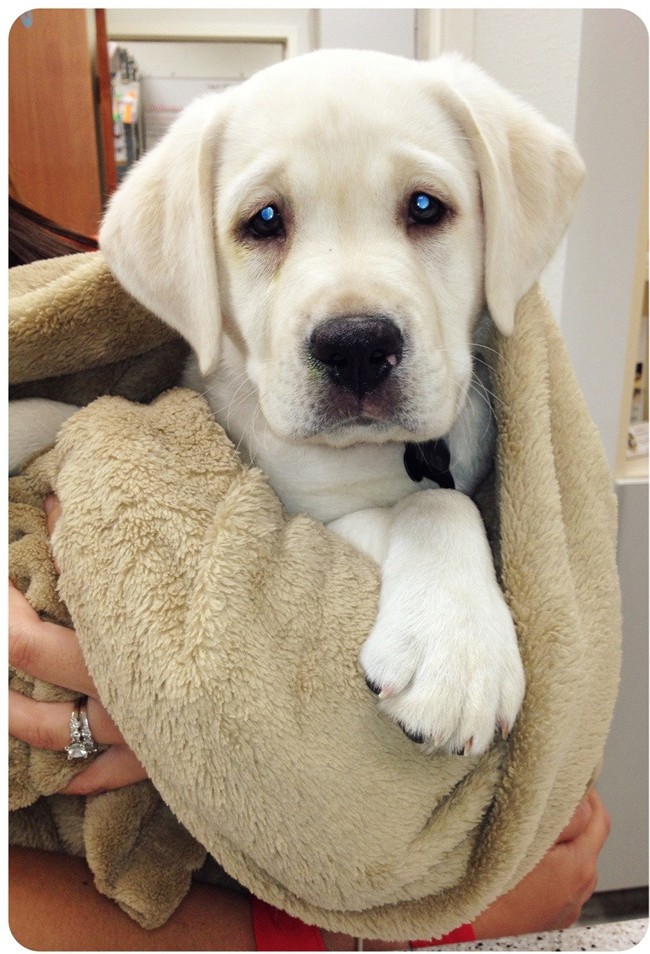
Some dogs will develop diarrhea when exposed to a stressful event, such as a sudden change in routine or environment (i.e., moving or boarding). Stress and anxiety trigger the release of “fight or flight” hormones which make the intestines contract more frequently, resulting in diarrhea. Diarrhea caused by stress generally resolves on its own after the cause of anxiety is eliminated.

Chronic diarrhea appears to occur more frequently in nervous pups; In a Virginia-Maryland College of Veterinary Medicine study by Dr. Michael Leib, it was noted that in the absence of pathogens, environmental stressors and “nervous and high-strung” personalities seemed to be a contributing factor to episodes of diarrhea.


#8 Toxic substances

Unfortunately, many dogs are indiscriminate about what they put in their mouths, and can inadvertently ingest toxic substances. Common toxins that may cause diarrhea include household plants, fertilizer, and foods like xylitol, chocolate, and raisins. If your dog tends to get into things around the house and yard, or if they’re showing signs other than diarrhea such as restlessness, rapid breathing, confusion, or staggering, toxins may be to blame — call your vet immediately.
#9 Obstructions

Some dogs aren’t satisfied just chewing on their toys (or your favorite pair of shoes) — they have to eat them, too. While smaller objects often pass through unnoticed, others can become lodged in the digestive tract. Diarrhea is sometimes a sign of such an obstruction; generally, it will be accompanied by vomiting, straining to defecate, abdominal tenderness, and changes in behavior (like growling when handled). The only way to know if your dog has an obstruction is for your vet to look at an X-ray of their abdomen, so be sure to contact your vet if you suspect your pooch may chowed down on anything suspicious.


#10 Conditions that affect the GI tract

Your dog’s gastrointestinal tract works with the help of a variety of other organs and systems, and diseases that you may consider unrelated to digestion can actually have a huge impact on their gut health.

Some cancers, or conditions affecting the pancreas, liver or thyroid may cause diarrhea in some dogs. If diarrhea is related to another condition, your dog will generally show signs other than diarrhea, including repeated vomiting, weight loss, painful of distended abdomen, loss of appetite, weakness, or fever, among other things. If your veterinarian suspects this may be the case, they’ll want to see your pup for a workup.
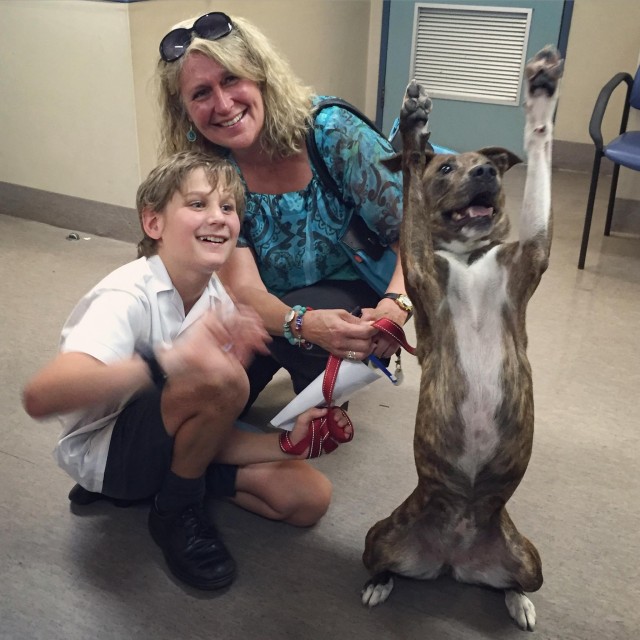
What can you do to help improve your dog’s mild case of diarrhea?

If your dog’s diarrhea is occurring without any other symptoms, and is not frequent or severe, you can try offering smaller, more frequent easily digestible meals; this includes diets high in carbohydrates with low fiber, lean protein and minimal fat. It’s also important to give them access to fresh water to replenish the fluids they’ve lost.

To give their GI tract a boost, you may also want to offer probiotics. In a Colorado State University’s College of Veterinary Medicine study researchers showed that shelter pets given a probiotic had significantly fewer incidences of diarrhea (13% less!) than their untreated counterparts. Your veterinarian will likely recommend a probiotic formulated specifically for dogs, so be sure to check with them before making any purchases.

If the diarrhea doesn’t resolve or start improving after 24 hours, it’s time to call your vet.


via Whisker Therapy

Contact Form

Name

Email *

Message *

Theme images by Storman. Powered by Blogger.