Latest Post
5 Key Benefits of Probiotics For Dogs

Good gut health is imperative to your four-legged friend’s overall health.
After all, a dog’s immune system, or “gut” (stomach, colon and intestines), is responsible for preventing toxins and bad bacteria from entering the bloodstream, as well as making sure that valuable nutrients from the food they eat is properly absorbed.
What are probiotics?
Probiotics are nutrients that help to balance out the live bacteria in your dog’s intestines and keep their gut healthy. All people and animals have bacteria living in their digestive tract; and while some of it is good bacteria, and some of it not so good, probiotics work to ensure there is enough good bacteria in there to keep a healthy balance.

Are probiotics necessary to keep your pooch fighting fit?
Here we look at the benefits of giving your dog probiotics regularly:
Improved skin and hair
This is more of an ancillary benefit rather than a direct one, but taking probiotics can give your dog a healthier and shinier looking coat.
By improving the bacterial balance in the gut, your dog’s entire body will benefit.
Your dog will be less prone to disease and skin problems, and that will translate to a nicer looking coat and healthier skin. Many skin and hair problems that dogs face are a direct result of digestive and nutritional issues, and much of that is prevented using probiotics.
Reduces mood disorders
If you have noticed your dog being moody and not feeling like itself recently, then you may want to consider using probiotics as a treatment.
Many times, changes in mood and odd behaviors are a result of poor nutrition and digestive issues. If your dog isn’t feeling well because of stomach problems, then it likely won’t act like itself. Your dog will be more irritable or less likely to want to play and be active when its stomach is churning and tied up in knots. Probiotics can take care of a lot of that and provide a simple solution to this complex problem.

Boosts the immune system
A gut imbalance means that your dog’s immune system is busy fighting all sorts of digestive bacteria all the time. In other words, it is too busy to fend off smaller attacks like those from microorganisms that cause infection. So with an imbalance of bacteria in the gut, your pup will be sick more often.
It is important to remember that regular deworming of your pet (monthly flea treatment preventives such as Bravecto chews also contain a dewormer) can cause disruption of the normal bacterial environment.
If you choose to give your dog probiotics for this reason, bacteria levels will even out and normalize. Your pooch will be healthier because its immune system will be stronger, able to fight off colds, sinus infections, allergy symptoms and most minor problems. Your dog will also be healthier and less prone to infection and disease, living a longer, fuller life.
Prevents and decreases most gastrointestinal issues
Dogs with a poor gut balance tend to suffer from all sorts of digestive problems. Their colon, stomach and other digestive components can be infested with bad bacteria and prone to infection. This can cause bloating, gas, constipation, indigestion, nausea and other problems related to digestion. Once treated however, the gut balance will restore the digestive system and your dog will feel a whole lot better.
Taking probiotics not only prevents a lot of these kinds of issues, but it also decreases their potency. In other words, if your dog is already suffering from gastrointestinal problems, then it will start to have less severe symptoms after taking probiotics.

Improves bone health
When your dog’s bacteria levels are off kilter, their immune system has to fight to preserve and draw out nutrients. In other words, a lot of the nutritional value from the food your dog eats will be lost because the dog’s body is working so hard to try to use those minerals simply to stay in decent shape. The body will also be unable to absorb and retain minerals very well while it’s struggling with an unhealthy gut balance.
Once your dog starts taking probiotics however, gut balance will improve and more minerals and nutrients can be absorbed from the food your dog eats. Your dog will get more out of its food, and its bones will be healthier as a result. By absorbing more minerals and nutrients, the bone density will increase, and your dog will enjoy stronger, healthier bones that last longer and provide it with more support. This prevents the onset of osteoporosis later in life and prevents a lot of different bone diseases.
Consult your veterinarian if you are considering probiotics
.These are just a few of the different benefits that come from giving your dog probiotics. But before you make any major nutritional change to your dog’s diet, especially if your dog is in poor health, you should consult your veterinarian.
Probiotics can have a powerfully beneficial effect, and you should notice a series of short-term and long-term positive effects from introducing probiotics into your dog;’ diet. Most dogs can handle these supplements quite well and should not experience much in the way of side effects, but it is always worth consulting your veterinarian first.
About the author
Ron Wolf is a content editor at pupjunkies.com – a site for happy, healthy, and adventurous dogs who are fuelled by nature.
The post 5 Key Benefits of Probiotics For Dogs appeared first on TheDogTrainingSecret.com.
via Whisker Therapy
Baby Gifts With A Dog Theme
A reminder of one’s identity

When my first son was born, it came as no surprise to me that my life changed—a lot. What really caught me off guard as quite a shock was how much my identity changed, especially in the eyes of the people around me. There may very well be a sexist component to this because many women are viewed nearly exclusively as moms no matter how involved they stay in their career and the other interests in their lives. Dads are far more likely, in my experience, to continue to be viewed with a respect for all that they do beyond parenting. If other people have had a different experience in this regard, I understand that, but I am speaking about how life has come at me and most of my friends of both genders.
Tags:
via Whisker Therapy
10 Reasons to Fall in Love with a Dog Person
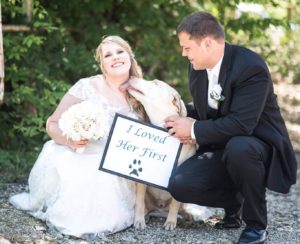
We all joke about not dating someone who our dog doesn’t like, but there is some truth in these words. When someone else enters the picture that does not understand why our dog comes first (or even a close second), it can cause problems. Falling in love with someone who is a dog lover can avoid a lot of fights, heartaches, and frustration.
#1 – Willing to Share the Bed
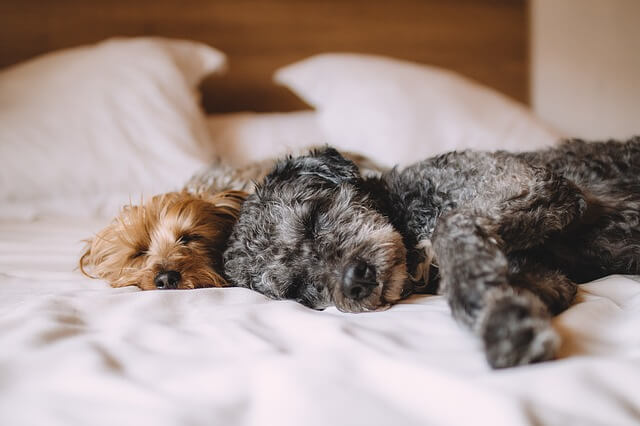
A mutual dog lover will be more likely to not mind sharing the bed with a dog (or two). While not all dog lovers allow this, you still have a better chance than with someone who does not like dogs or is, heaven forbid, allergic.
#2 – Doesn’t Mind Dog Kisses
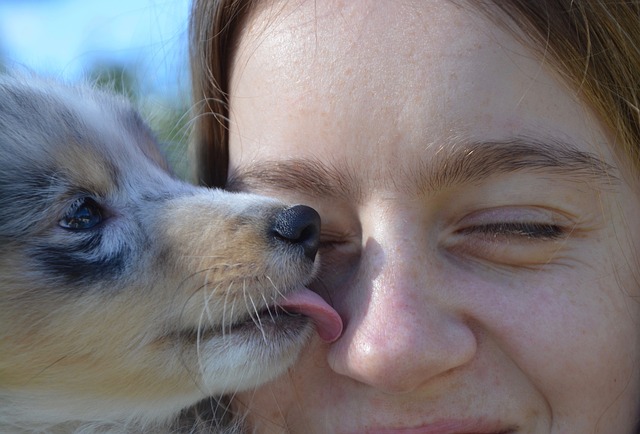
Your dog licks your face and then you want to kiss your significant other. However to a non-dog lover this might just be the grossest thing ever. Avoid this by kissing someone who kisses their own dog too.
#3 – Understands Your Dog Comes First

Breaking a date because your dog is sick or running late at the dog park? A non-dog lover may say he’s “just a dog,” or “you spend more time time with your dog than me.” A dog lover would bring you food so you didn’t have to worry about cooking and caring for your dog or would meet you at the dog park for a romantic evening watching the dogs play.
#4 – Shares Your Passion
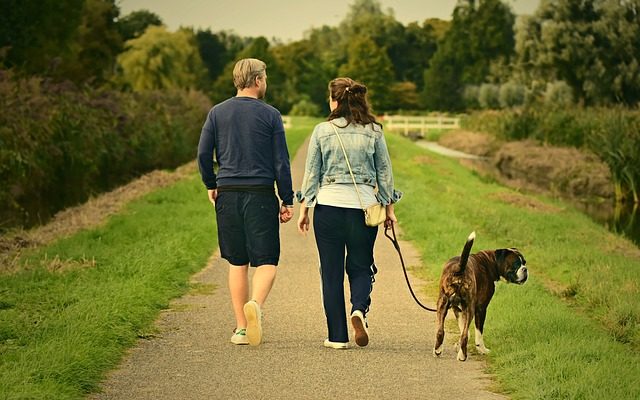
The foundation of a good relationship is sharing interests and passions. If dogs are your passion, why not find someone who loves dogs too? There are plenty of single dog owners out there and they won’t mind going to all those dog events.
#5 – Won’t Complain About Spending

Here are words no dog lover ever wants to hear, “you spend more money on your dog than on me!” Well, yes I do, so what? Another dog lover won’t be as likely to complain about the amount you spend on your dog, or that fact that the dog has more bling that she does.
#6 – Will Let the Dog Come Too

You want to vacation somewhere the dog is welcome. Your significant other wants a “break” from the dog. Avoid this argument by being with someone that only looks at dog-friendly vacations, knowing your first love is coming too.
#7 – Won’t Mind Dog Hair
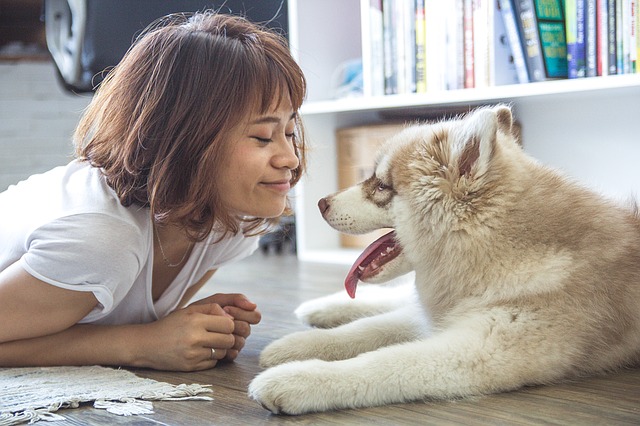
Another dog lover will be okay if you show up for every date with dog hair, in fact she will probably have dog hair on her too. She might even make art out of your dog’s fur!
#8 – Is OK That Your Phone is Full of Dog Pics

Have you ever been asked to see a picture of your new “someone” and had to scroll through 200 images of your dog to finally find the one you took when he was holding your dog? A non-dog lover may start to feel bested by the dog, whereas a fellow dog lover won’t care – their camera roll looks the same.
#9 – Buys Your Dog Gifts
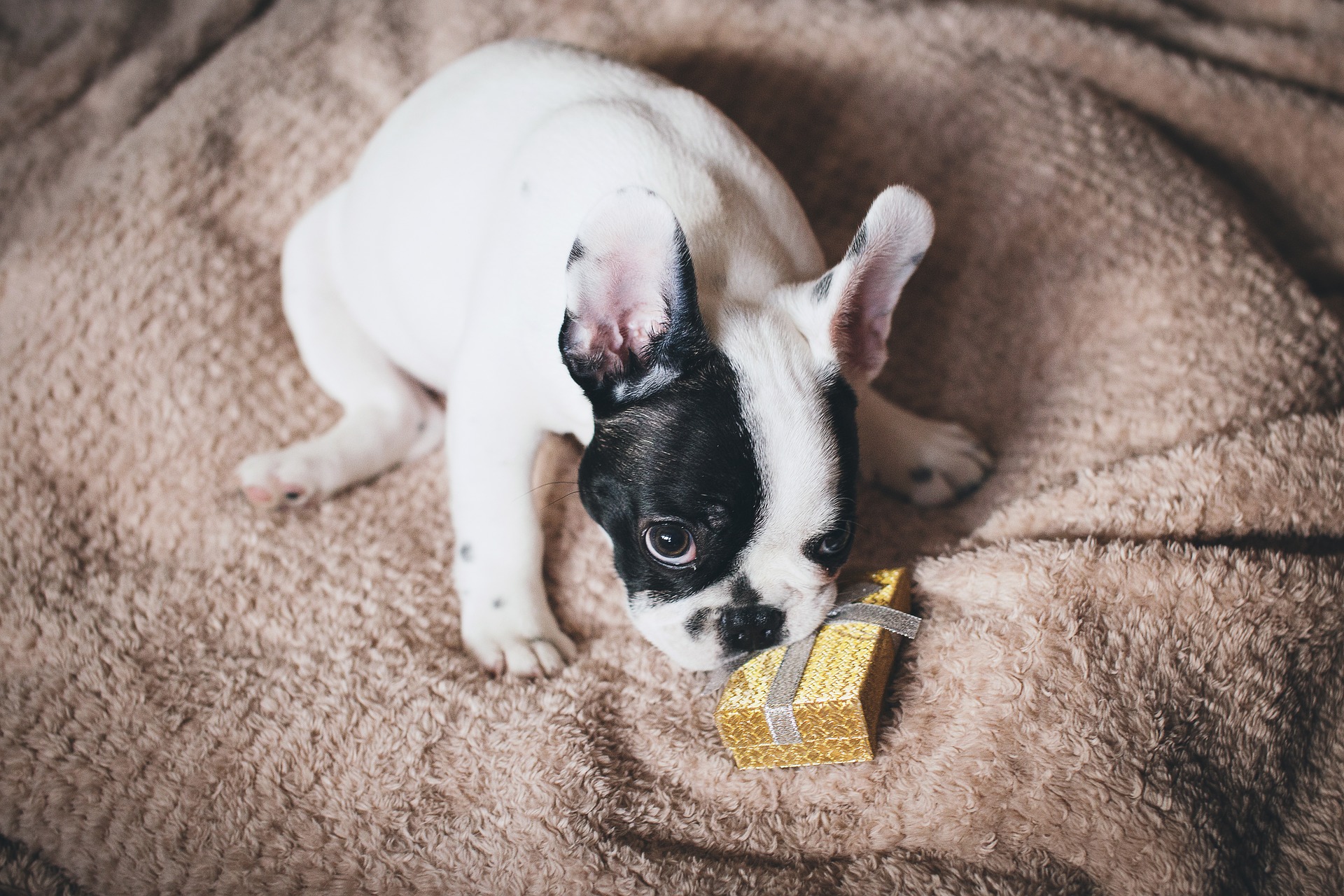
A fellow dog lover will gladly buy your dog a Christmas, birthday, “gotcha” day, a “just because” present without thinking you need your head examined. It may seem silly, but if they get on you every time you want to but your dog something, it will get old fast.
#10 – Willing to Share You
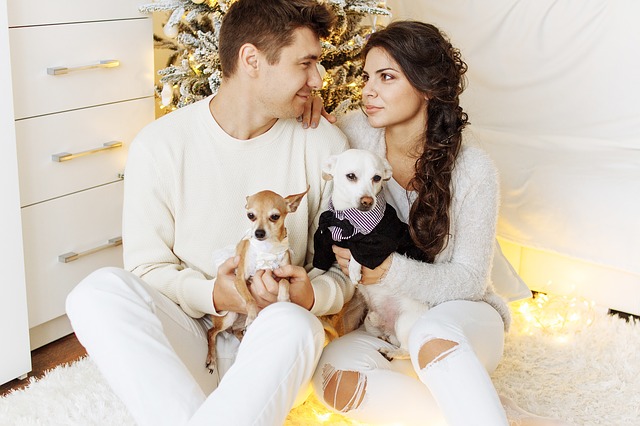
Is your dog used to cuddling with you on the couch? Or expects a 2 minute welcome scratch every time you walk in the door? A non-dog person may not be willing to share you or understand why your dog needs so much attention, but a dog lover will snuggle both of you and be happy about it.
The post 10 Reasons to Fall in Love with a Dog Person appeared first on iHeartDogs.com.
via Whisker Therapy
10 Easy Ways To Stop Your Dog From Begging
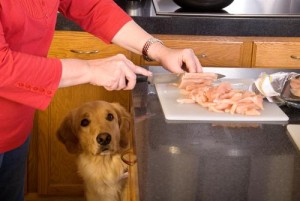
It’s a scene we’ve all been party to a million times or more. The table is set, the family is seated, and as you attempt to take that first bite of the delicious meal you’ve lovingly prepared, you become distracted by a most unwelcome site. Your beloved family dog is seated very nearby, eyeing your food longingly, perhaps with a long string of drool making its slow descent to the floor. Never does your dog sit so still or so quietly as when his gaze is focused squarely on that coveted prize of a hand out.
Begging for food is a very common complaint among dog parents. Perhaps it is a holdover from the early times of domestication when the only way to get food was to patiently wait alongside the humans at the fire. Whatever the reason, it can be highly annoying to everyone in the family and even embarrassing when you have guests. Let’s take a look at 10 ways to get your dog to stop begging.

#1 – Put Him in His Place
We’re not talking about an “oh, snap,” arm circling, finger wagging kind of place putting. Going to his “place” is a legit command that you can teach your dog in a relatively short amount of time. By designating a “place” for your pup, such as his bed or crate, there is somewhere he is expected to go to on command and remain until you release him. Naturally this takes some training but with consistency and practice your dog will pick it up.
Every time you eat, instruct your dog to go to his place and enforce it until you are done. The key is to be consistent. If you do this each and every time humans eat, you may be surprised to see that after a while, your dog automatically goes to his place during meal times.
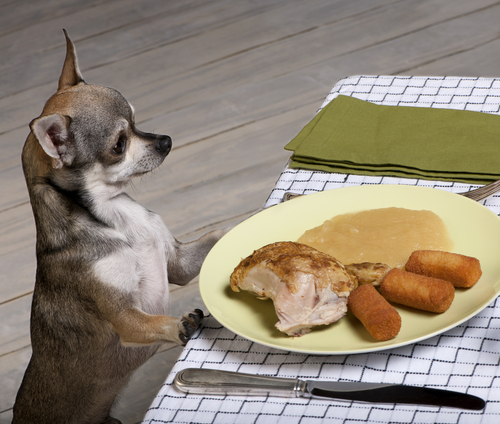
#2 – Don’t Feed from the Table
If you feed your dog from the table, even once, you can expect that nose to be ready and waiting every time after. This is a common mistake that parents make while their dogs are puppies. It’s easy to understand. Puppies are absurdly adorable and hard to resist. You think you can correct the unwanted behavior in time but unfortunately, it’s a hard habit to break. The best way to set yourself up for success is to start off right. From the very beginning, don’t feed your dog from the table.

#3 – Train Your Children
If you have kids, you know this is a tough one. If all of the adults in the house abide by the rule to not feed from the table but the little ones constantly slip her a morsel here and a taste there, your dog will become a beggar, despite the best efforts of those in the house with a fully formed frontal cortex. It can be a painful and frustrating process but you’ve got to train the children not to feed the dog anything, anytime unless specifically given permission to do so.
This is where the “place” command comes in handy. Over time, your child will also become accustomed to the dog being in her place during meals and will stop trying to sneak food to her. With time and practice, your kids and your dog will both have better meal-time manners.
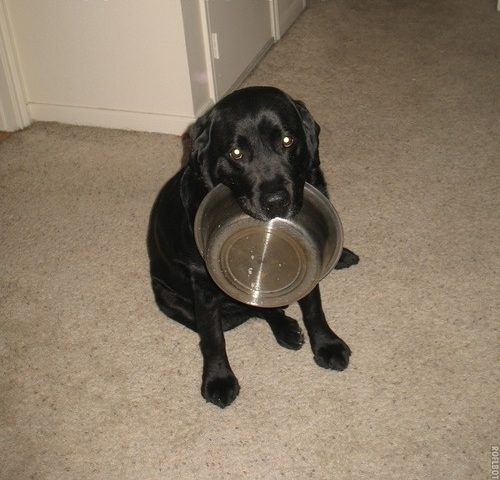
#4 – Feed Your Dog During Meal Times
To discourage begging, feed your dog at the same time that you take your meals. As plates are being set at the dinner table, fill his bowl with dinner, too. Being full and satisfied will make it less likely that he will come looking for scraps. If he finishes first, which he will, instruct him to go to his place, lay down, or simply let him outside for his post-dinner walk about the yard.

#5 – Give Your Dog a Distraction
Meal times offer a great opportunity to offer your dog toys stuffed with treats, a special bone, or a doggie toothbrush. Instead of mealtime being something she longs to participate in, it can be a special time of day for her to do something she doesn’t get to do any other time. The trick here is to onlygive her the special distraction during meals. If she gets it any old time, it won’t be nearly as appealing and she will be lured to the table to resume her bad begging behavior.

#6 – Ignore Your Dog Completely
When you dog is begging, any attention you give him can be reinforcement for the unwanted behavior. Even when you are clearly displeased with him and resort to scolding or yelling, your dog may see that as increasing his chances of getting what he wants. It is much better to completely ignore your dog than to raise your voice. Pretend your dog is not there and eventually, if you are very patient, your dog will get the message and move along. Repeat this at every meal, consistently.
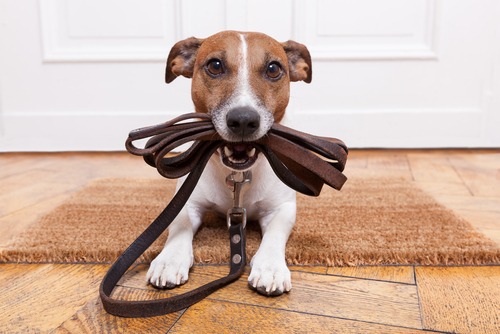
#7 – Tether Your Dog Away from the Table
Using a leash and a fixed object, tether your dog away from the table. This can be a bit bothersome in the beginning as your dog may whine and bark. I know, this is a whole new set of problems to correct. Eventually you may be able to remove the leash with the goal being for your dog to keep his distance without the leash.
#8 – Pre-Meal Playtime or Exercise
Plan to have a vigorous play session or brisk walk before meal times. Throw the ball for 15 minutes of fetch, get down on the floor and play a game of tug, or hit the neighborhood streets for a fast-paced walk around the block. This will tire out your pup and encourage her to sleep soundly while the family enjoys dinner.

#9 – Make Sure Guests Know the Rules
You and your dog may have worked super hard to stop begging. So don’t let all of that effort vanish with a hand out from a well-intentioned but uninformed guest. Politely explain that you’ve been struggling with begging behavior. Let them know you’re finally seeing a change, you’d appreciate your guest not feeding your dog anything.
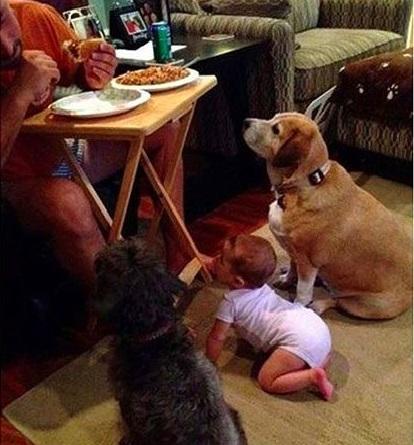
#10 – Don’t Let Your Dog Be the Clean Up Crew
This one is especially difficult to bear for those with young kids who constantly drop food around the table. It’s so much easier to let your furry friend clean up the fallout. It’s so much work to sweep or wipe it up yourself. However, tasting all that yummy food around the table encourages your dog to seek food there again and again. If you don’t want begging, it’s best to bust out the broom.
Dog begging is something that all dog parents contend with at some point. With patient practice, your dog can become the well-mannered pup of your mealtime dreams. Remember, consistency is key!
The post 10 Easy Ways To Stop Your Dog From Begging appeared first on iHeartDogs.com.
via Whisker Therapy
Subscribe to:
Posts (Atom)