Top 10 Reasons Your Dog Has Diarrhea and When to Worry

When your beloved pooch comes down with a bout of diarrhea, it can certainly make life miserable for both of you. Many mild cases of diarrhea may resolve on their own, but others may be indicative of a more serious condition that requires treatment by your vet.
If diarrhea lasts longer than 24 hours, is accompanied by additional worrisome symptoms such as a change in behavior, lethargy, vomiting, or reduced appetite; or if the diarrhea is black, tarry, or contains large amounts of blood, you should schedule an appointment with your veterinarian as soon as possible. Very young or old dogs, or dogs with pre-existing health conditions, should always be seen for cases of diarrhea — they’re much more likely to develop complications.
Wondering why your pup is suffering from belly troubles, and what you should do about it? Here are the top 10 causes of diarrhea in dogs.
#1 Viruses
Gastrointestinal viruses are most commonly seen in puppies and young dogs, but can affect dogs of any age. Viruses are generally passed to your dog through direct contact with a sick animal or from contaminated fecal material.
Many viruses are mild and will resolve on their own, however serious infections like parvovirus are a life-threatening emergency and need to be treated as such. Dogs with parvovirus can often be identified by their frequent severe bloody diarrhea, loss of appetite, lethargy, and fever. If your dog is not vaccinated for parvovirus and exhibiting any of the above symptoms, call your veterinarian immediately.
#2 Bacteria
Dogs can acquire bacterial infections by ingesting rotting vegetation or decaying, raw, or undercooked meat. It’s also sometimes possible for them to pick up bacteria from affected dogs. Most healthy adult dogs can fight off harmful bacteria on their own, however immunocompromised or stressed animals are more vulnerable to overgrowth and infection.
With bacterial infections, you may notice diarrhea with small streaks of blood or mucus on the surface, large amounts of watery stools, excessive flatulence, or abdominal discomfort. Antibiotics and IV fluids are sometimes required for severe infections, while others may be treated with probiotics and dietary management.
#3 Parasites
It’s quite common for dogs to pick up parasites from contaminated food, water, or feces.
Some of the most common parasites, like giardia, are known to cause diarrheaand can leave your pup feeling pretty miserable.
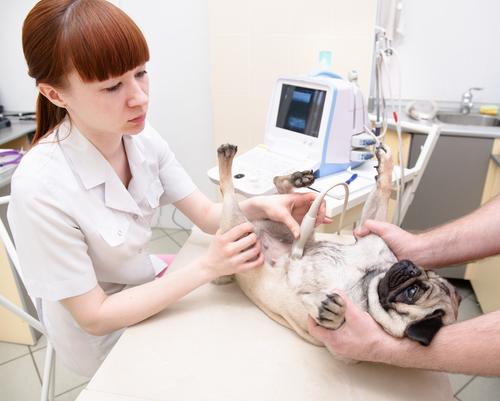
If your dog’s diarrhea is accompanied by coughing, weight loss, vomiting, a distended belly, or changes in coat, a parasite may be to blame. You may also be able to see the parasite itself in your dog’s stool or around their anal area, as in the case with tapeworms — they’ll look like tiny grains of white rice. Your veterinarian will need to analyze a fresh fecal sample to determine the exact parasite you’re dealing with, however. Thankfully, parasites are generally easy to treat; but prevention with a monthly treatment may be your best bet since some parasites can be passed on to human family members.
#4 Food intolerance
Additives or certain products in your dog’s diet may not agree with them, leading to an upset belly or diarrhea. Keep in mind that food intolerances are not the same as a food allergy; most food allergies show up as chronic skin ailments, such as itching, hair loss, or ear infections rather than gastrointestinal issues. If you think your dog’s food may be causing their belly trouble, you may want to try an elimination diet under the supervision of your veterinarian.
Sometimes the culprit isn’t your dog’s actual food; Dogs that get a hold of table scraps or other “people food” that they cannot properly digest can end up with gastrointestinal problems as well. If a dog ingests something extremely high in fat, they run the risk of developing pancreatitis — a serious and sometimes fatal digestive condition that needs to be treated immediately. Signs of pancreatitis include diarrhea, frequent vomiting, a painful or distended abdomen, weakness, and loss of appetite. To be safe, keep table scraps off limits.
#5 Food changes
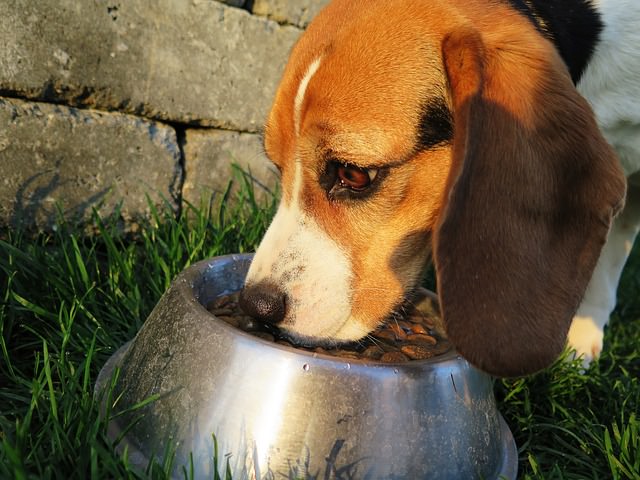
Dogs don’t generally tolerate sudden food changes well, which is why it is generally recommended that you transition them gradually over a period of days or even weeks. If you’ve recently switched foods or added new treats to your dog’s diet, that alone could cause diarrhea.
Tip: If you need to change your dog’s food quickly due to a food recall or other emergency, try small, frequent meals with a formula containing similar ingredients. Your pup will likely have fewer belly troubles if you can also keep the percentages of protein, fat, and fiber comparable to that of their previous diet.
#6 Medication
Some medications, especially antibiotics, are known to cause diarrhea. While antibiotics are wonderful at doing their job of killing unwanted bacteria, they target and eliminate the good bacteria in your pup’s digestive tract as well. This imbalance disrupts the normal functioning of the intestines, often leading to diarrhea. Probiotic supplements (good bacteria) are often prescribed along with antibiotics to replenish the gut, and may prevent or even stop digestive troubles.
#7 Stress
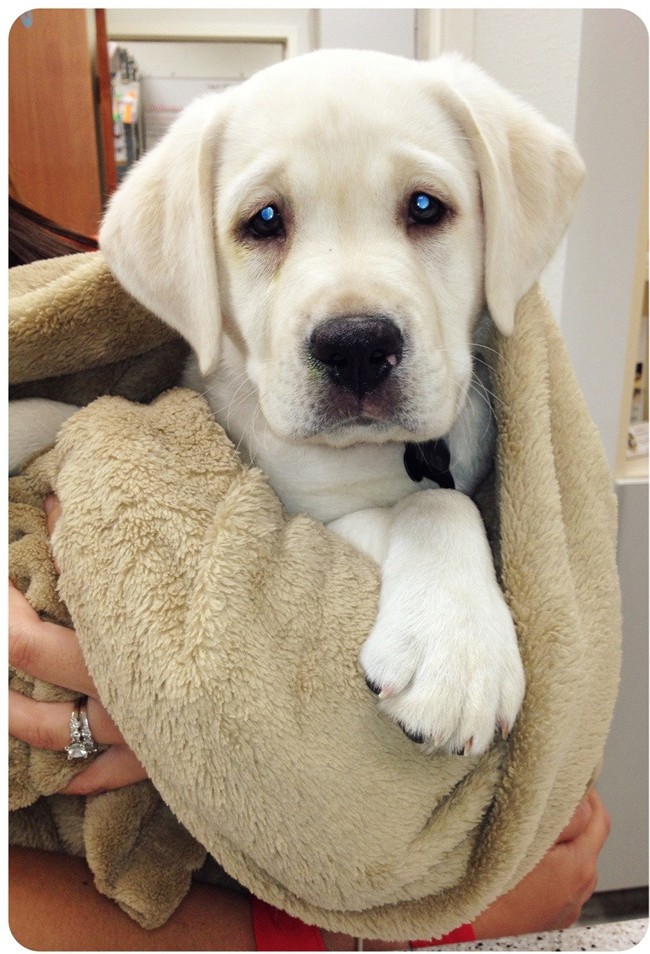
Some dogs will develop diarrhea when exposed to a stressful event, such as a sudden change in routine or environment (i.e., moving or boarding). Stress and anxiety trigger the release of “fight or flight” hormones which make the intestines contract more frequently, resulting in diarrhea. Diarrhea caused by stress generally resolves on its own after the cause of anxiety is eliminated.
Chronic diarrhea appears to occur more frequently in nervous pups; In a Virginia-Maryland College of Veterinary Medicine study by Dr. Michael Leib, it was noted that in the absence of pathogens, environmental stressors and “nervous and high-strung” personalities seemed to be a contributing factor to episodes of diarrhea.
#8 Toxic substances
Unfortunately, many dogs are indiscriminate about what they put in their mouths, and can inadvertently ingest toxic substances. Common toxins that may cause diarrhea include household plants, fertilizer, and foods like xylitol, chocolate, and raisins. If your dog tends to get into things around the house and yard, or if they’re showing signs other than diarrhea such as restlessness, rapid breathing, confusion, or staggering, toxins may be to blame — call your vet immediately.
#9 Obstructions
Some dogs aren’t satisfied just chewing on their toys (or your favorite pair of shoes) — they have to eat them, too. While smaller objects often pass through unnoticed, others can become lodged in the digestive tract. Diarrhea is sometimes a sign of such an obstruction; generally, it will be accompanied by vomiting, straining to defecate, abdominal tenderness, and changes in behavior (like growling when handled). The only way to know if your dog has an obstruction is for your vet to look at an X-ray of their abdomen, so be sure to contact your vet if you suspect your pooch may chowed down on anything suspicious.
#10 Conditions that affect the GI tract
Your dog’s gastrointestinal tract works with the help of a variety of other organs and systems, and diseases that you may consider unrelated to digestion can actually have a huge impact on their gut health.
Some cancers, or conditions affecting the pancreas, liver or thyroid may cause diarrhea in some dogs. If diarrhea is related to another condition, your dog will generally show signs other than diarrhea, including repeated vomiting, weight loss, painful of distended abdomen, loss of appetite, weakness, or fever, among other things. If your veterinarian suspects this may be the case, they’ll want to see your pup for a workup.
What can you do to help improve your dog’s mild case of diarrhea?
If your dog’s diarrhea is occurring without any other symptoms, and is not frequent or severe, you can try offering smaller, more frequent easily digestible meals; this includes diets high in carbohydrates with low fiber, lean protein and minimal fat. It’s also important to give them access to fresh water to replenish the fluids they’ve lost.
To give their GI tract a boost, you may also want to offer probiotics. In a Colorado State University’s College of Veterinary Medicine study researchers showed that shelter pets given a probiotic had significantly fewer incidences of diarrhea (13% less!) than their untreated counterparts. Your veterinarian will likely recommend a probiotic formulated specifically for dogs, so be sure to check with them before making any purchases.
If the diarrhea doesn’t resolve or start improving after 24 hours, it’s time to call your vet.
via Whisker Therapy